Why Aircraft Evacuations Have a 90-Second Benchmark
An aircraft cabin is built around an uncomfortable possibility: after an emergency landing, some exits may be unusable. Fire, smoke, or damage can block a door, so evacuation planning cannot depend on every exit working. The 90-second benchmark tests whether everyone can leave using only the exits that remain available, even with the cabin full.
That limit shapes more than the number of doors. Exit locations, aisle access, floor markings, lighting, and crew procedures all affect how quickly people can find a way out. The test treats the cabin as a system: an exit is useful only if passengers can reach it and move through it without a bottleneck stopping the line behind them.
How the Cabin Turns Into an Escape Route
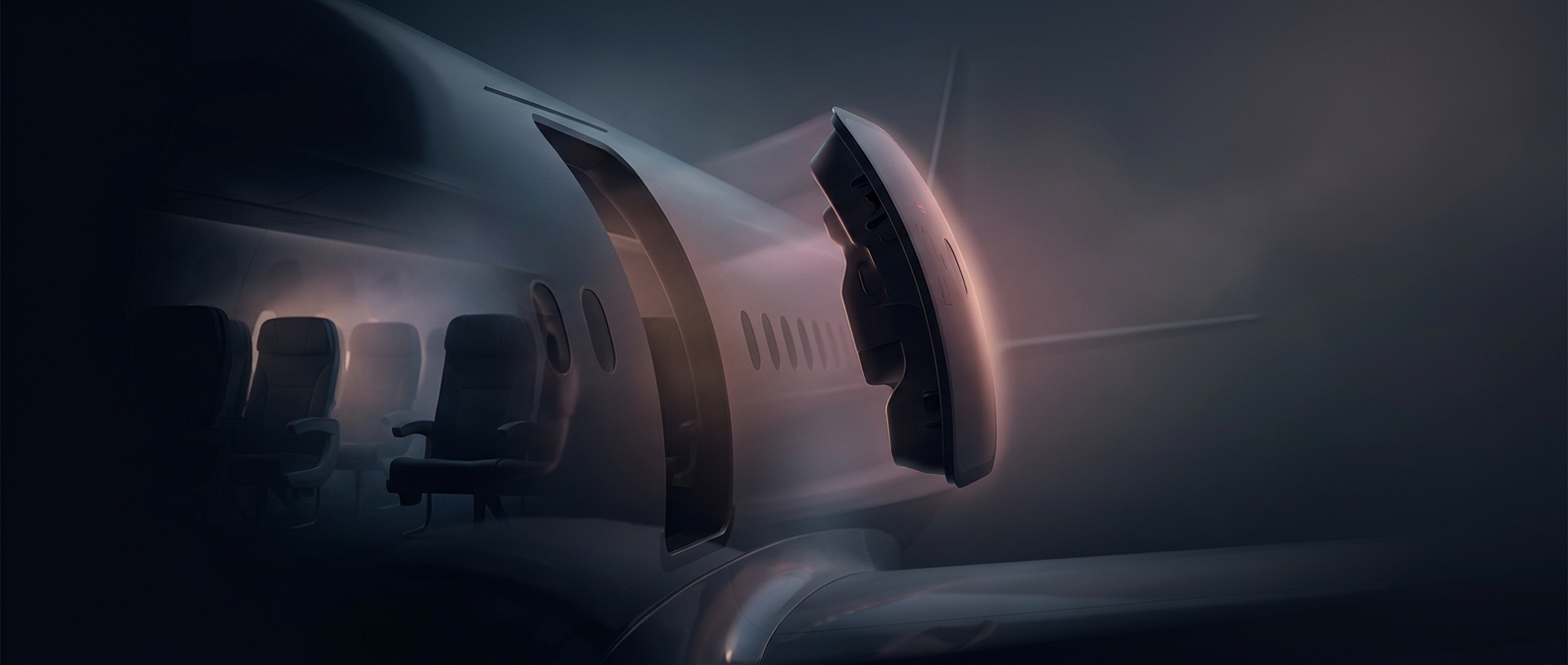
At a usable door, an escape slide unfolds into a ramp from the aircraft to the ground. It lets passengers descend quickly without stairs, while crew members direct people toward available exits and keep the flow moving. If a door is blocked, the crew must steer passengers elsewhere rather than let them crowd an unusable route.
A packed cabin makes that coordination difficult. Passengers may hesitate, carry belongings, or converge on the same doorway. The drill therefore tests not just whether a person can fit through an opening, but whether hundreds of people can move through a limited set of openings under pressure.
Why the Test Matters
The benchmark is a design check, not a promise that every real emergency will unfold on a stopwatch. Conditions vary, and smoke, injuries, or confusion can slow an evacuation. But testing with half the exits blocked forces designers and crews to plan for a failure that removes much of the cabin’s apparent escape capacity.
The practical consequence is built into the aircraft: a door that cannot be used must quickly become a route passengers are told to avoid, while the remaining exits and slides take on the crowd.