The Exit Has to Become Part of the Obstacle Course
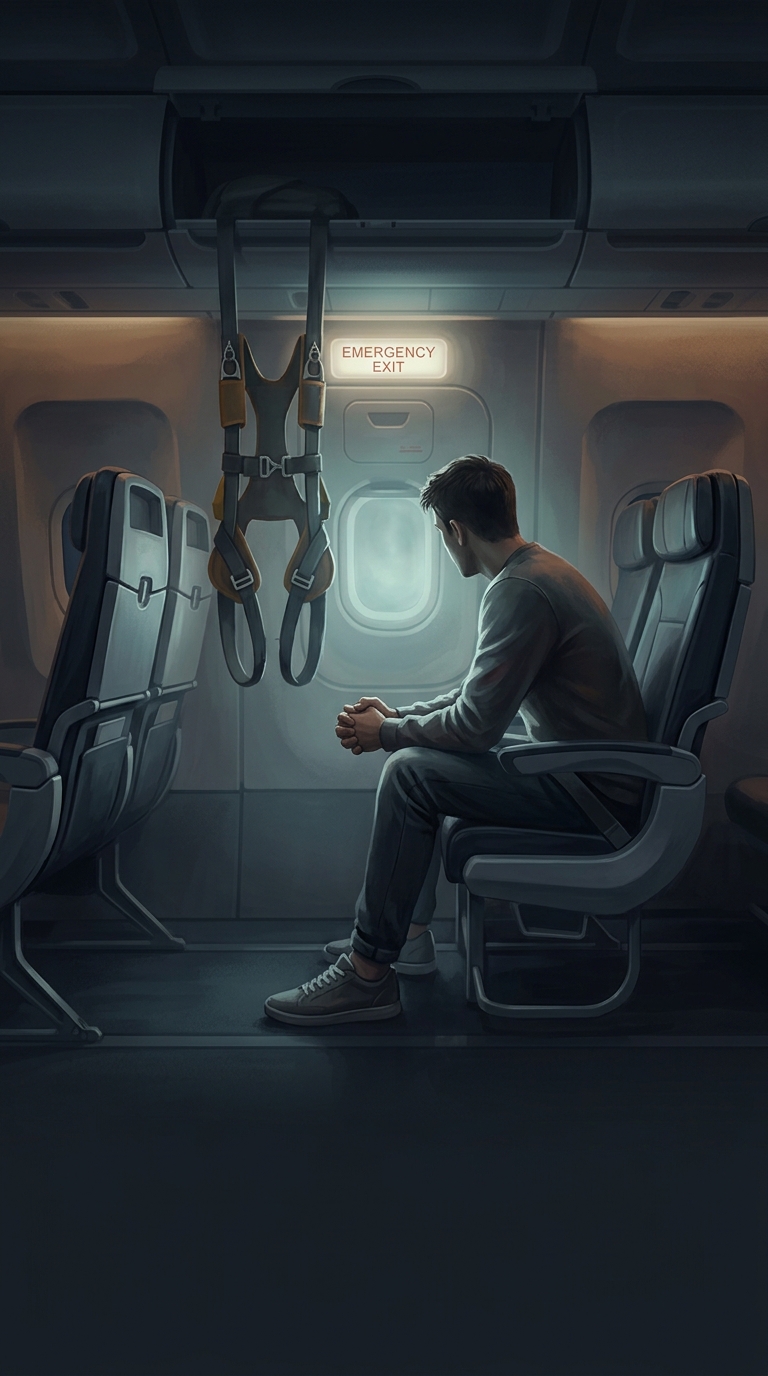
An overwing hatch is not a passenger door with a clear space beside it. It opens directly into the narrow path people must use to get out. If the panel stayed in the opening—or landed where evacuees need to step—it could slow the line just as people are trying to move quickly.
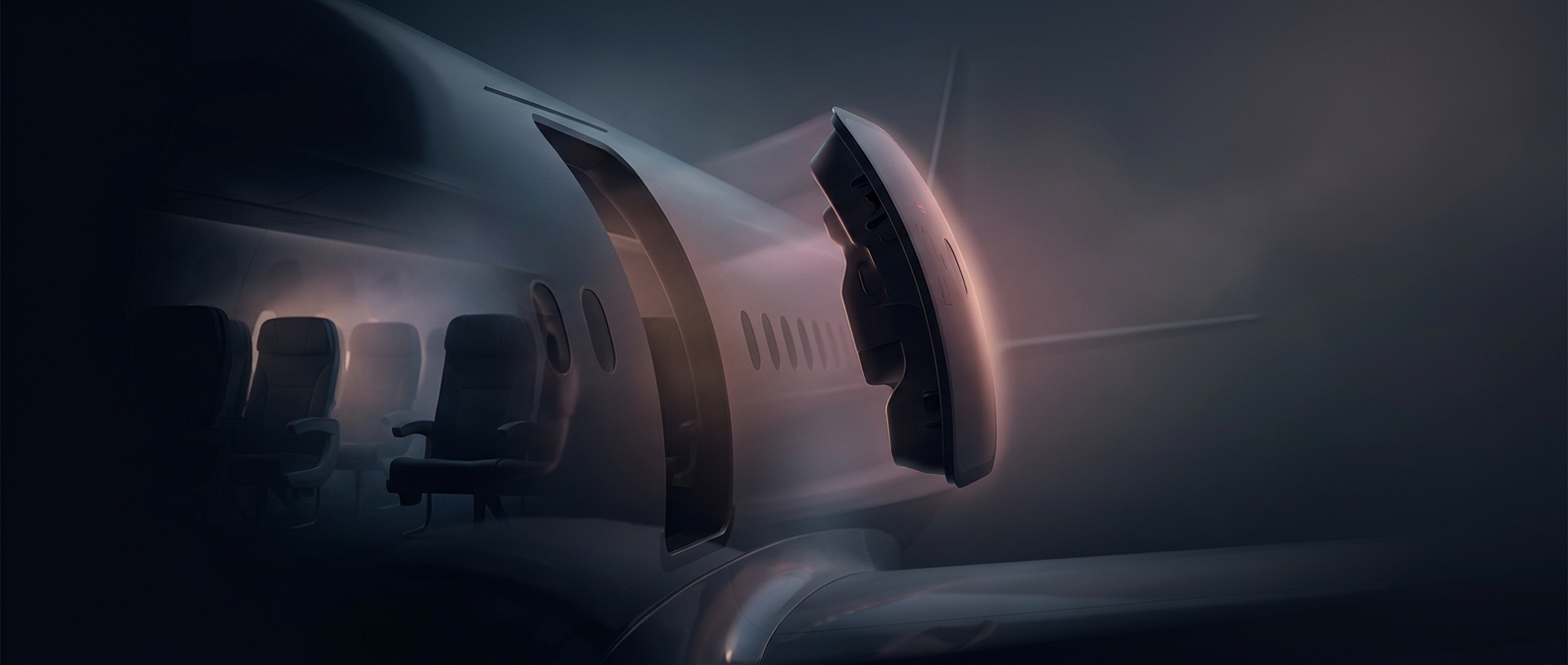
That is why some removable-hatch designs tell the person opening the exit to lift the panel out and put it clear of the route. The instruction is a small piece of evacuation choreography: open the passage, remove the obstruction, then move away so the next person can follow.
Why the Panel Is Removable
A hatch must seal securely during flight but still be operable by a passenger in an emergency. In removable designs, the release lets the hatch come free rather than leaving it attached across the opening. This avoids asking people to squeeze around a panel or hold it in place while others climb through.
The exact motion depends on the aircraft and exit design, so passengers should follow the instructions posted at that exit rather than assume every hatch works the same way. The important practical point is that opening the exit is not finished until the hatch is out of the way—especially when the route continues over the wing, where the opening and the next step are both tight spaces.