A sketch became an ownership dispute
The Bratz designs mattered not just because they looked different from Barbie, but because of when and where they were developed. Carter Bryant was working for Mattel when he drew the early concepts, then brought them to MGA Entertainment, a rival toy maker. That sequence turned an informal creative act—sketching a possible doll—into a question with major business consequences: who owns a design created by an employee, and under what circumstances?
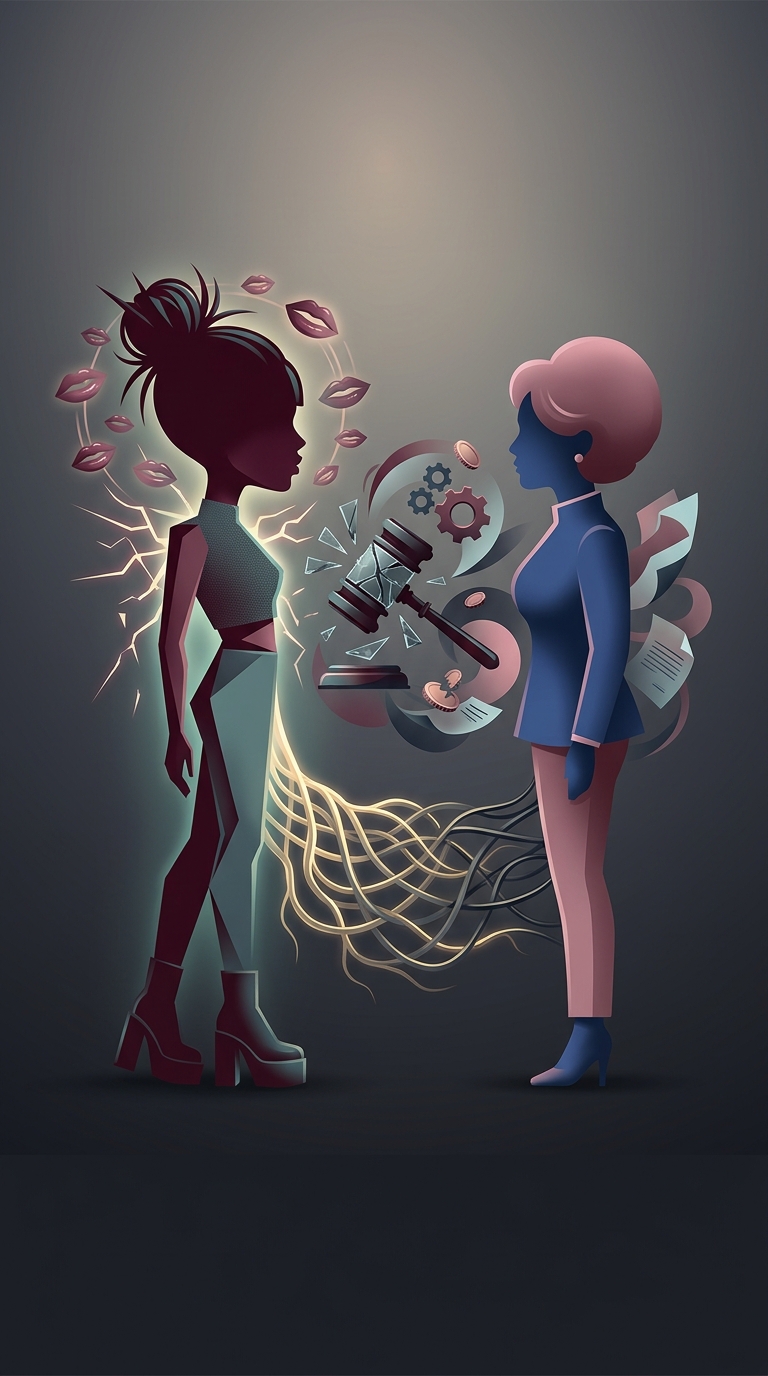
A drawing can become valuable intellectual property once it guides a product. But the answer to who owns it can depend on employment agreements and the details of how and when the work was made. Mattel argued that Bryant’s connection to the company gave it rights to the Bratz concept; MGA disputed that claim. The fight therefore reached beyond whether the dolls resembled another brand. It was about the boundary between an employee’s own creative work and work that belongs to an employer.
The dolls turned the dispute into a high-stakes contest
Once MGA developed Bratz into a commercial line, the original sketches were no longer just private concepts. They were tied to a competing product and a rival company’s business. That made the ownership question consequential for both firms: the outcome could affect who controlled the brand and benefited from its success.
The conflict stretched across years of lawsuits and appeals, with courts revisiting the claims rather than settling the question in a single ruling. The episode illustrates why companies treat early design work and employee agreements so carefully. A few sketches can become the center of a corporate battle when a successful product grows out of work begun inside a competitor’s workplace.