Why Anime Episodes Often Run About 24 Minutes
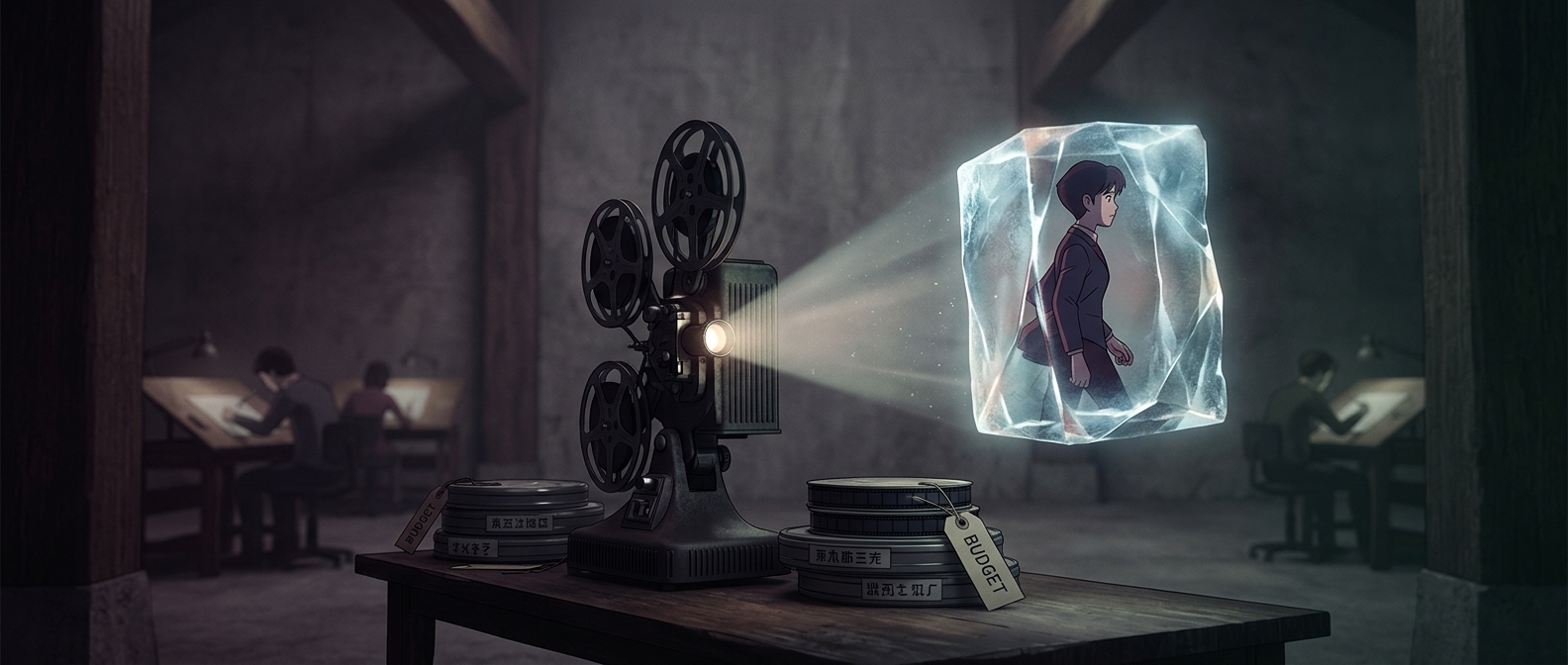
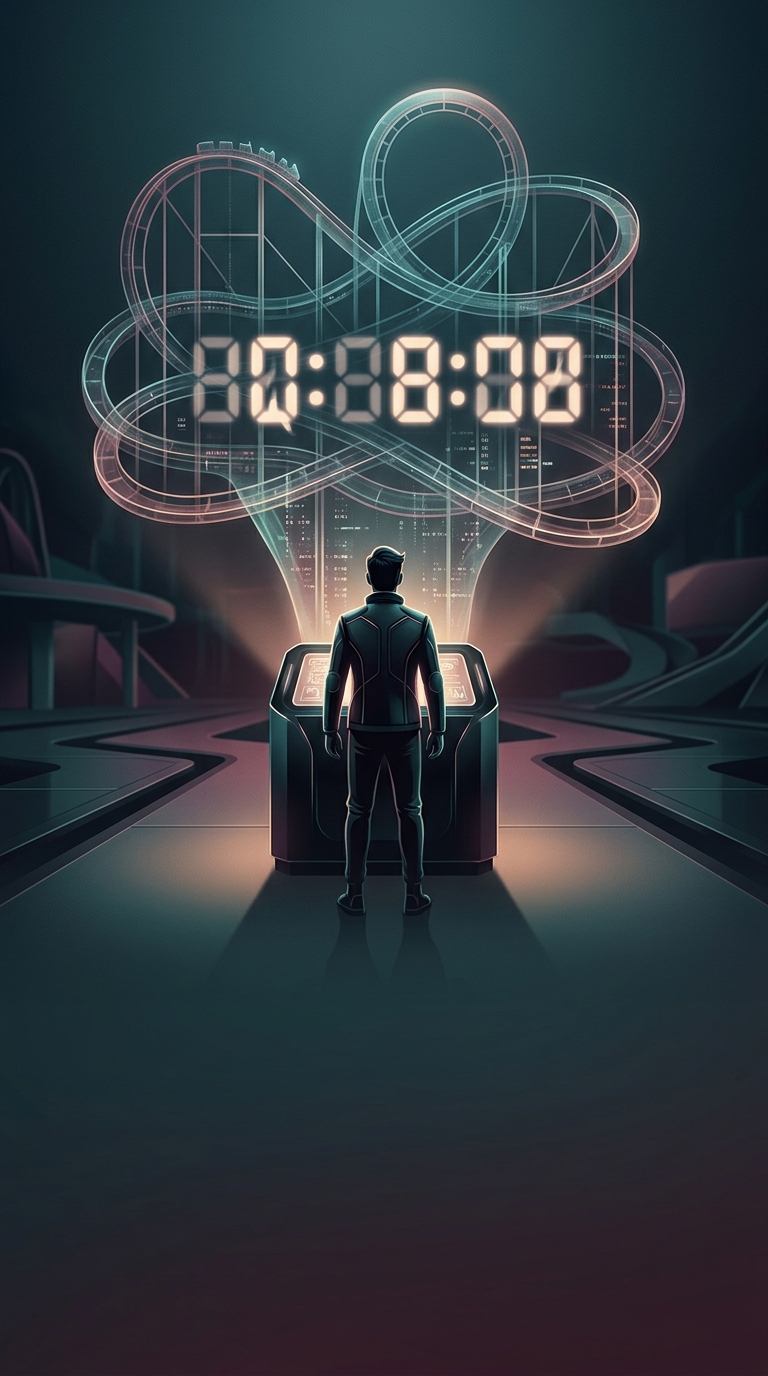
The familiar runtime is largely a consequence of television scheduling. In Japan, a program assigned a half-hour broadcast slot has to share that time with commercials and station announcements. The episode itself therefore commonly fills roughly 22 to 24 minutes—not the full 30.
That target gives broadcasters a predictable schedule: several programs can fit into an evening without one running into the next. It also gives producers a standard-sized container for a story, so scripts, animation, and recurring elements can be planned around a similar amount of screen time from week to week.
The Minutes Have to Do Several Jobs
An episode’s runtime includes more than its central story. Opening and ending themes, previews, and sometimes a recap all take time from the same allotment. When a plot needs room, a production may shorten or omit one of those pieces; when it needs less, a quieter scene or extra transition can fill the space. The pacing can feel deliberate because the episode is shaped to fit a broadcast window, not simply cut to an arbitrary stopwatch mark.
The result is a convention, not a universal rule. Specials, streaming releases, and episodes built around unusual formats can run shorter or longer, and even ordinary episodes do not all land on precisely the same second. What looks like exact standardization is really a practical compromise: a story sized to fit between the commercials in a television slot.