A Wait Time Is a Crowd-Control Signal
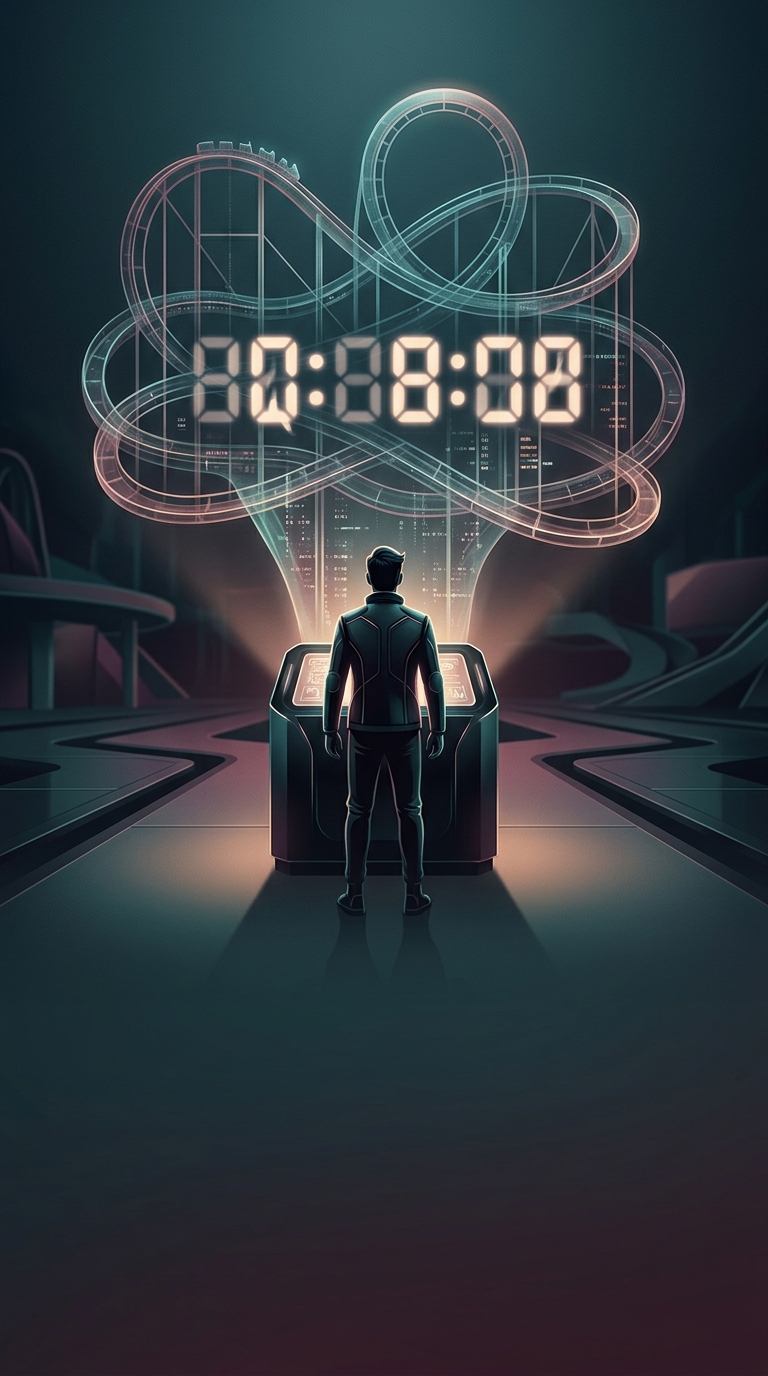
A posted wait is not a stopwatch reading. It is an estimate of how long a newly arriving guest will take to reach the ride, based on clues such as the queue’s length, how quickly people are moving through it, and how many seats the attraction is sending out. Those clues can change minute by minute: a ride may slow, stop briefly, or load fewer people than expected.
That makes the number useful even when it is not exact. A sign saying “60 minutes” can steer some guests toward another attraction; a shorter estimate can draw them in. Across a park, those choices redistribute crowds, helping prevent one line from growing while nearby rides sit comparatively quiet.
Why Parks May Choose a Number, Not Just Calculate One
Operators have reason to manage expectations as well as measure queues. If a line looks intimidating, a conservative estimate may discourage more guests from joining it. If the displayed time is lower, guests may be more willing to try the ride. The estimate can therefore influence the very line it is meant to describe—a feedback loop that makes perfect accuracy difficult.
There is a tradeoff. An estimate that is too high may send guests elsewhere, but it can also make a ride seem not worth visiting. One that is too low can attract a rush of people who then feel misled. Parks need a number that helps manage the flow without undermining guests’ trust.
The Number Can Be Wrong Without Being Random
A line’s visible length is only part of the calculation. Two queues of similar size can move at different speeds if one has more large groups, if loading takes longer, or if the ride’s capacity changes. A brief interruption can make an estimate stale almost as soon as it appears.
So an implausible wait may reflect both imperfect forecasting and deliberate crowd management, rather than a precise promise. The sign is doing two jobs at once: describing a moving line and nudging thousands of guests toward their next choice.