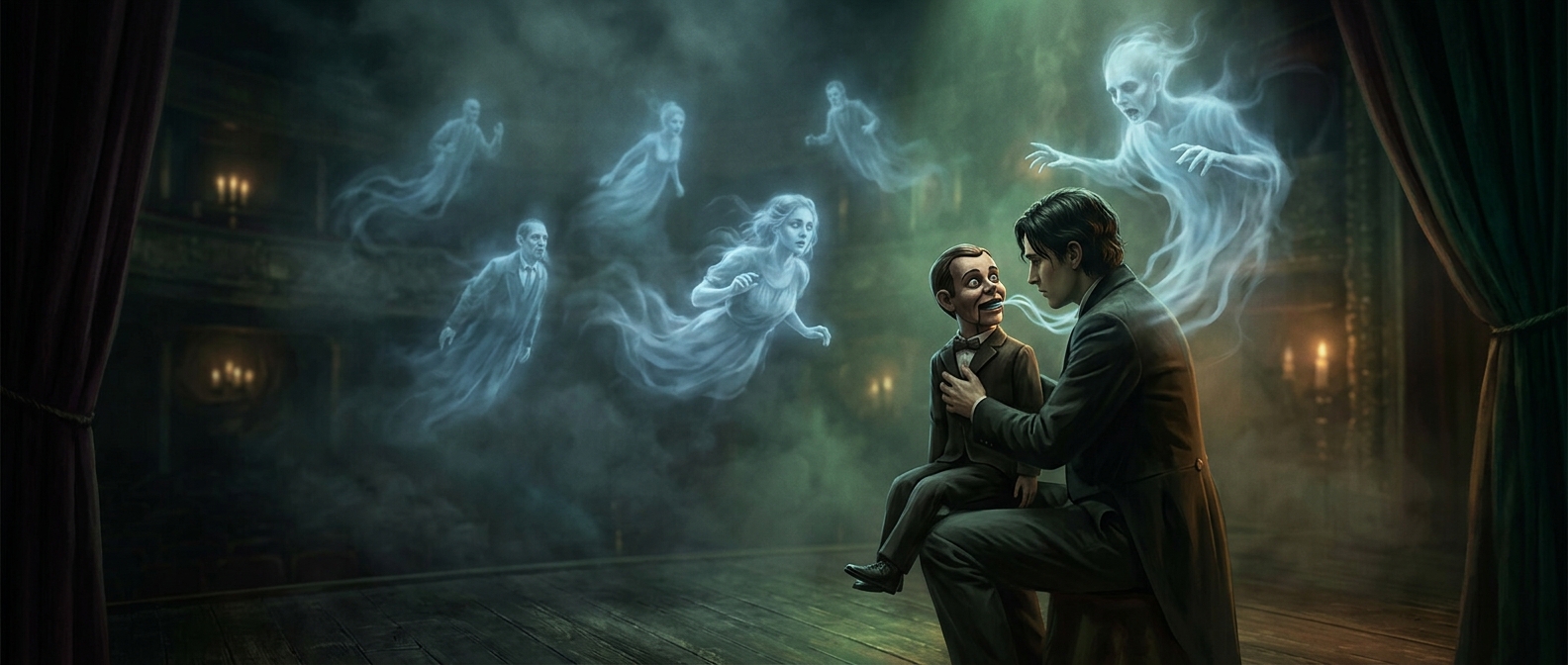
When a Performance Voice Becomes a Habit
An actor’s voice is not just an accent. Pitch, rhythm, resonance—the quality that makes a voice sound bright or deep—and the placement of sounds in the mouth all help create a character. Repeating those choices across roles can make them feel familiar, even after the performance ends.
For someone who regularly reshapes their voice, “natural” does not necessarily mean one unmistakable sound. It means the relaxed, unperformed way of speaking, which can be harder to identify after years of switching among vocal styles.
Finding a Baseline Again
A speech therapist can help separate deliberate choices from habitual ones. That distinction matters for an actor: the goal is not to erase the voices built for roles, but to recognize the starting point from which those voices can be created.
Oldman’s experience is a reminder that vocal transformation is physical as well as imaginative. An actor can become so practiced at sounding like someone else that returning to an unshaped voice takes attention, too.