Why Nevada’s open spaces have so many managers
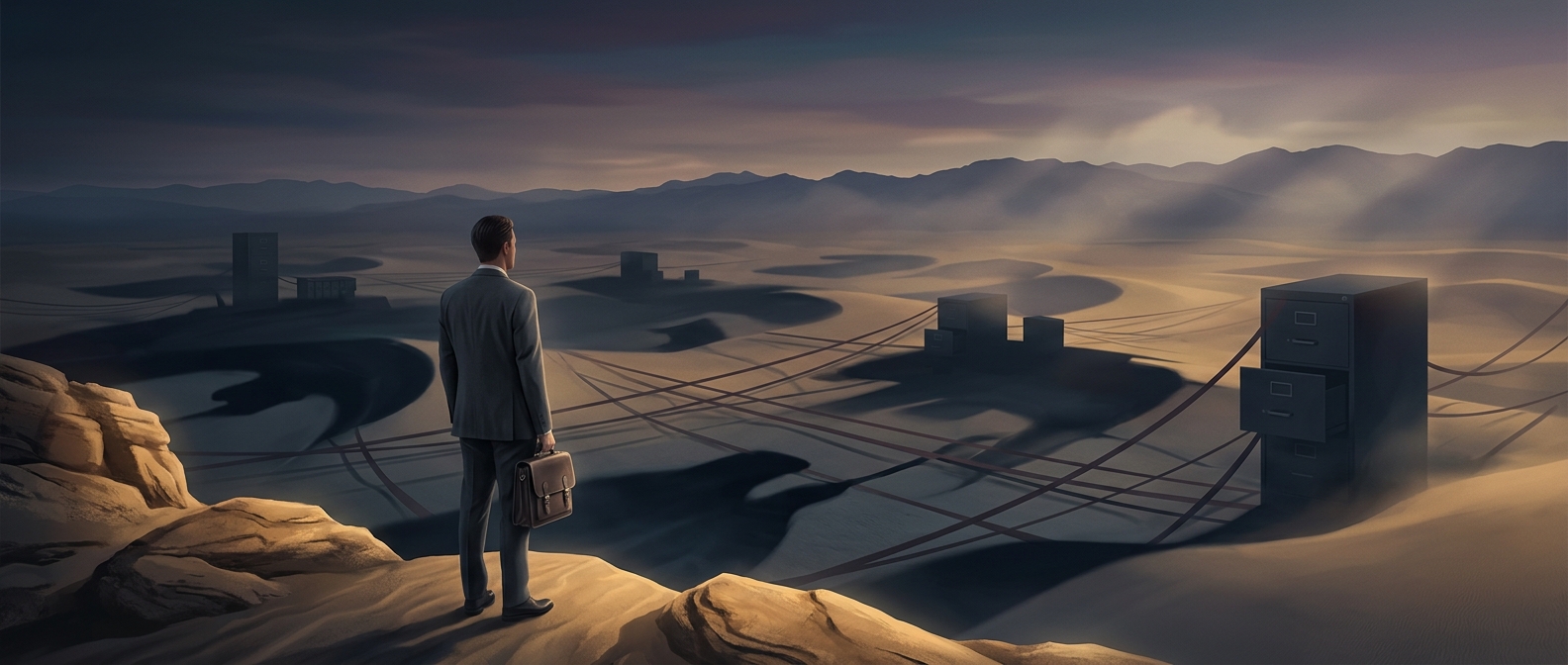
Across much of Nevada, the land beyond the cities is not a patchwork of private ranches and towns. It is largely federal public land, managed by agencies with different jobs. The Bureau of Land Management oversees broad stretches of desert and rangeland; the Forest Service manages national forests; the National Park Service protects parks and monuments; and the Defense Department operates military ranges and training areas.
“Public land” does not mean every acre is open for every use. A desert valley may be available for hiking or grazing while nearby land is closed for military exercises. Mining, recreation, wildlife protection, and ranching can all be governed by different rules, sometimes on adjoining parcels.
How the landscape became federal
Nevada entered the United States as a western territory in the 19th century, when the federal government retained vast areas of land rather than transferring most of them into private ownership. The state’s rugged, dry interior had relatively little farming or settlement compared with regions where land was rapidly subdivided and sold. Federal control persisted as the West developed, and agencies later took on specialized roles such as managing grazing and minerals, protecting notable landscapes, and reserving space for military testing and training.
The result is visible in the state’s geography: cities such as Las Vegas and Reno occupy concentrated areas of private and local development, while immense stretches between them remain under federal management. Roads can cross those open expanses without passing through towns, but access and activity may change at a boundary that is easy to miss from the highway.
What that means on a Nevada trip
A public-land map is practical travel information, not just a guide to scenery. It can help explain why a route suddenly reaches a restricted area, why camping is permitted in one place but not another, or why a seemingly empty valley contains roads and facilities tied to government work. In Nevada, the landscape’s openness often reflects a management decision—not an absence of people or purpose.