Why the Seatbelt Sign Can Stay On in Smooth Air
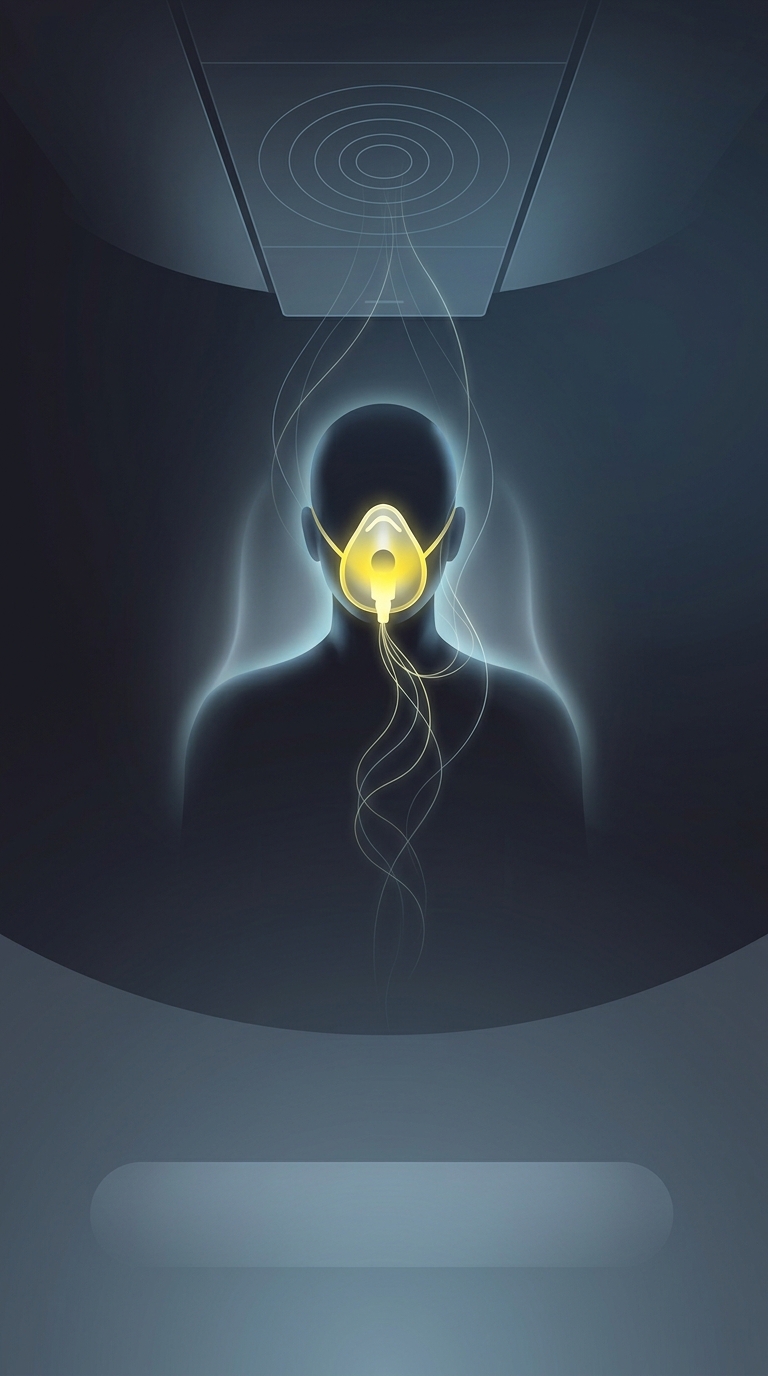
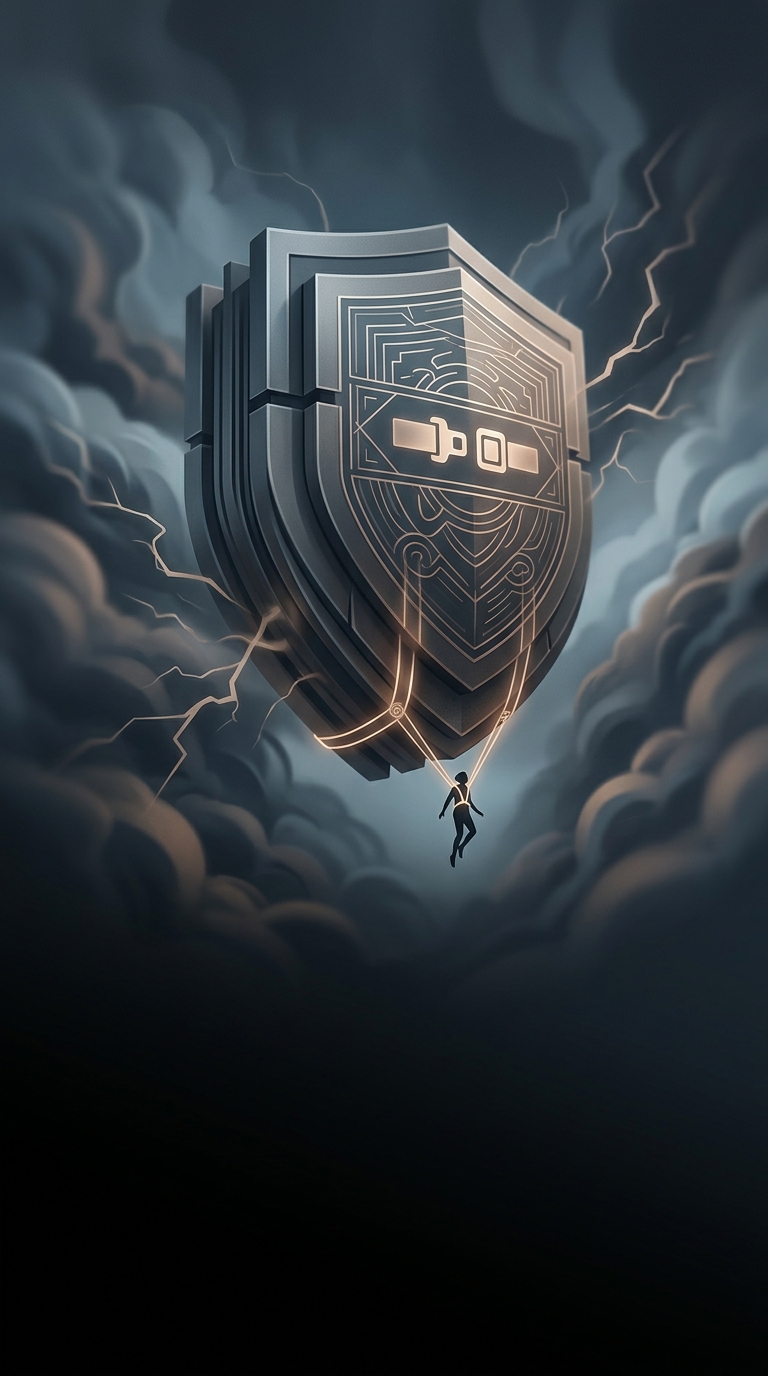
A smooth ride is only a snapshot of the air around the airplane. Turbulence can develop with little warning, including in otherwise clear skies, and pilots may not have enough time to switch the sign on before the cabin jolts. Keeping it illuminated is a simple way to encourage passengers to remain buckled while seated, so a sudden bump is less likely to throw someone into an armrest, another passenger, or the ceiling.
A Safety Cue, Not Just a Turbulence Report
The sign is a cabin instruction, not a promise that rough air is happening at that moment—or that the ride will stay smooth while it is off. Pilots can leave it on when they think conditions may change or when they want the cabin secured. The crew also benefits from fewer passengers moving around while serving food, collecting items, or preparing for a bump.
Keeping the cabin settled can have practical benefits beyond turbulence: it may discourage people from standing in line near the lavatories or moving through the aisle when the crew needs passengers seated. Those concerns can help explain a long-running sign, but the central reason is straightforward: turbulence can be hard to predict, and a fastened belt reduces the chance of injury.
What Passengers Can Do
When seated, keeping the belt snug and low across the hips—even when the sign is off—provides protection without restricting ordinary movement. The light may go out when the immediate need for a secured cabin has passed; it cannot guarantee that the air ahead will remain calm. That is why a belt that stays fastened through a quiet stretch can matter most when the next jolt arrives unexpectedly.