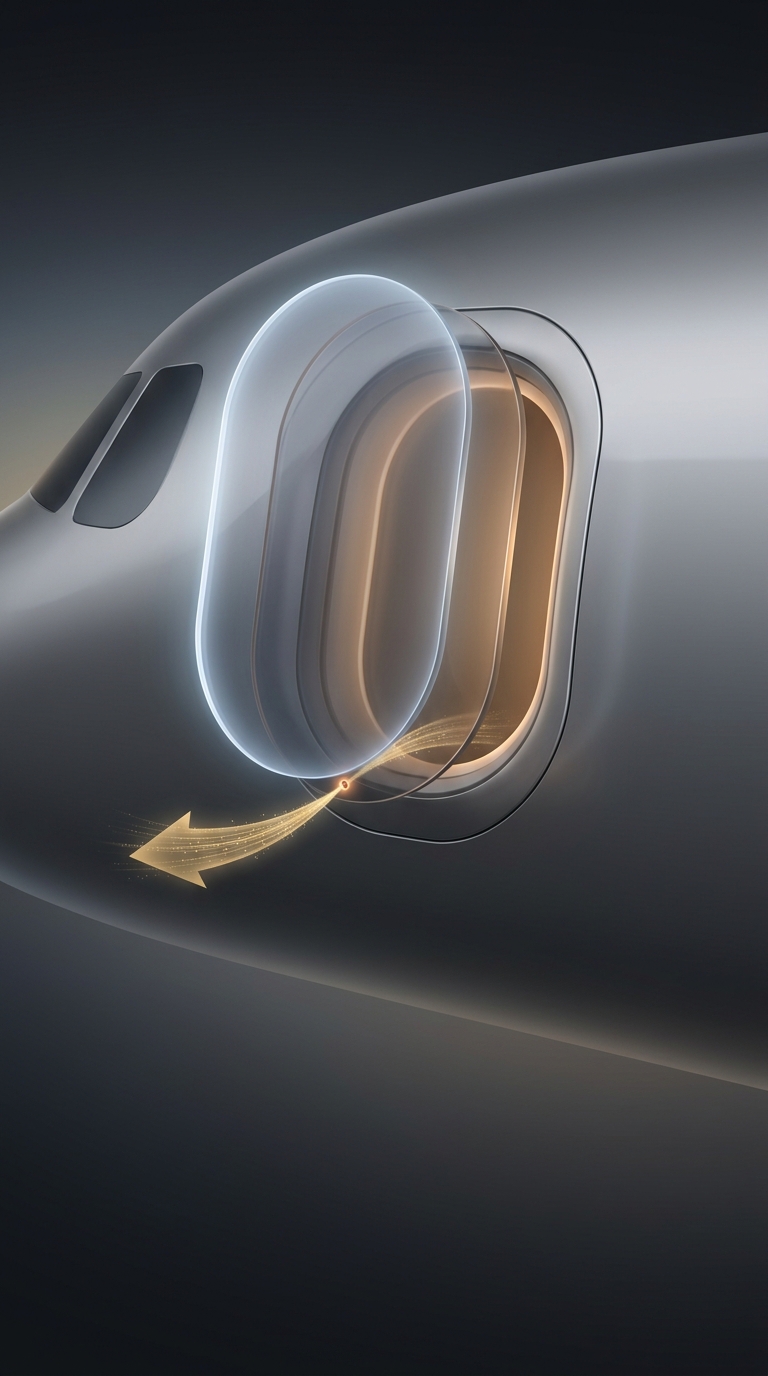
The masks are meant to buy time for a descent
On most commercial jets, passenger oxygen masks provide oxygen for roughly 12 to 20 minutes, though the exact duration depends on the aircraft. That may sound brief, but the masks are not intended to support passengers for the rest of a flight. They bridge the gap while pilots descend to an altitude where the air is breathable without supplemental oxygen—often around 10,000 feet.
At cruising altitude, the air pressure is too low for the body to get enough oxygen with each breath. A rapid loss of cabin pressure can therefore make people confused or unconscious within minutes. The masks let passengers keep breathing while the crew carries out an emergency descent.
What makes the oxygen flow
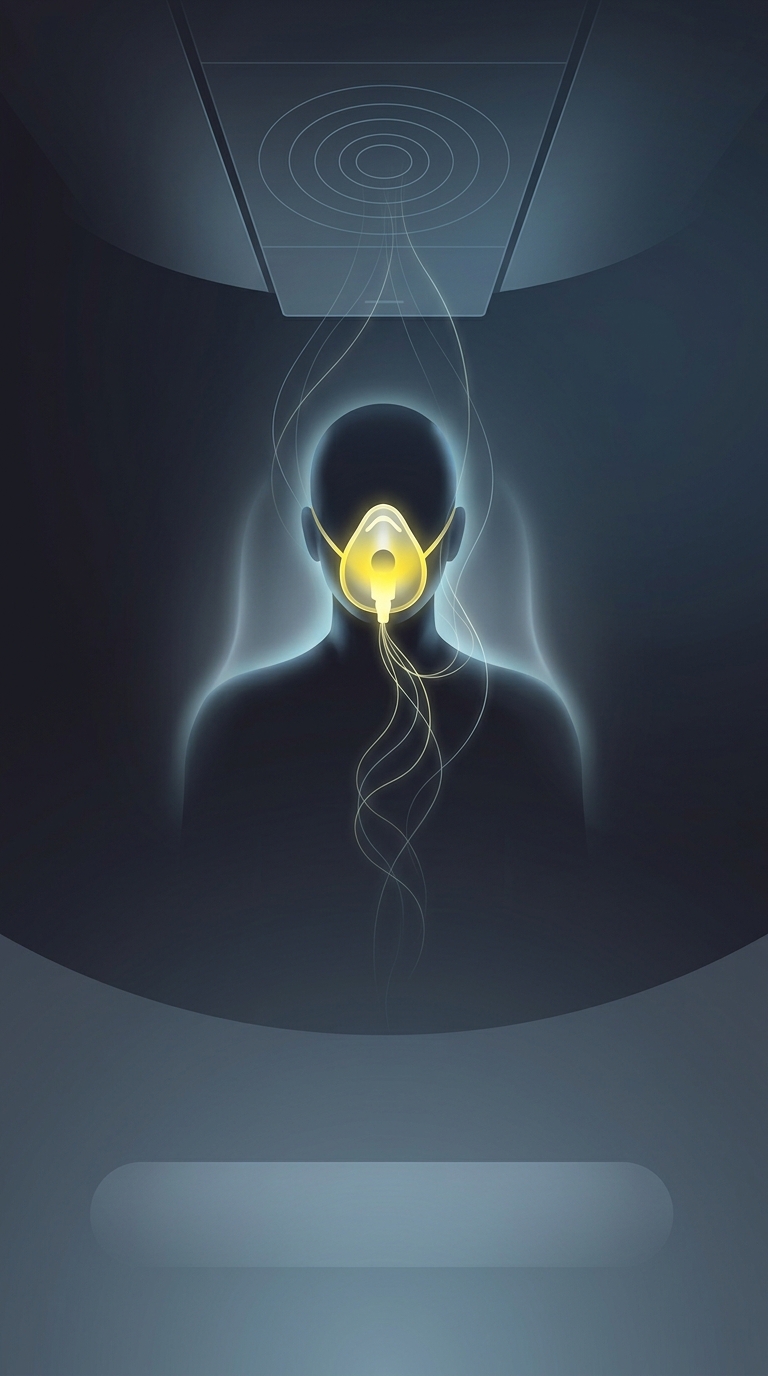
On many aircraft, pulling a mask toward you starts a chemical oxygen generator above the seats. A chemical reaction inside it releases oxygen through the tubing. The small bag attached to the mask is not necessarily supposed to puff up: it can act as a reservoir, and may remain slack as oxygen flows.
Because the generator is activated when the mask is pulled, the supply is limited and generally cannot be switched off and saved for later. The system is designed around the expectation that the aircraft will reach safer air before that supply runs out. Once the plane is lower, passengers can breathe cabin air again, even if the masks are no longer supplying oxygen.
That is why the instruction to put on your own mask first matters: the oxygen supply is a short bridge, and you need to be able to use it while helping someone else.