The Side of the Road Your Brain Assumes
A driver who learned to drive on the right may instinctively drift toward the right side of an empty road—even in a country where traffic keeps left. That reflex can be surprisingly hard to override because driving is largely habitual: the hands steer, the eyes scan, and the feet work the pedals without a fresh decision for every move.
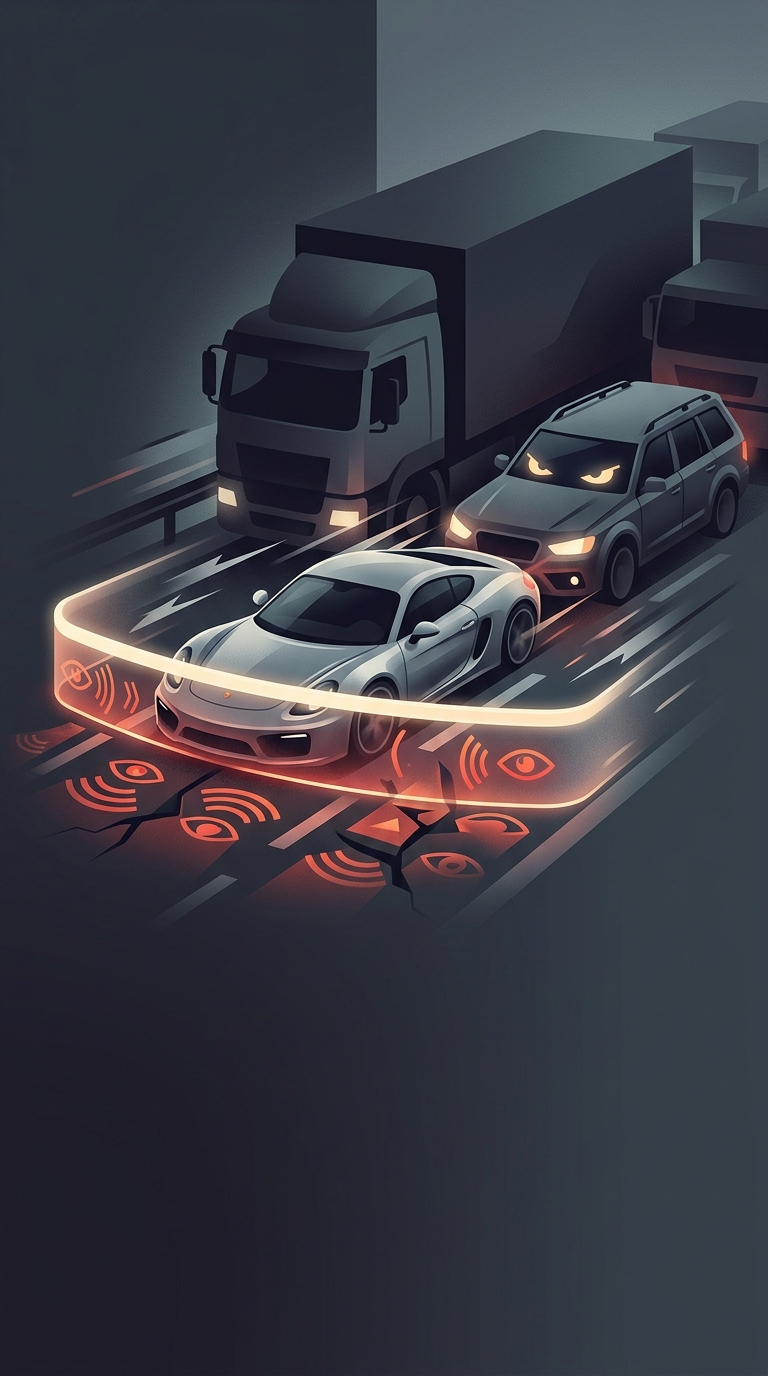
The mistake is especially likely when a driver pulls out of a quiet rental-car lot, turns onto an empty street, or sets off after a tiring flight. With little traffic around to provide a visual reminder, familiar habits can take over. The danger rises at junctions, where a driver must decide which side to enter while also watching for traffic, pedestrians, signs, and navigation instructions.
Why the First Turns Matter
On the opposite side of the road, more than the steering direction changes. The driver sits on a different side of the car, judges the vehicle’s position from a new viewpoint, and approaches turns and roundabouts from unfamiliar angles. Those demands compete for attention just when the driver is making decisions quickly.
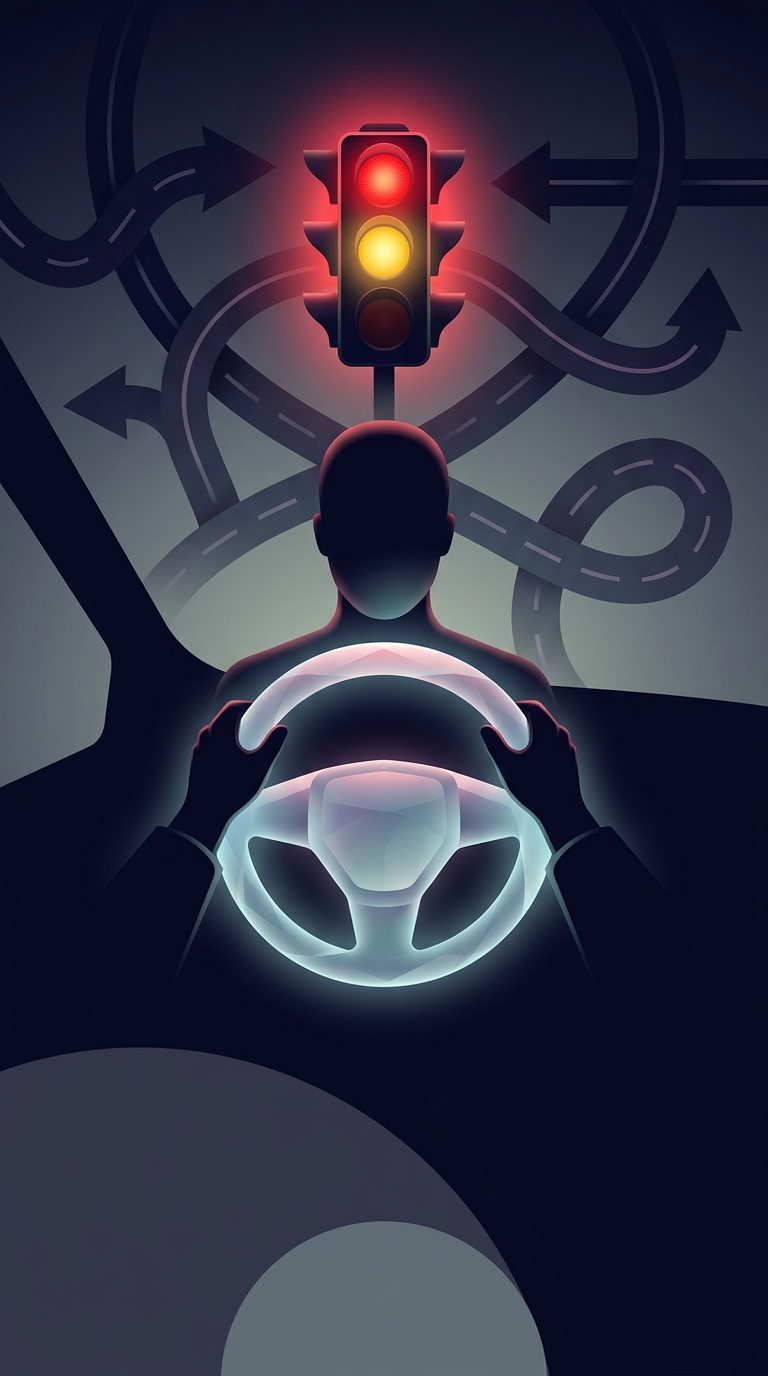
A simple safeguard is to make the local traffic pattern explicit before moving: check which side of the road to use, identify the first turn from the rental lot, and follow the flow of other vehicles rather than relying on muscle memory. A passenger can help watch signs and remind the driver at junctions. Extra caution is useful after stops, when the surroundings change and the old reflex can return.
The most treacherous moment may not be a dramatic high-speed drive. It can be the ordinary first turn onto a familiar-looking, nearly empty street—the instant when habit, rather than the local rule, tries to take the wheel.