Why a gust can turn into a steering problem
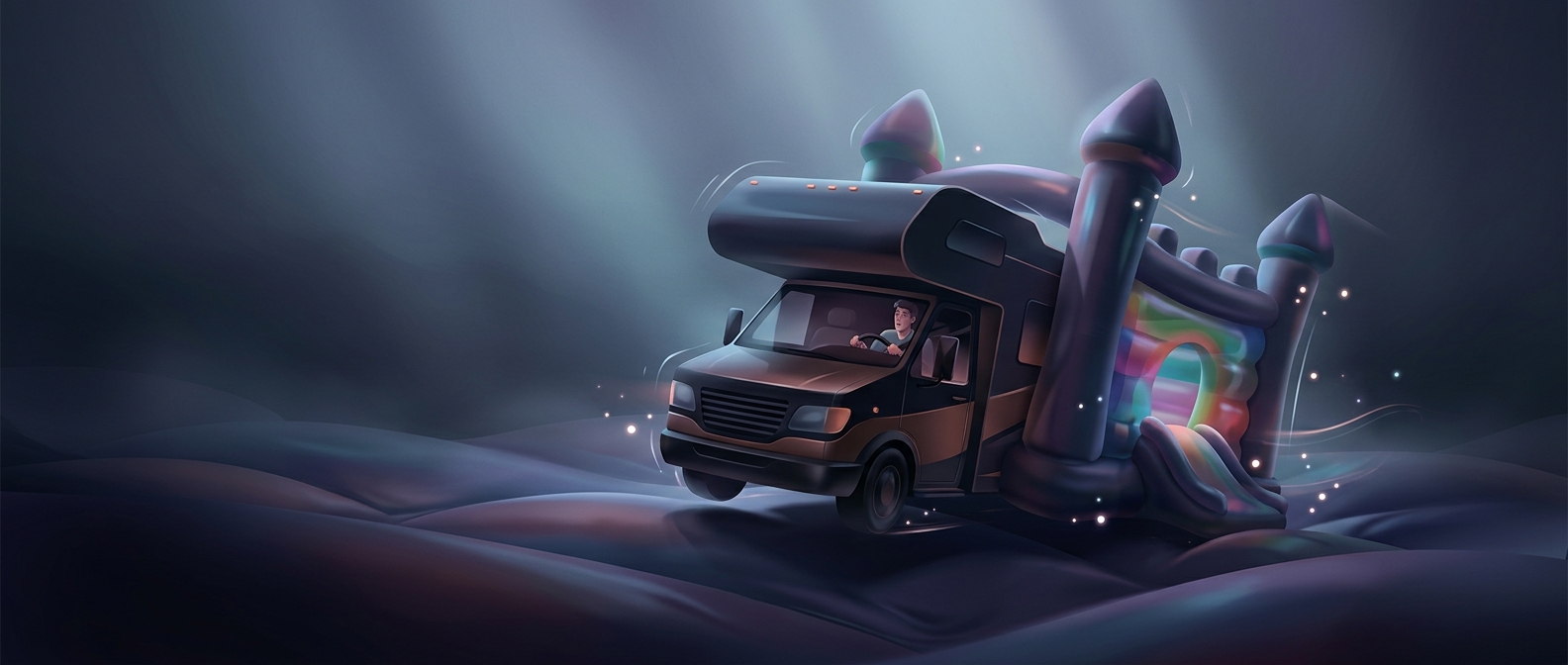
A motorhome presents a broad, flat side to the wind. When a gust hits that surface, it creates sideways force—not just resistance at the front. Because the force acts away from the tires’ contact with the road, it can also twist the vehicle slightly, like pushing a door away from its hinges.
The driver feels that push through the steering wheel as the vehicle’s path shifts. A gust from the side can move the body first; the tires and steering then have to bring the vehicle back into line. The effect is more noticeable when the wind arrives suddenly, such as after passing a gap in trees or emerging from behind a barrier.
Why the body’s movement matters
A motorhome’s tall body sits on a suspension designed to carry a heavy load while keeping the ride comfortable. That suspension can allow more body movement than a low, stiff passenger car. As the body leans or rocks, the driver may need to make small steering corrections, and those corrections can feel amplified because the vehicle is long and occupies much of the lane.
The wind can also change abruptly around other large vehicles. A truck may shield a motorhome from the crosswind while they are alongside; once the motorhome clears it, the full gust can reach the side again. So the challenge is not simply wind strength, but how quickly the force changes. A tall vehicle can feel as though it is being nudged sideways even when the driver is holding a steady course.