The Horse Is Part of the Steering System
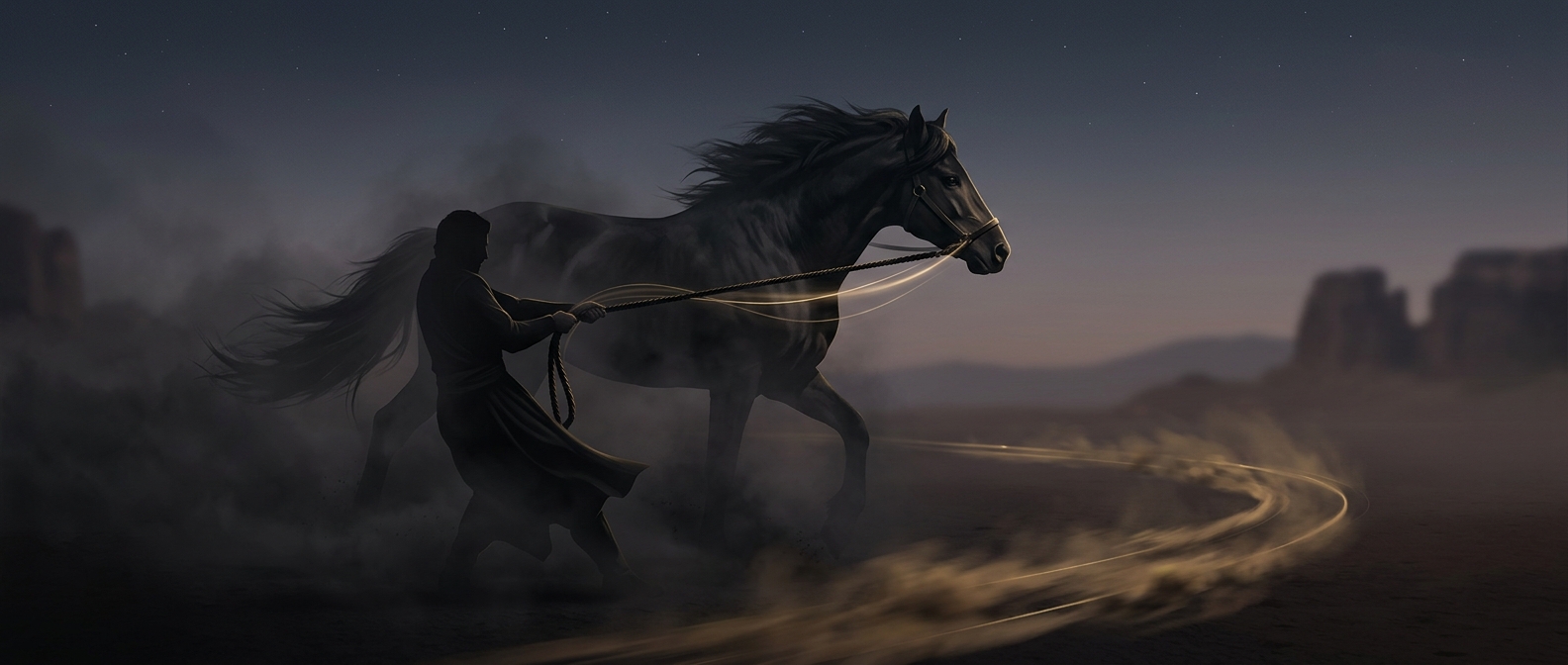
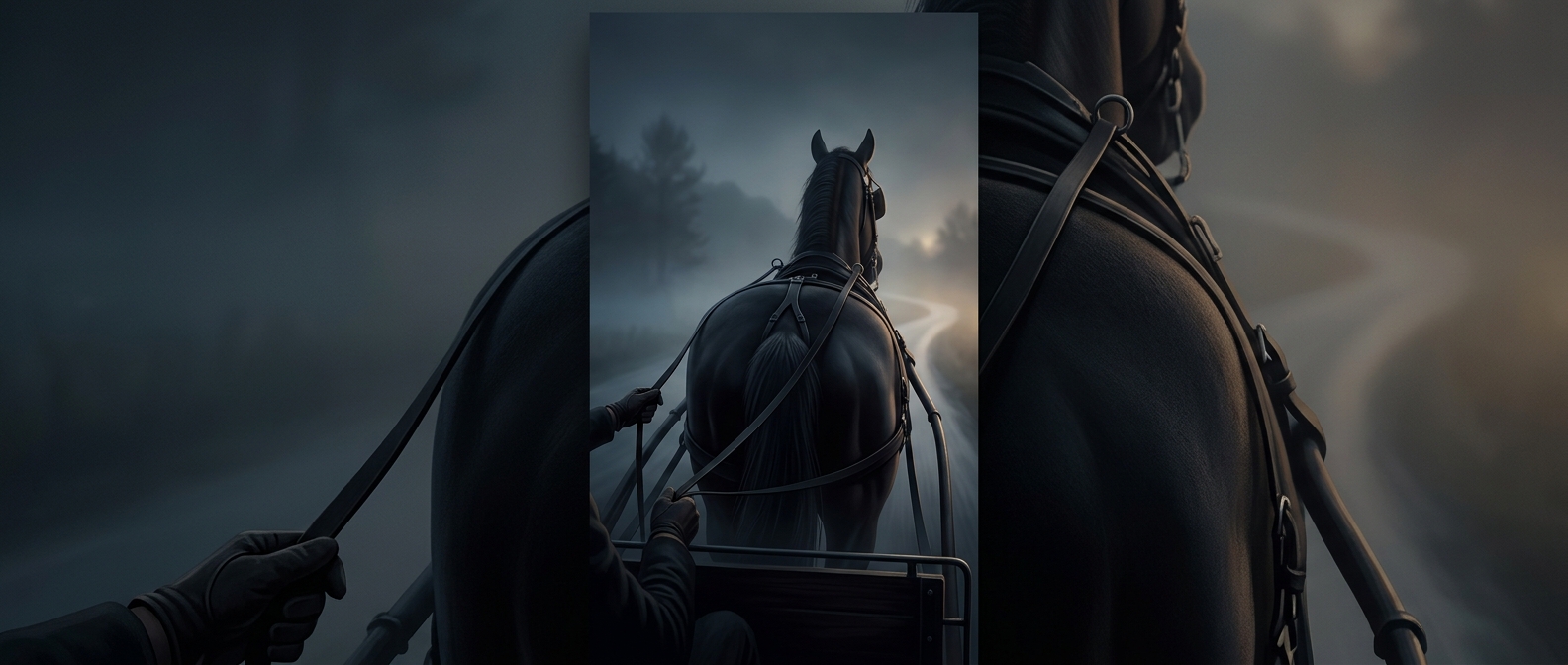
A horse-drawn buggy does not turn like a car. The driver guides the horse through reins—straps connected to the bridle—and the horse then moves the carriage by pulling through its harness. The driver’s hands give the cue, but the animal has to understand and carry it out. That makes watching the horse a practical part of controlling the vehicle, not just an awkward consequence of where the seat is placed.
A driver can read small changes in the horse’s posture and movement: a shift in its body, a change of pace, or a hesitation before an obstacle. Those signs help reveal whether it has noticed something, is responding to a cue, or is beginning to veer. The reins provide information through the hands, too, but sight helps the driver judge what is happening before a small change becomes a larger one.
The Road Still Matters
The driver cannot ignore the route ahead. Safe driving means dividing attention between the path, other traffic or pedestrians, and the horse’s response. Turning also requires room: the horse changes direction first, and the buggy follows behind along a wider arc than a person might expect.
So the view from the seat is an unusual compromise. The driver looks forward to choose a safe line, but also keeps checking the animal that makes the turn possible. On a narrow street, a horse’s slight sidestep can determine whether the buggy clears a curb or swings too close to a passing obstacle.