Why a Pressurized Cabin Holds Its Doors Shut
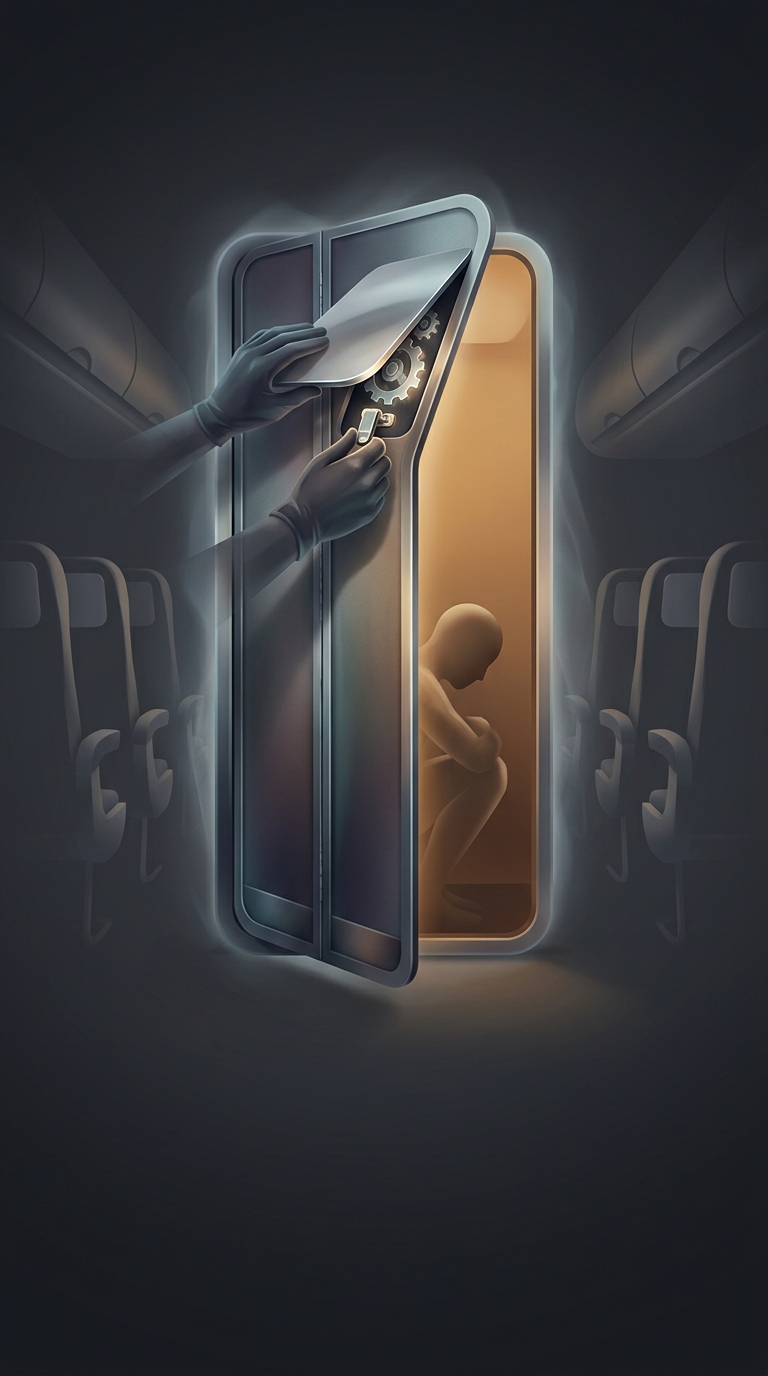
Most passenger-aircraft doors are designed as plug doors: before one can swing outward, part of it must move inward, clear of the frame, or follow a similar release path. When the cabin is pressurized, the higher air pressure inside pushes the door outward against its frame. That force works against the inward movement needed to open it.
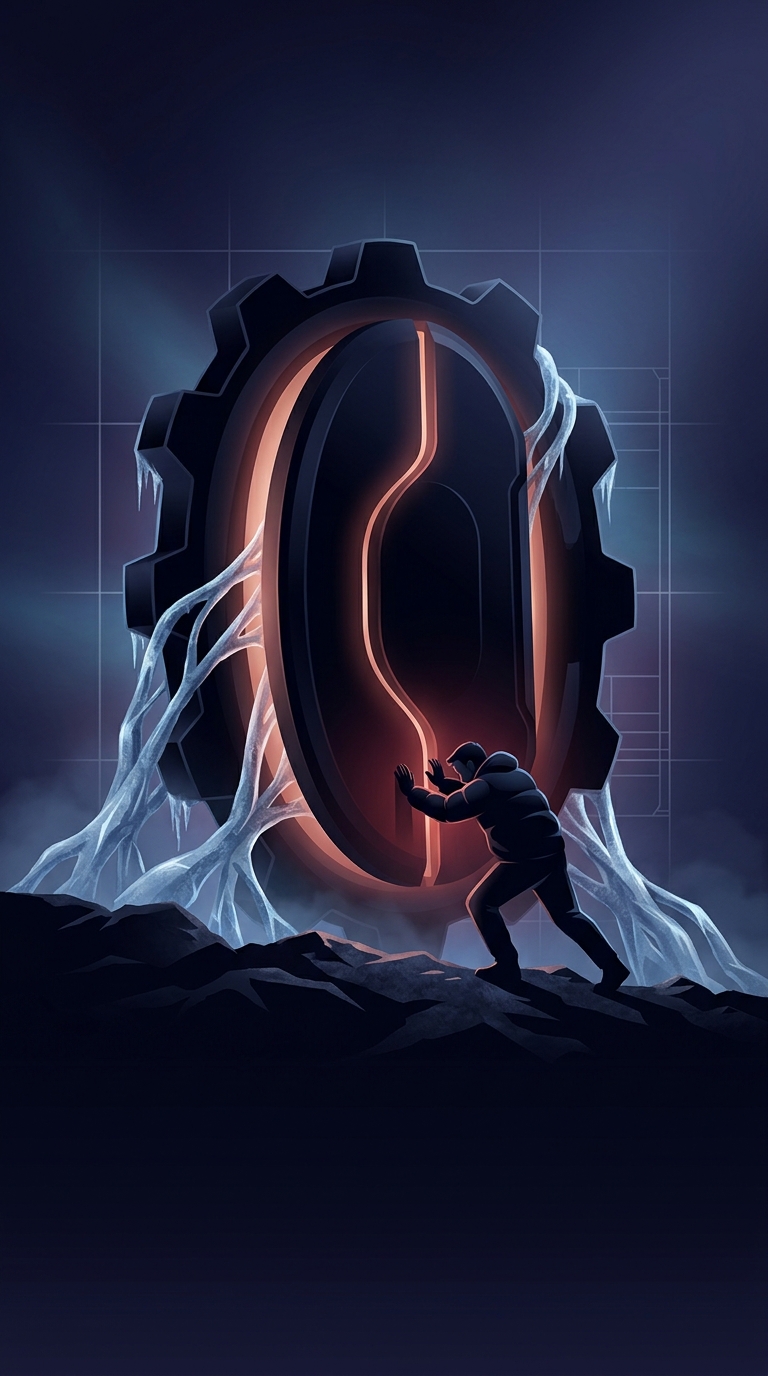
The pressure difference can create a large load because it acts across the door’s entire area. A person pulling a handle or leaning on the door cannot overcome that load, and the door’s locking mechanisms add another barrier.
Why “Mid-Flight” Matters
At cruising altitude, the air outside is much thinner than the air maintained inside the cabin. That difference is what presses a plug-style door into its frame. The door is not simply held shut by a latch that a passenger could defeat with enough effort; the pressure itself makes the required opening motion impractical.
This explanation applies to a pressurized aircraft in flight, not every possible moment or every door design. If the cabin is no longer pressurized, that pressure-based resistance is reduced. Aircraft doors and exits also vary, so there is no single force figure that describes them all.
Why Crew Members Still Intervene
Even when a passenger cannot open the door, trying to operate it can distract crew members and disrupt the cabin. Flight attendants are trained to respond to such behavior and protect access to emergency equipment and exits. The key detail is that, during normal pressurized flight, the cabin’s pressure difference—not a passenger’s strength—is what keeps the door firmly seated.