A Hotel Safe Can Turn a Small Problem Into a Big One
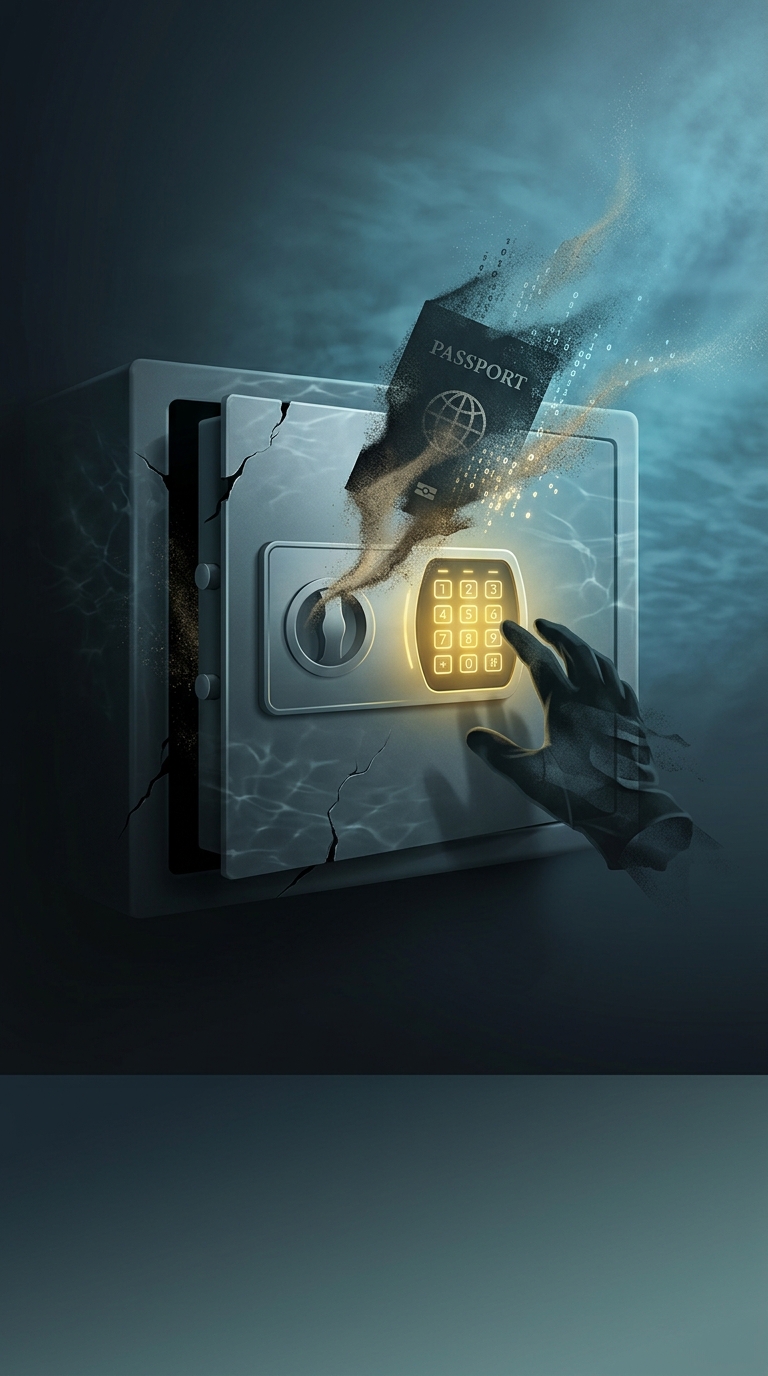
An electronic room safe feels like an obvious place for a passport while you swim: it keeps the document out of sight, but nearby. The catch is that “nearby” can become “unavailable.” If the safe jams, its batteries fail, or the code is forgotten, you may need hotel staff to open it. That can take time—especially when you are trying to check out, catch a ferry, or respond to an unexpected change in plans.
A safe also is not the same as a personal vault. Hotel staff may have a way to override its lock, and the quality and installation of safes vary. Putting your passport inside therefore does not eliminate every risk; it trades the risk of carrying it for the risk of losing access to it or relying on the room’s security.
Separate What You Need From What You Can Secure
For a beach trip, carry only what you need for the outing. Keep the original passport secured somewhere appropriate, and bring a separate copy or a secure digital image for reference if needed. A copy can help you access passport details, but it is not a substitute for the original when official identification is required.
Before relying on a room safe, check that it works and learn how the hotel handles lockouts. If you do use it, avoid waiting until checkout to discover that it will not open. The practical lesson is not that every hotel safe is unsafe; it is that a passport’s security matters less if you cannot retrieve it when your plans depend on it.