The rear middle seat has a modest statistical edge
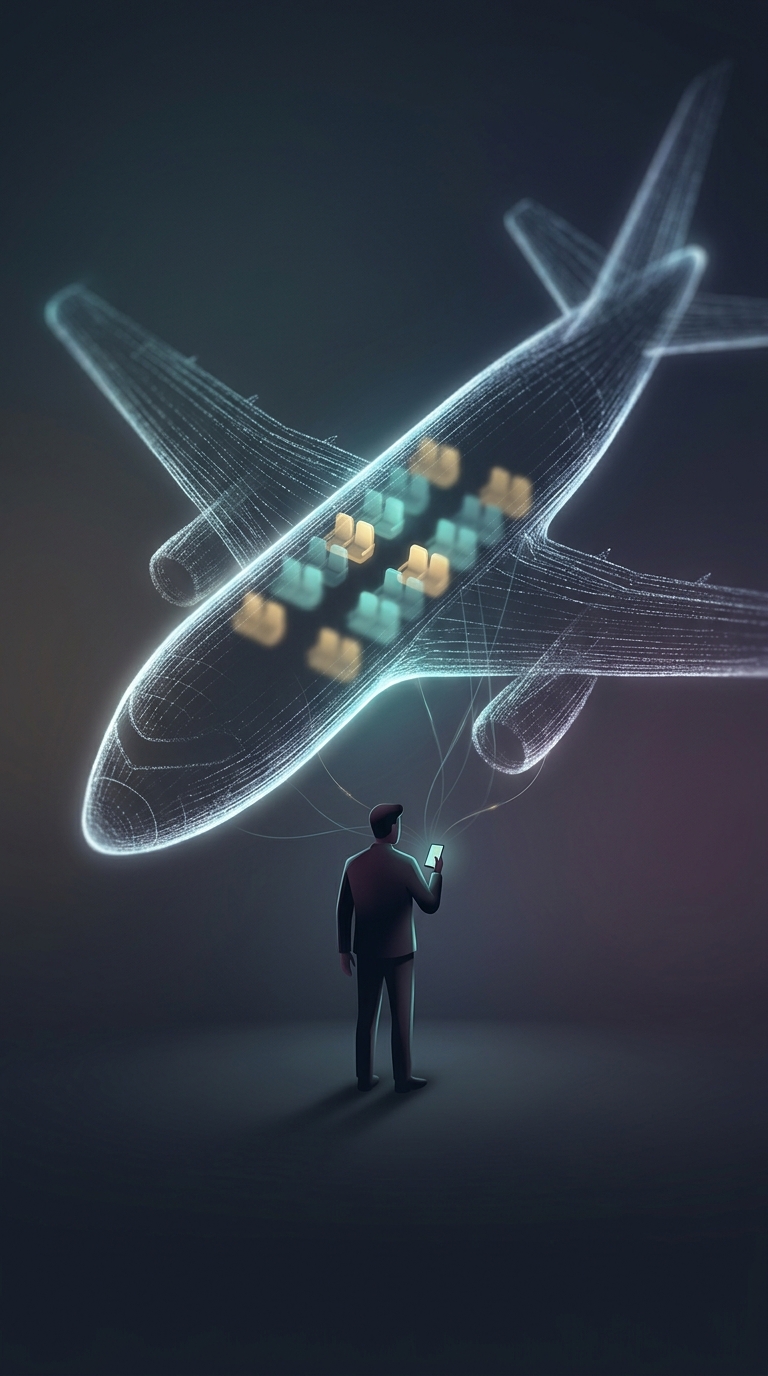
Analyses of past airplane crashes have often found that passengers seated in the rear third of the cabin were more likely to survive than those toward the front. In one widely discussed review of crash records, the middle seats in the rear section had the lowest fatality rate among the seat areas compared. The likely advantage is partly structural: many impacts load the front of an aircraft heavily, while the rear may escape some of that force.
That pattern is an average across a limited set of accidents, not a rule for every crash. A plane can strike the ground, break apart, or catch fire in very different ways; the damage may make one section survivable and another not. So there is no seat that can be called absolutely safest in all circumstances.
Why the middle seat can help
A middle seat puts another seat on either side, providing a small buffer from the cabin wall and aisle. But that advantage matters only if the impact and resulting damage affect the cabin in a way that makes the buffer useful. In a different crash, proximity to an exit—or simply which part of the aircraft remains intact—could matter more.
The practical takeaway is that the rear middle seat has shown a statistical edge in some reviews, but seat location is only one factor and cannot predict an individual outcome. In an emergency, knowing the nearest usable exit and being able to reach it may be more consequential than having chosen a particular row.