How a Mummy Became Drawing-Room Entertainment
The spectacle grew out of a Victorian fascination with ancient Egypt—and a steady supply of Egyptian antiquities reaching Europe. Travelers, dealers, and collectors brought mummies home as prized objects. In an era when archaeology, medicine, and public entertainment often overlapped, unwrapping one could be presented as a lesson about the past as readily as a fashionable diversion.
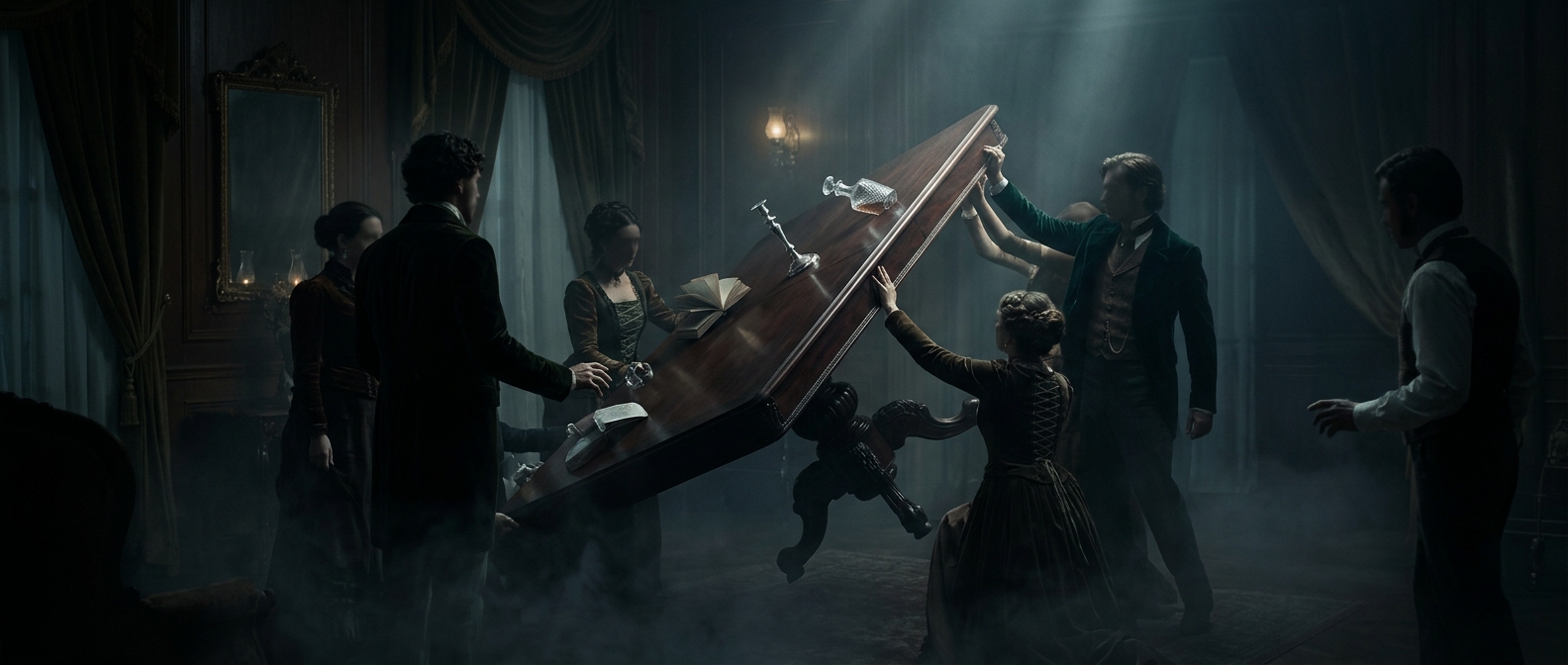
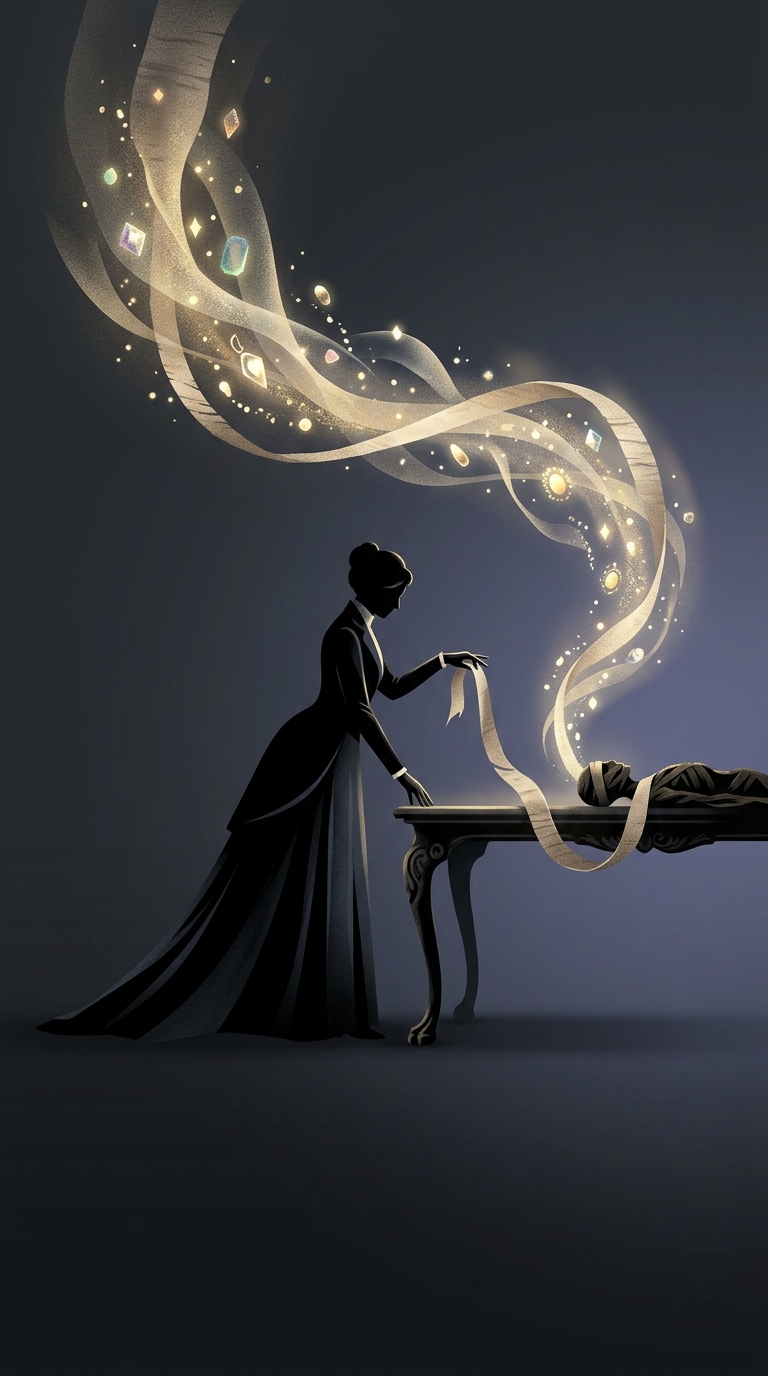
Some unwrappings took place before invited audiences in private homes; others were staged as public demonstrations. The layers of linen made the reveal gradual: each strip removed exposed more of the body and its burial materials. A host could turn that process into a social event, while guests watched for amulets or other objects placed with the dead. The gathering’s appeal lay partly in the collision of refinement and the macabre: an ancient burial opened in the comfort of a modern drawing room.
Curiosity Had a Cost
The practice depended on treating human remains as objects to be acquired and inspected. Many mummies arrived through a trade shaped by colonial power, in which European buyers and institutions gained access to Egyptian antiquities while Egyptians had little control over their removal. Once unwrapped, a mummy’s body and its carefully preserved coverings could be damaged or destroyed, and the original burial context—the clues that help explain how and why someone was buried—was often lost.
That tension is what makes the parties more than a strange tale of Victorian taste. They reveal how readily the period’s appetite for knowledge and novelty could turn someone’s carefully prepared burial into an evening’s entertainment.