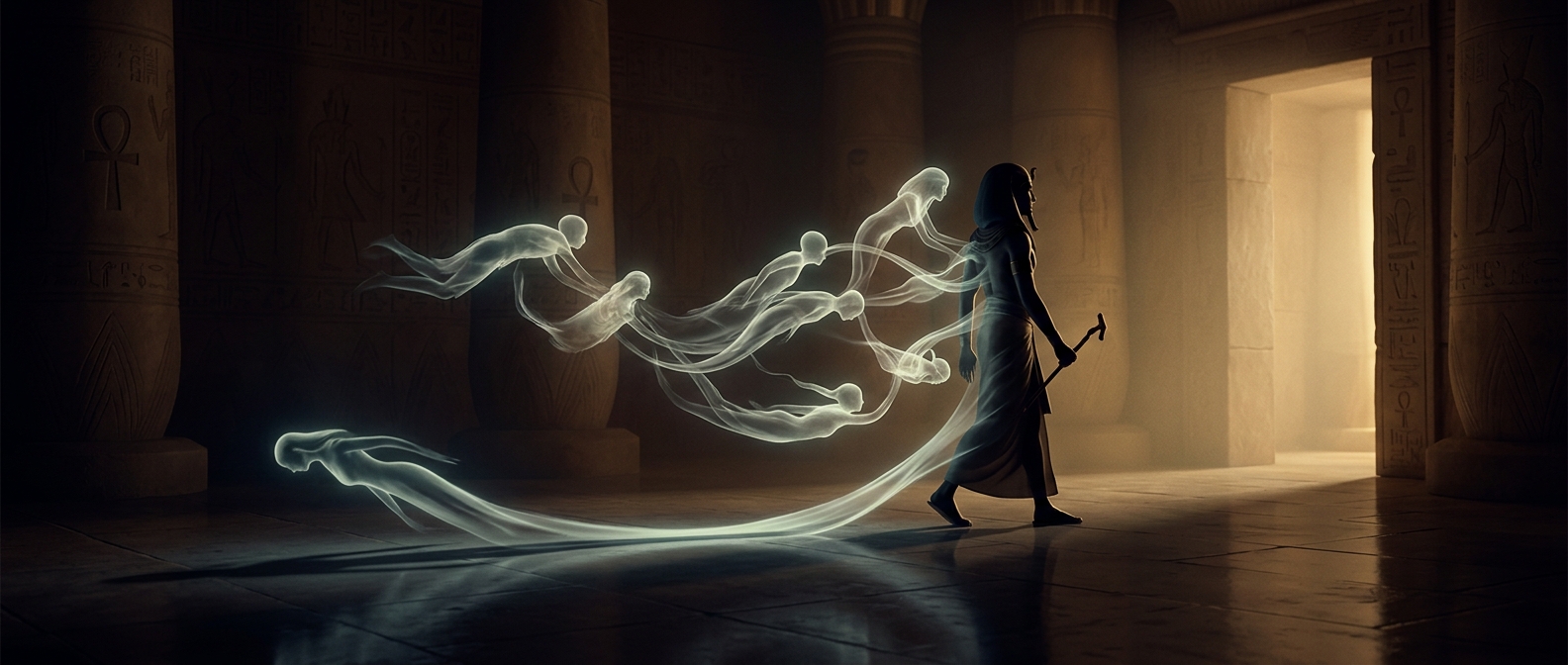
Why an Egyptian shadow could count as part of a person
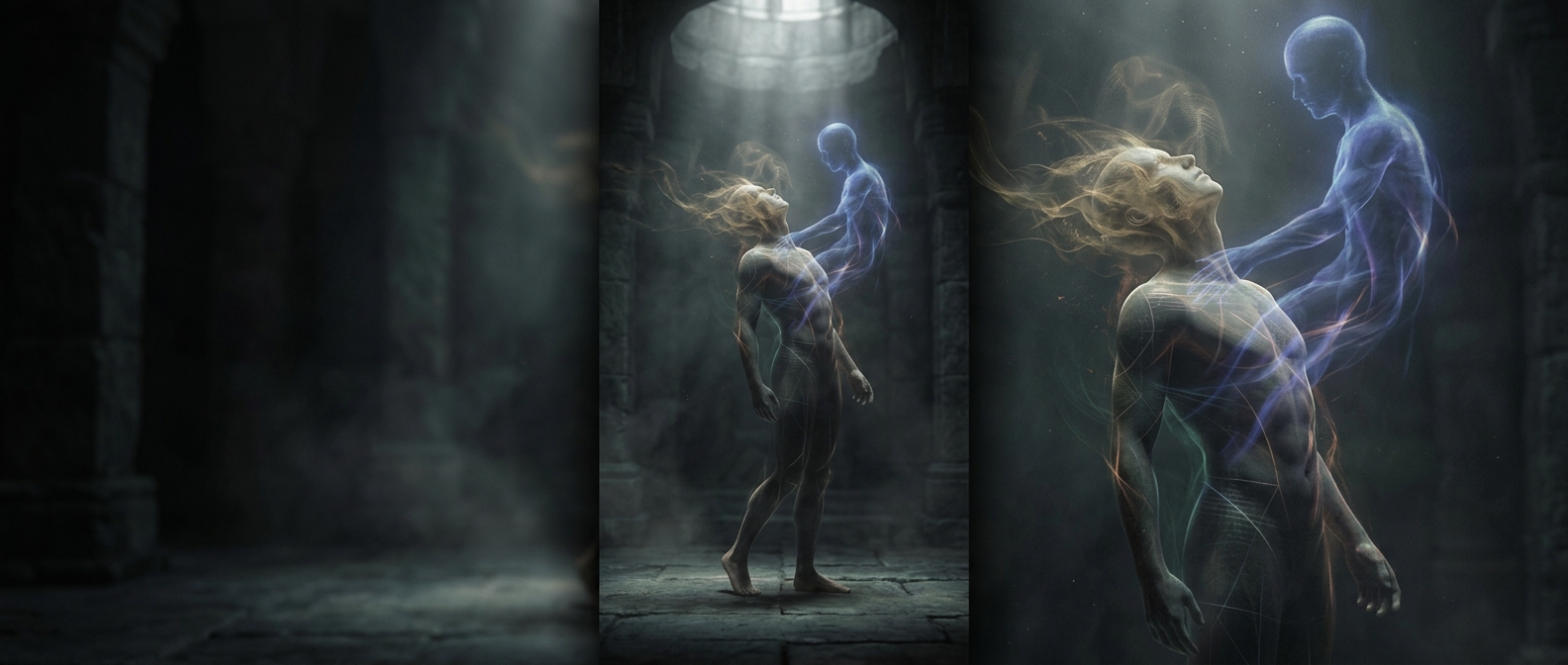
To an ancient Egyptian, a person was not understood as a single, sealed unit. Different aspects of the self could have distinct roles, including after death. The sheut, usually translated as “shadow,” belonged to this broader picture: it was treated as a living aspect of the person, not simply as a patch of darkness cast on the ground.
A shadow depended on the body and on light, so it made an especially visible sign of a person’s presence. That connection helped make it meaningful in a worldview where a person’s identity could extend beyond the physical body. Egyptian accounts describe several components of the self; the sheut was one of them, alongside better-known elements such as the ka and ba. The ways these parts were described could vary across texts and periods.
Protection beyond the body
If the shadow was part of the person, safeguarding it mattered. Egyptian funerary beliefs focused on preserving what a dead person would need to continue existing, rather than treating death as the simple end of an individual. The sheut’s place in that picture helps explain why protection could concern more than the corpse or the name: it could also concern the person’s less tangible aspects.
The idea turns an everyday experience into a striking statement about identity. A shadow was attached to you, yet it could seem to have a presence of its own. In this belief, that familiar outline was not merely evidence that someone stood in the sun—it was one more part of who that person was.