Why the Nevada desert became an alien destination
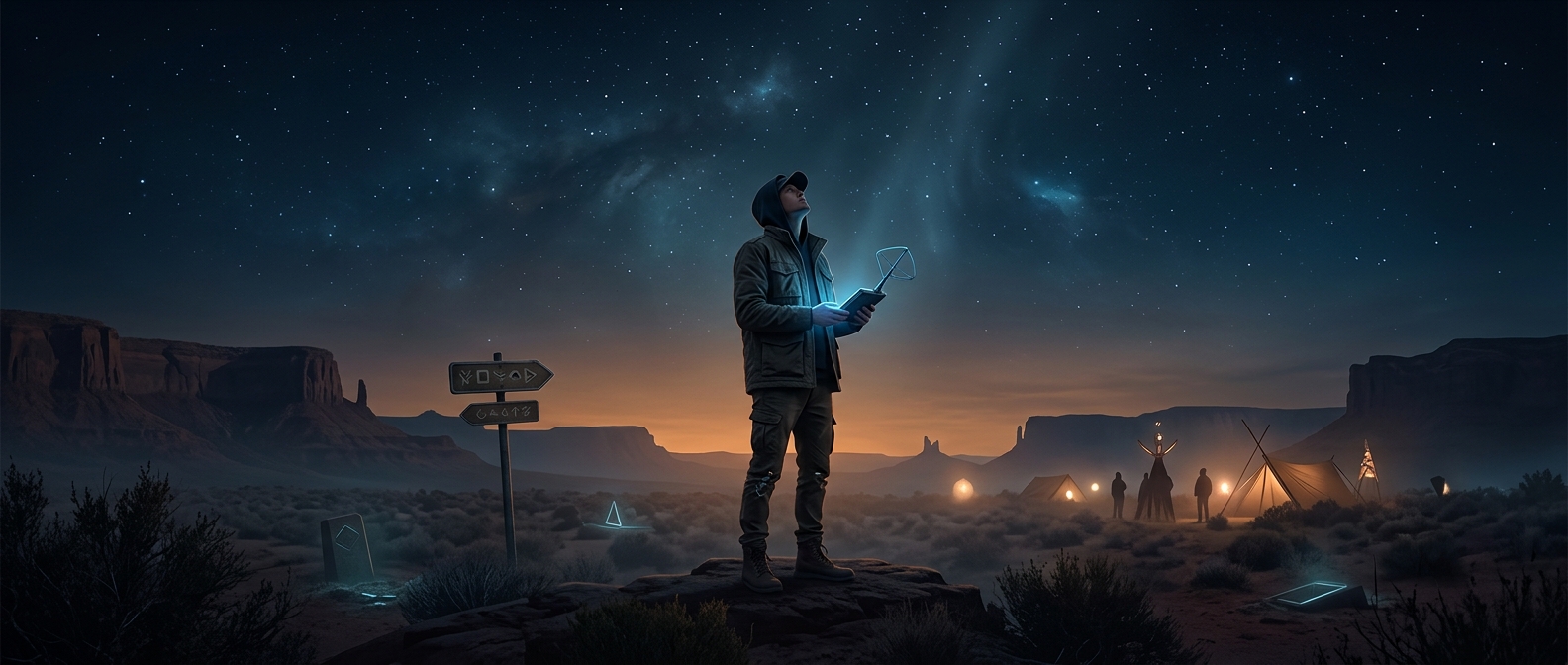
The draw is a rare combination: a secretive military site and a landscape where there is little to interrupt the view—or the imagination. Area 51, the best-known restricted facility in the region, sits beside Groom Lake, a dry lakebed in a remote stretch of Nevada. The base is off-limits, but nearby roads and small communities give curious visitors places to stop and look toward the surrounding desert.
Secrecy leaves room for stories
The facility’s association with classified aircraft testing helped make it a focus of rumors about extraterrestrial technology. The two things are not evidence of one another: military secrecy can make ordinary explanations hard for outsiders to verify, while the empty landscape makes the site feel unusually isolated. That gap between what visitors can see and what they cannot know has helped turn the area into a destination for UFO enthusiasts.
An online joke meets a real place
The viral call to “storm” the base played on that mystique, but the gathering took place near restricted facilities, not inside them. The joke drew attention to a practical reality of desert travel: the places around the base are remote, with limited services and no public access through the security boundary. For locals, a burst of internet-driven tourism can mean visitors arriving in communities built for a much smaller flow of people. The alien spectacle, in other words, happens on the accessible side of a very real fence.