A grievance made into a binding spell
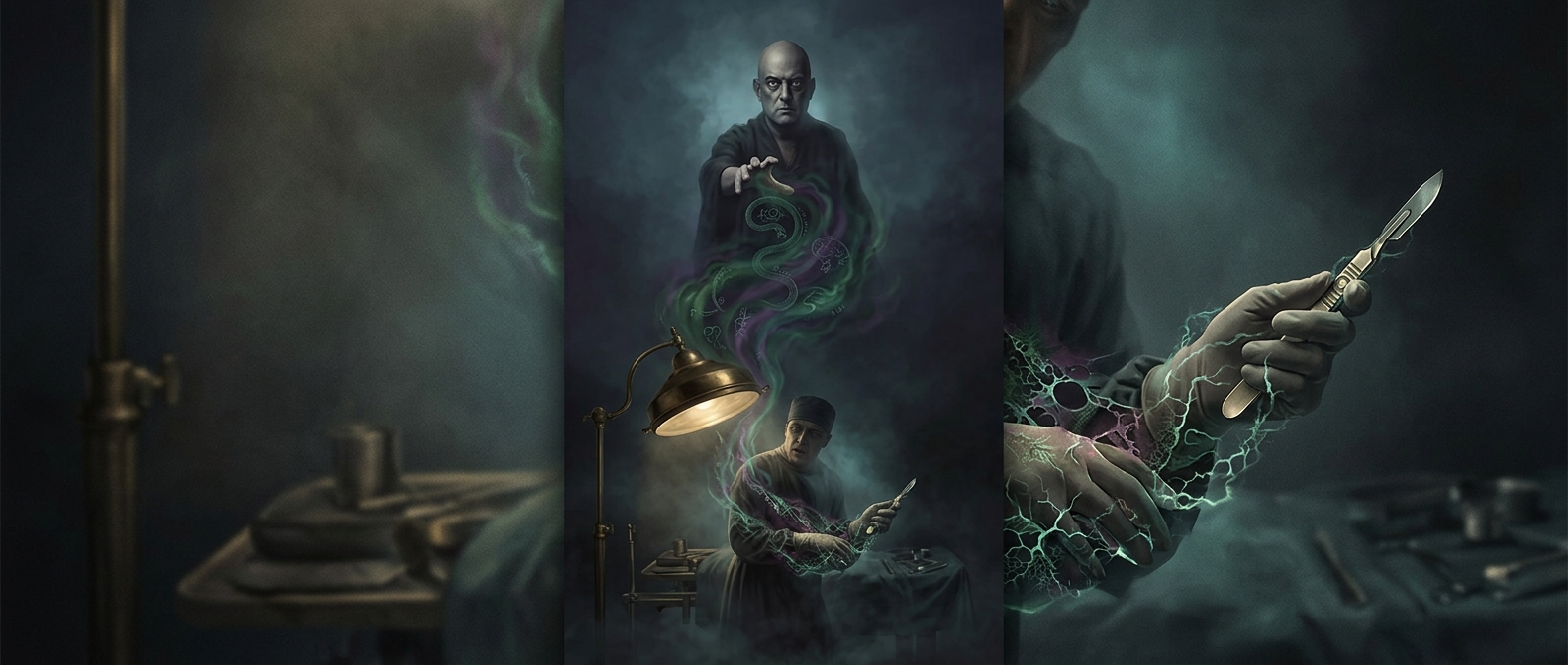
A defixio—the Latin word for a binding curse—turned a private complaint into a written ritual. The writer might name a rival and ask supernatural powers to restrain that person, disrupt an activity, or make them suffer. In some tablets, the target’s name was written alongside the names of body parts or abilities the curse was meant to affect, as if the spell were fastening the whole person in place.
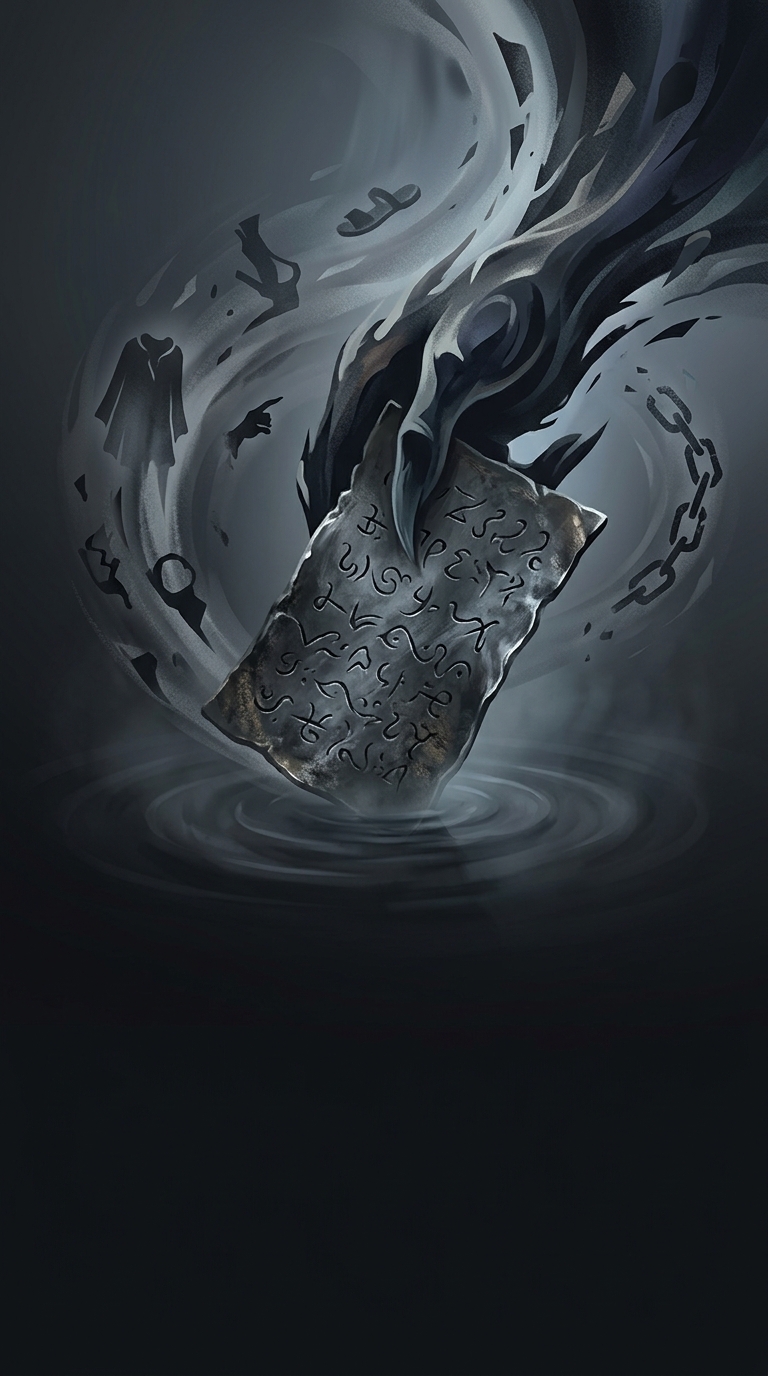
Lead suited the task: it was soft enough to scratch with a point, and a small sheet could be folded or rolled after the words were written. Some tablets were pierced or folded, physical gestures that fit the idea of binding a target. The object was not just a note; its handling helped make the grievance feel like an action.
Why bury a complaint?
Many curses were deposited where the living world met places associated with the dead or with powerful local forces: graves, wells, springs, and other water sites. These were not random disposal spots. A hidden tablet could be imagined as delivering a request to powers below the ground or beneath the water, beyond the reach of ordinary human remedies.
That makes the smallness of many complaints more revealing, not less. A stolen possession, a quarrel, or competition in a public contest could matter intensely to the people involved. When direct confrontation or legal recourse seemed inadequate, a curse offered another route: make the rival’s name—and the grievance—part of a ritual that might reach an unseen authority.
The everyday stakes of magic
These objects do not show that every Roman believed curses worked, or that every dispute led to one. They do show how ordinary frustrations could be expressed in the religious language of the time. The tablet gave a fleeting irritation a durable form: a name scratched into metal, folded shut, and placed where its writer hoped it would be heard.