When a Quiz Became a Performance
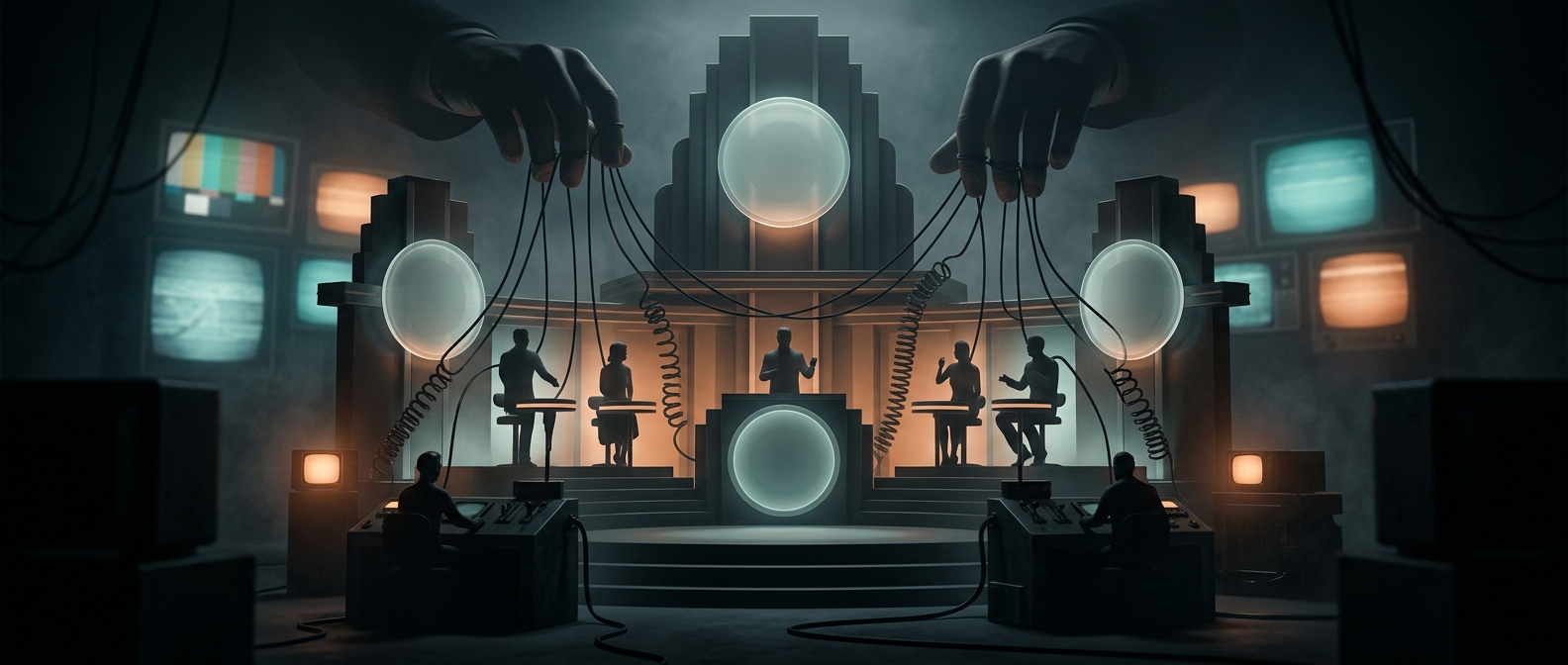
A quiz show appeared to offer a simple bargain: contestants answered questions, and the best answers won. But early television also had to hold an audience’s attention through a camera. Producers could treat a contestant not only as a competitor but as part of the show’s visual appeal—and, in some cases, give attractive contestants answers in advance.
That changed the contest before the cameras even started rolling. A contestant who knew what was coming could deliver confident answers, maintain a winning streak, or help create the impression of a close, suspenseful match. The audience saw uncertainty; producers could shape what happened next.
The Cost of Manufactured Suspense
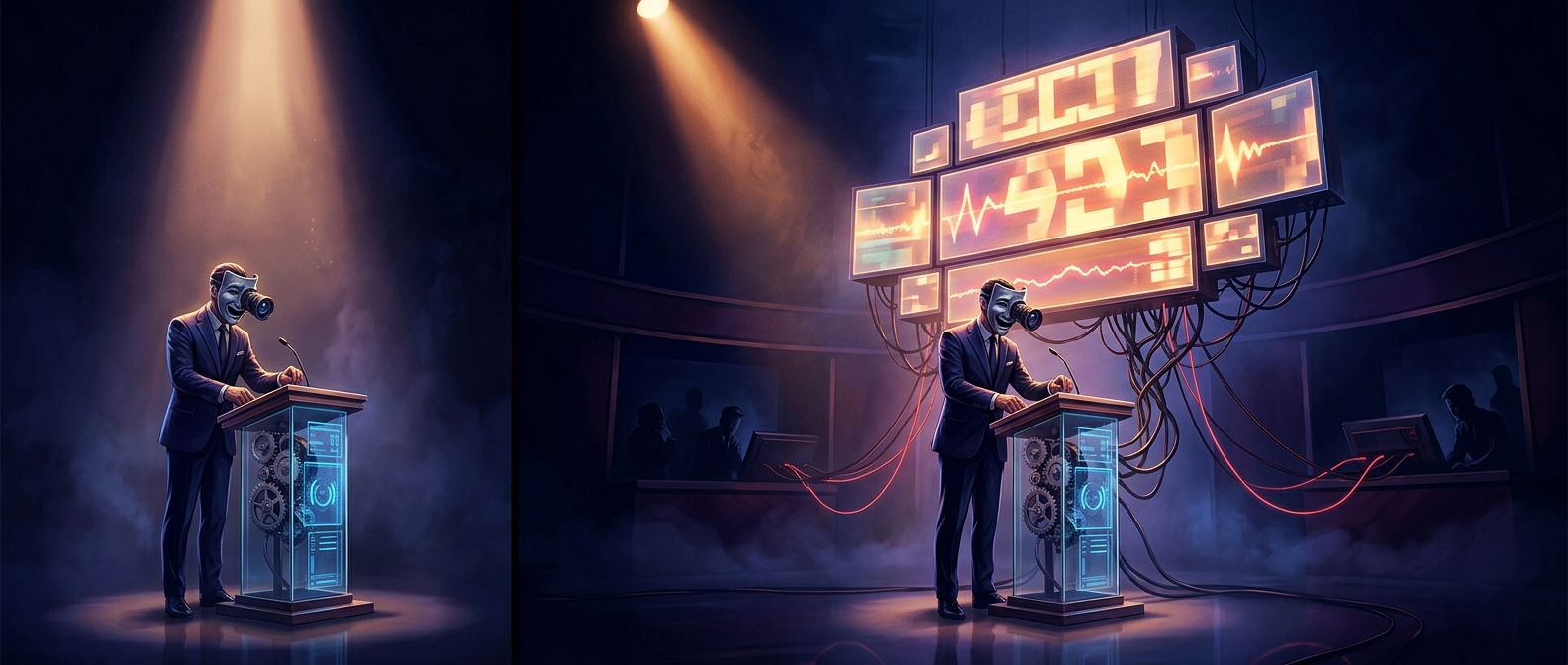
Advance answers turned a quiz from a test of knowledge into a managed performance. Contestants who played fairly faced an uneven contest, while viewers had no easy way to tell whether a polished answer reflected quick thinking or preparation behind the scenes. The format’s promise of fairness was part of its appeal, so manipulating the outcome put that appeal at risk.
The practice also shows how television’s incentives could pull in different directions. A genuinely unpredictable competition might produce awkward pauses or an unexciting result. A producer seeking a stronger spectacle could favor a contestant who looked compelling on screen and guide the action toward a more watchable story. The tradeoff was hidden from viewers: the more carefully the drama was arranged, the less meaningful the competition became.
In a quiz show, the most important advantage might not be knowing more than the other contestants—it might be knowing the answer before the question was asked.