How a quiz became a production
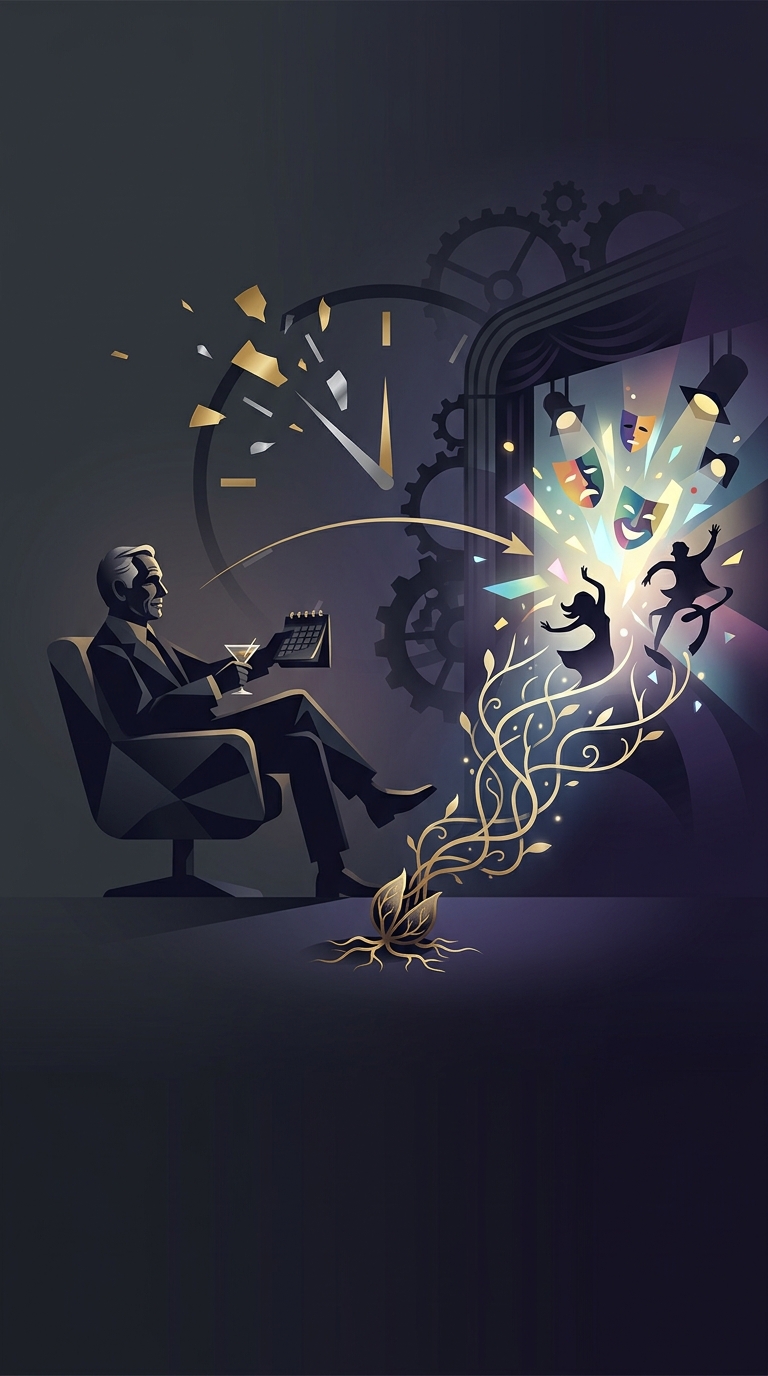
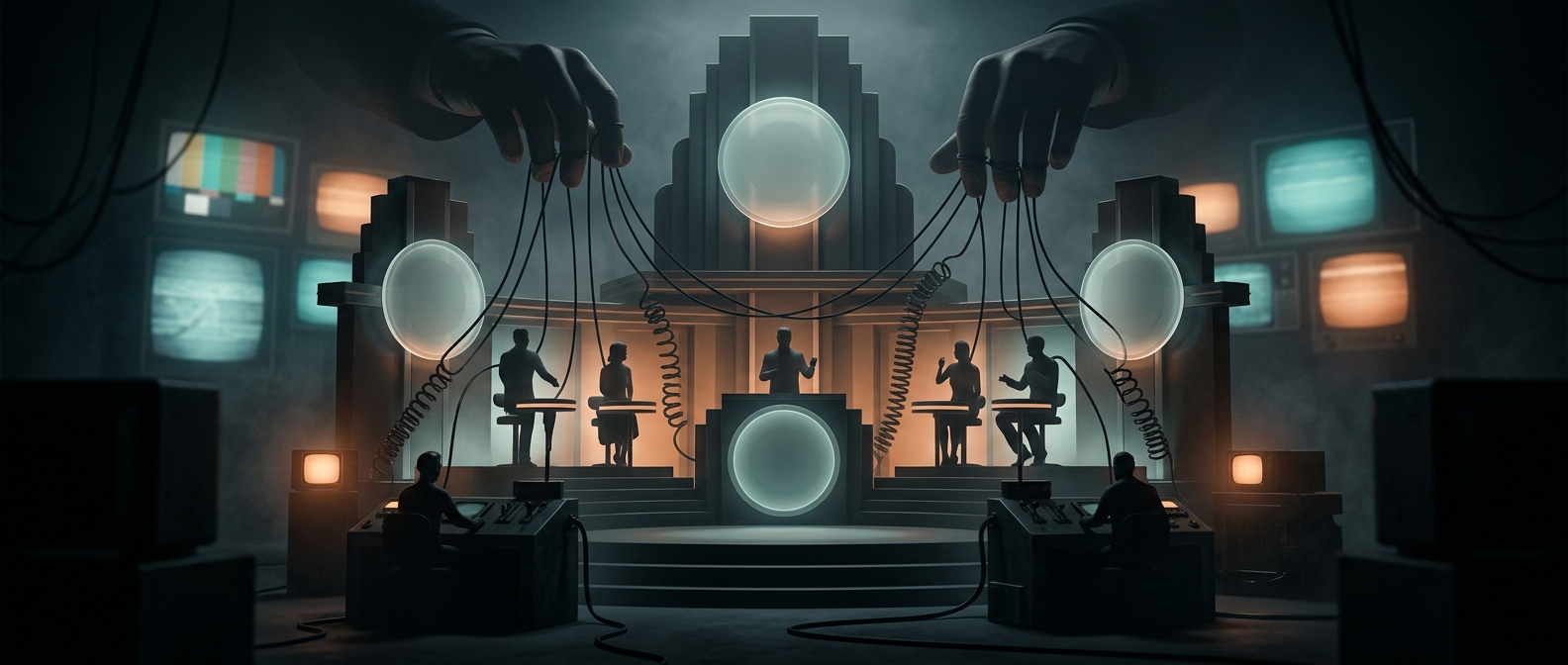
On Twenty-One, the contest was not simply a test of what contestants knew. Producers could decide what contestants would be told before they faced a question, shaping when they appeared uncertain, when they recovered, and how closely the game seemed to unfold. The answers were part of the show’s backstage material, not a fair test shared equally with the audience and players.
That control let producers build a dramatic arc. A contestant could be guided toward a stumble or a comeback, making the contest feel suspenseful even when its outcome was being managed. Viewers saw a live-looking struggle; behind the scenes, the people running the program could steer it.
Why sponsors wanted the suspense
A quiz show offered advertisers more than a place to display a product. It delivered a recurring spectacle that could hold an audience’s attention. Sponsors such as Geritol and Revlon helped pay for that spectacle, while producers had reason to keep viewers watching from one episode to the next. A close contest, a surprising reversal, or a compelling contestant could make the program more engaging—but only if the drama felt real.
The conflict was built into the arrangement: the show needed to entertain, but its appeal depended on viewers believing they were watching an honest competition. Once it became clear that contestants had been supplied answers, the suspense looked less like skill and chance than a performance arranged for the audience.
The cost of a manufactured contest
The scandal did more than expose unfair treatment of individual contestants. It damaged the basic promise of the quiz-show format: that viewers could follow the same contest the players were playing. In a medium still establishing its credibility, a scripted “real” competition made audiences question whether the excitement on screen reflected genuine outcomes—or production decisions made off camera.