Why Orwell’s nightmare felt different on television
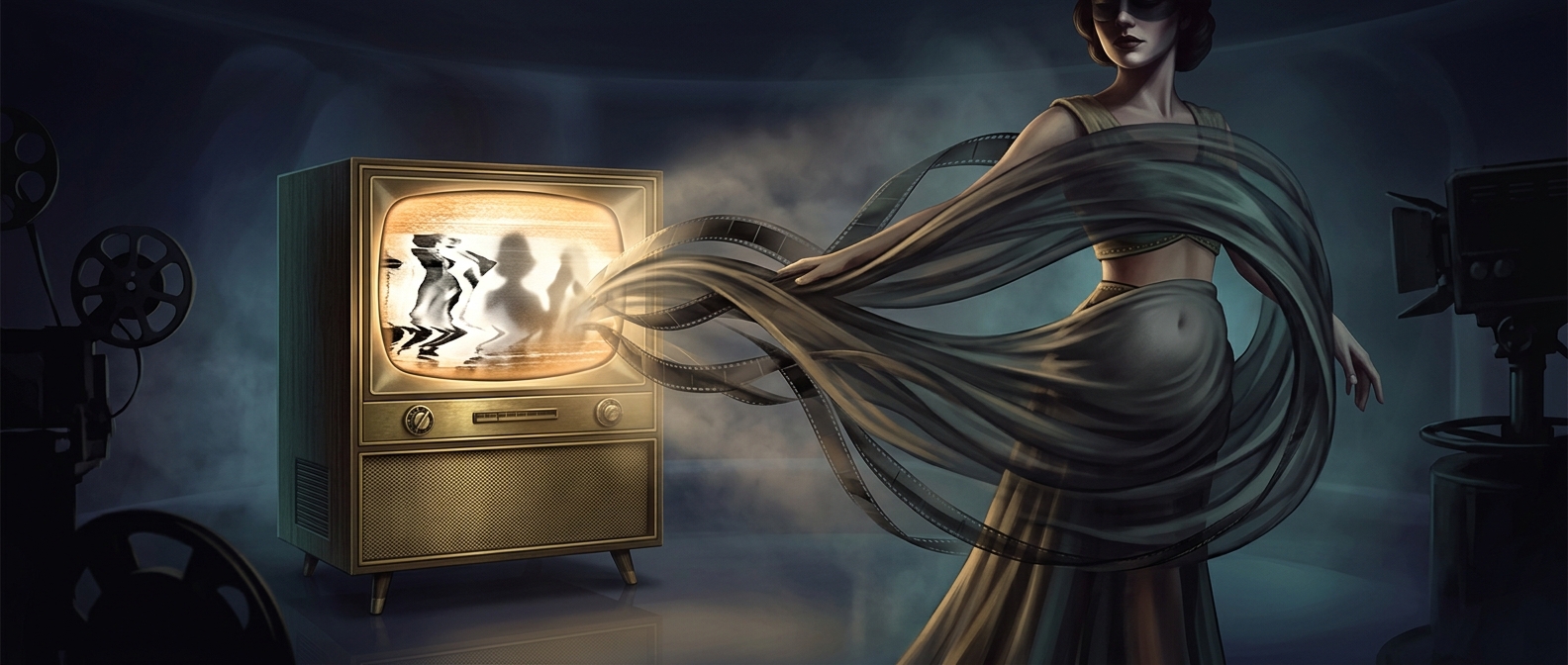
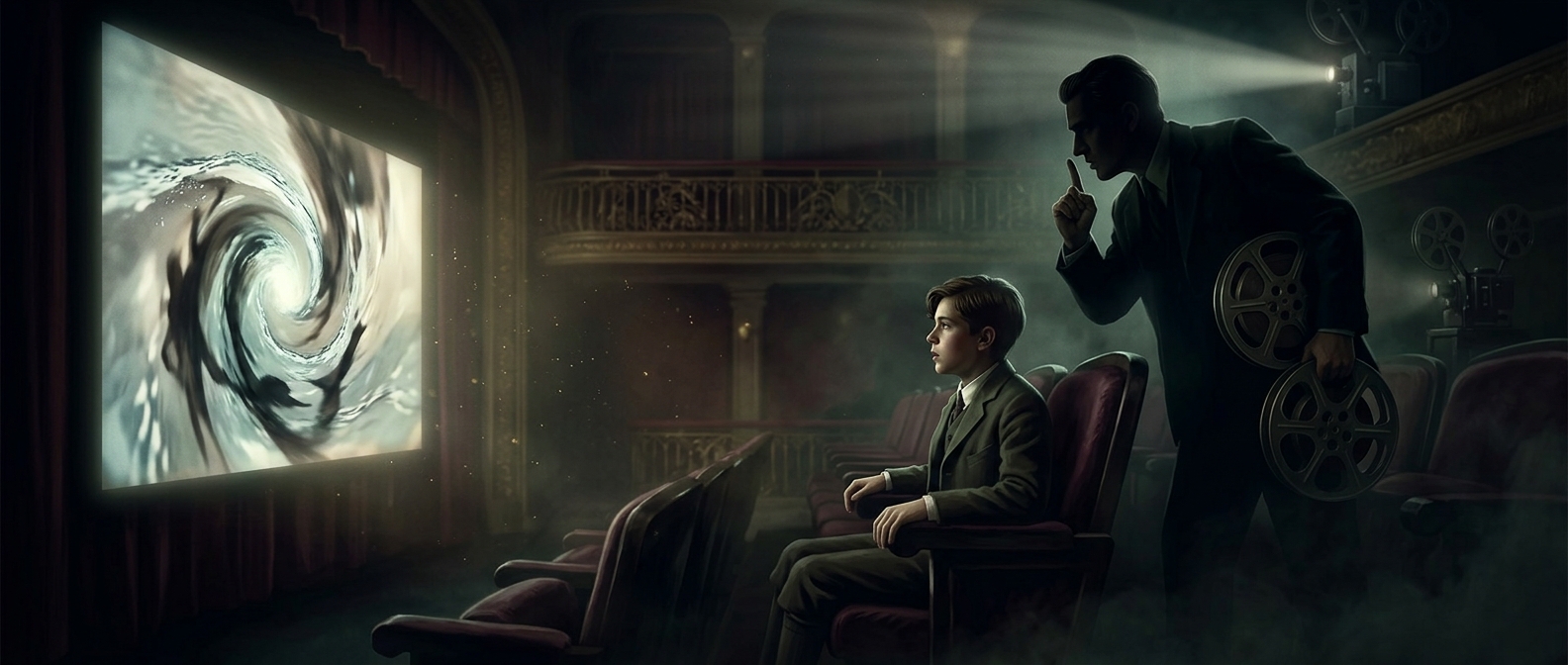
The BBC’s 1954 adaptation of Nineteen Eighty-Four brought a story about state terror into viewers’ living rooms while television itself was still a relatively new household presence. Its power came partly from the contrast: Winston Smith’s private suffering unfolded on a small screen in an ordinary home, rather than at a safe distance on a cinema screen or in the reader’s imagination.
The production was made for live television, a demanding format in which actors performed the drama as it went out. There was no routine of stopping to redo a scene or polishing each moment through later editing. That immediacy suited Orwell’s story: the audience watched events advance toward Winston’s interrogation with the same sense of momentum and limited escape that the character experiences.
When a drama became a public argument
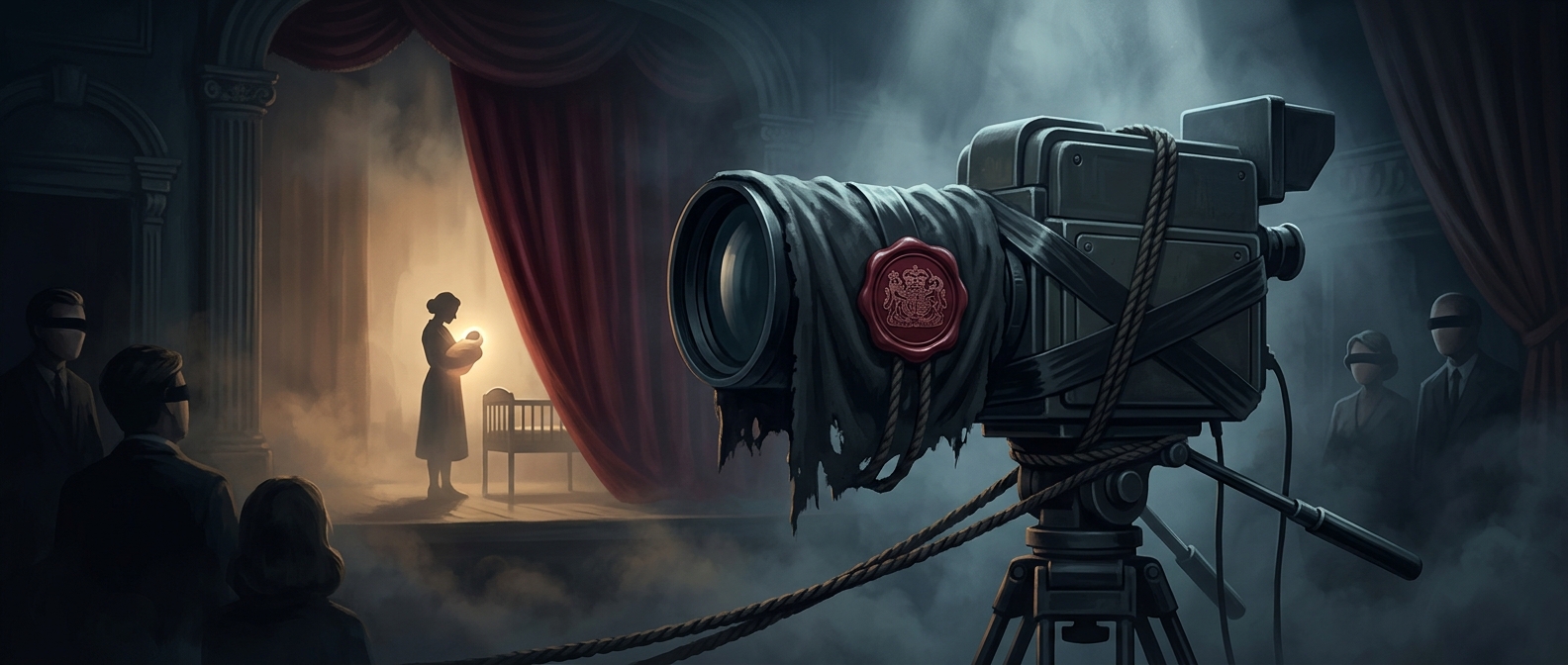
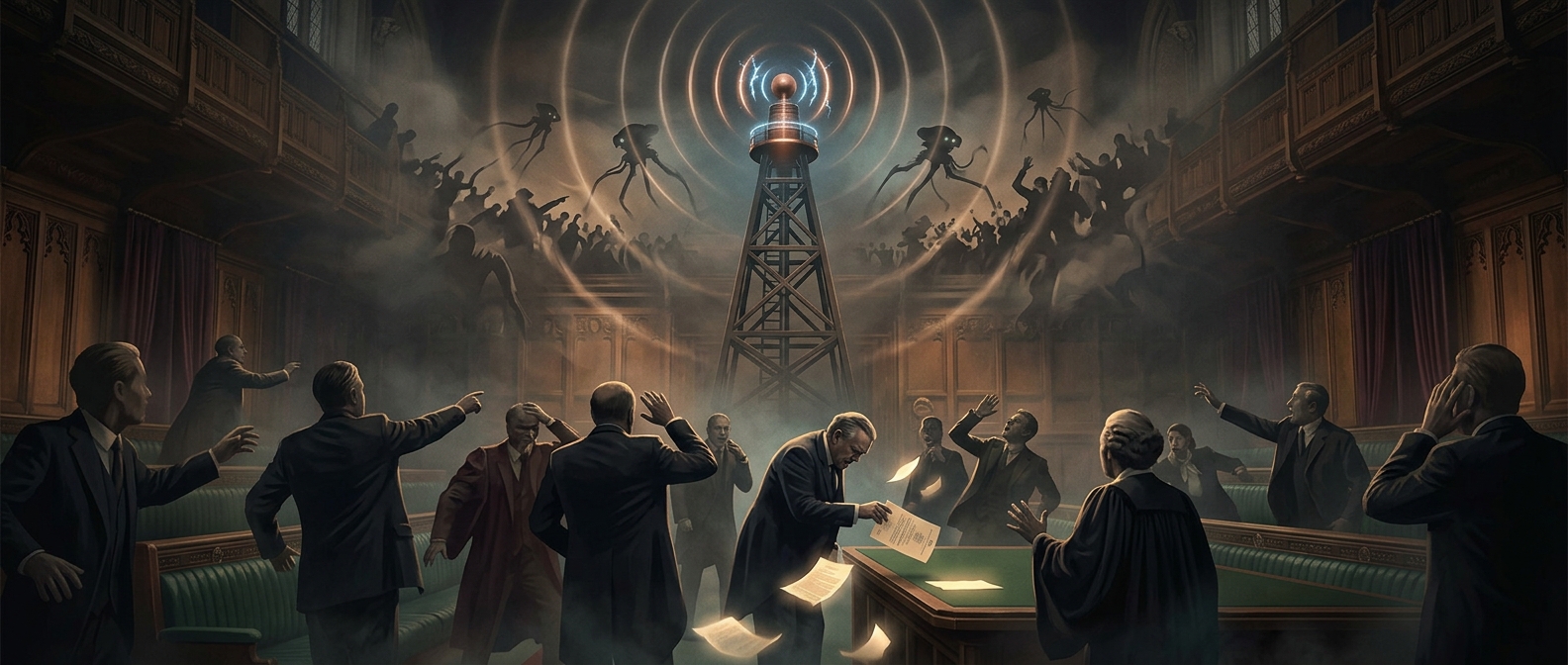
The reaction was not simply about whether the play was frightening. Orwell’s depiction of surveillance, propaganda and state violence invited viewers to consider how much power a government should have—and whether showing such material on a mass-audience broadcast was responsible. Parliament debated the adaptation’s disturbing content, turning a television drama into a question of public taste and the BBC’s role in deciding what belonged in people’s homes.
A viewer was reported to have died of a heart attack while watching. The report became part of the story surrounding the broadcast, though it should not be treated as proof that the programme caused the death. Its lasting significance lies in the unusual intensity of the response: a fictional warning about political control prompted real arguments about broadcasting, audiences and the limits of television drama. The screen had made Orwell’s imagined world feel close enough to provoke a debate beyond the living room.