A studio squeezed into a bus
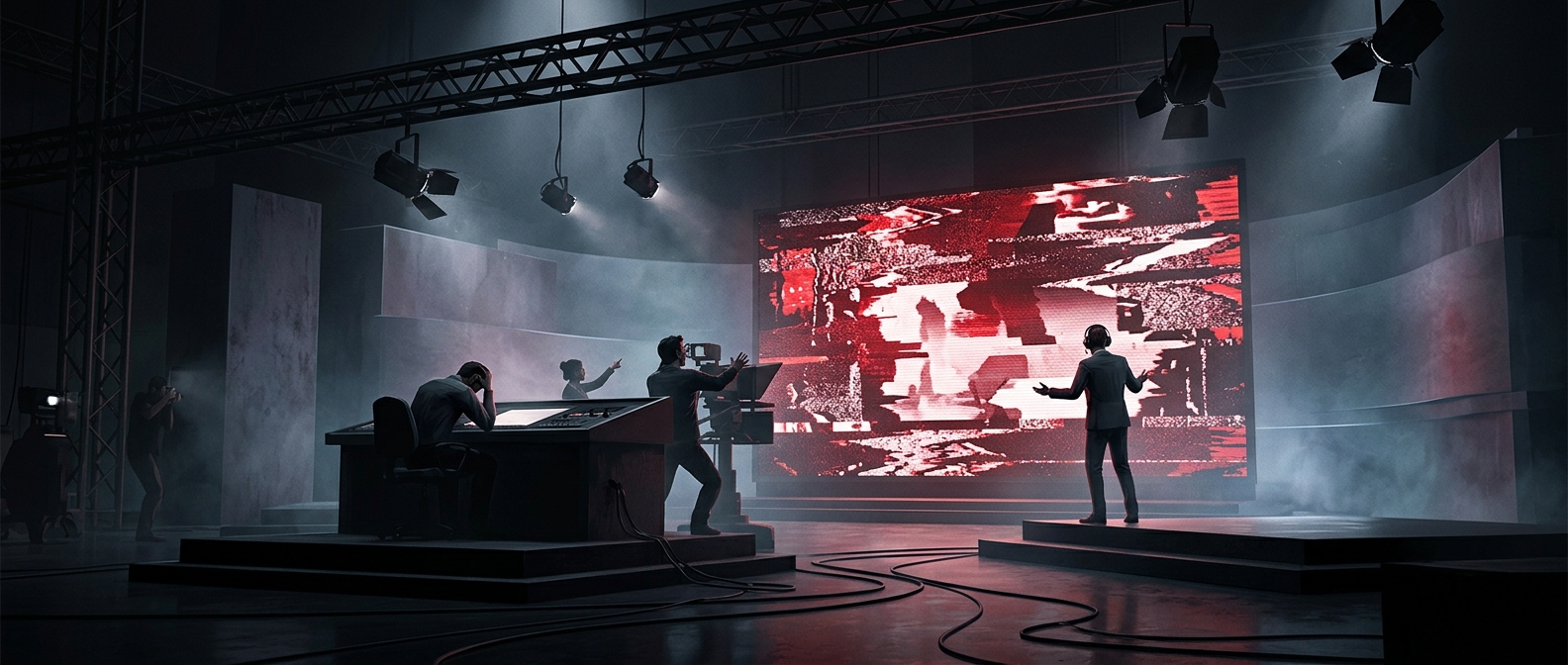
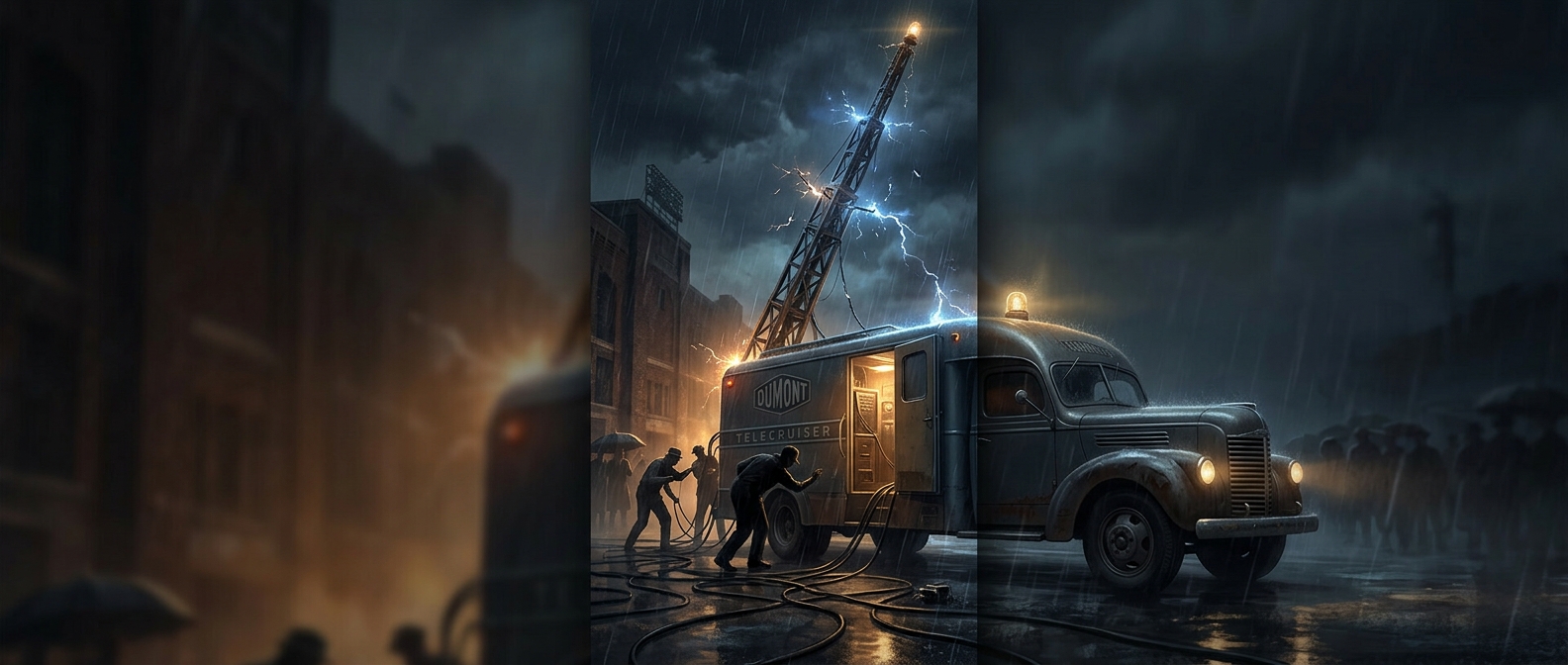
The Telecruiser’s central challenge was not simply getting cameras onto the road. It had to carry the equipment and connections needed to produce a live television program in a space designed to move, not to function as a control room. The result was a working studio compressed into a bus, with equipment linked by miles of heavy cable.
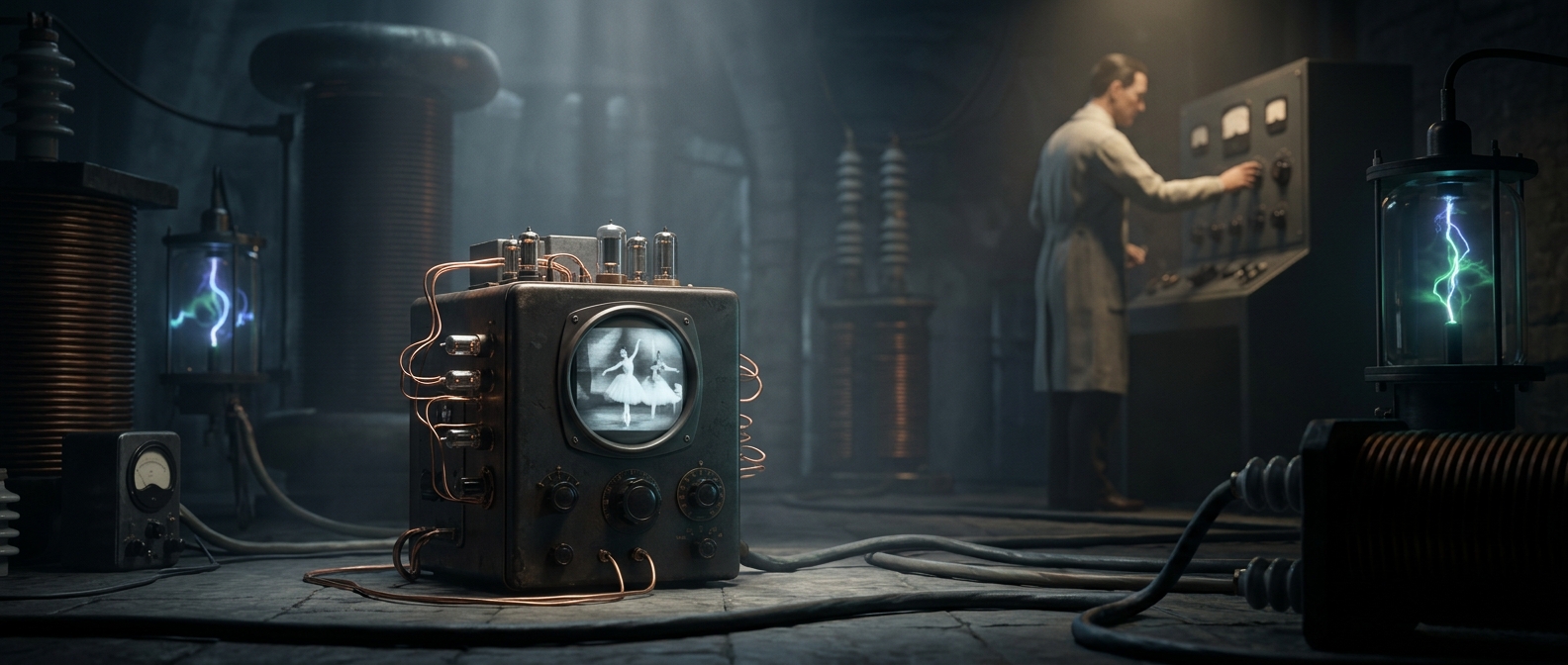
Those cables made the system cumbersome, but the heat came chiefly from the electronics. Early television equipment relied on vacuum tubes: glass components that controlled electrical signals by guiding electrons through a vacuum. They could amplify and process the signals a live broadcast required, but they also consumed substantial electrical power and released much of it as heat.
When broadcast equipment became a heat load
In a roomy studio, hot equipment could be spread out. Inside the Telecruiser, technicians and machinery shared a confined enclosure. The tubes kept giving off heat while the crew worked, and the dense arrangement left less space for that heat to disperse. The cables added to the physical crowding, making an already cramped workplace harder to manage.
That combination turned a clever mobile studio into a difficult environment for the people operating it. The Telecruiser showed the tradeoff behind early live television on the move: the more of a studio’s capability engineers packed into one vehicle, the more electrical power, wiring and heat they had to accommodate. A live broadcast could travel—but the technicians had to work inside the machinery that made it possible.