Why CNN Airport kept crashes off the screens
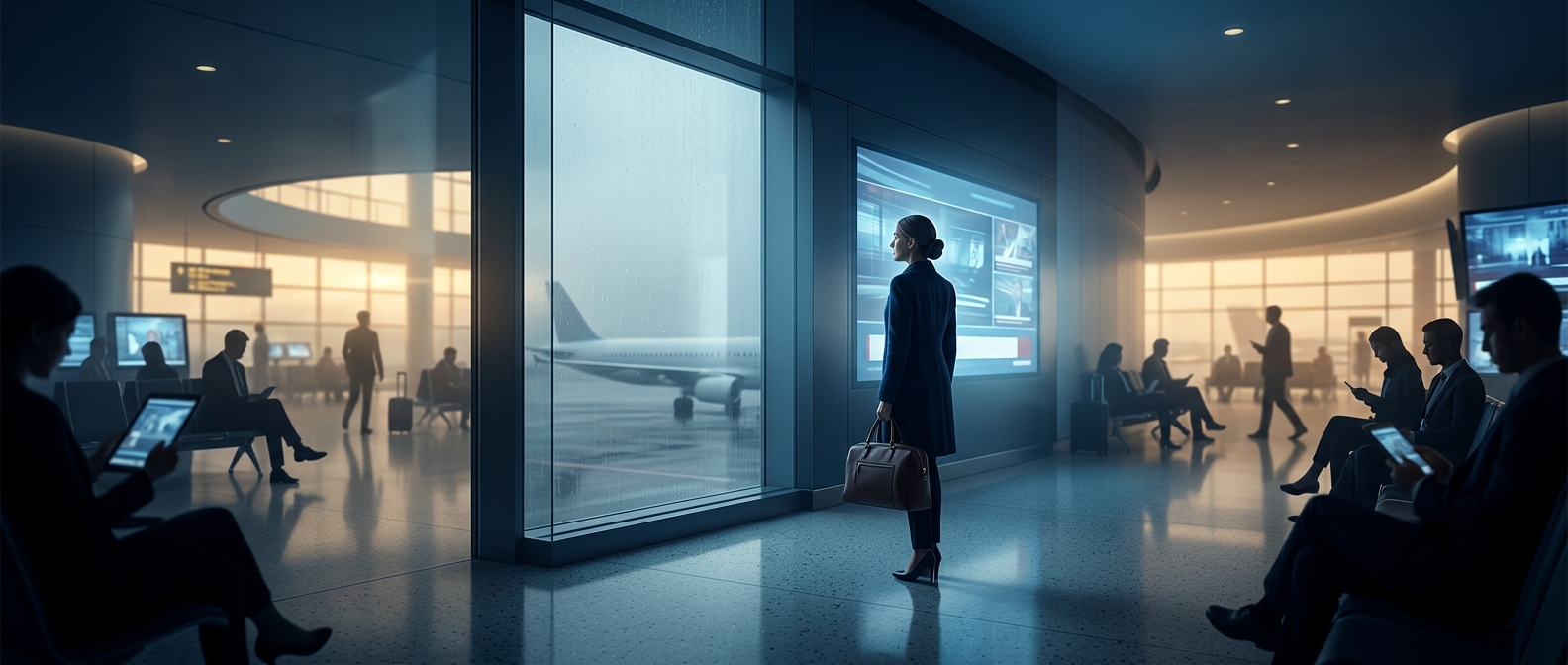
A plane crash is not just another breaking-news image for someone waiting to board. In an airport gate area, viewers are surrounded by the very thing the coverage depicts: aircraft, departure boards and people preparing to fly. A frightening story can therefore feel immediate, even when it is happening far away.
CNN Airport’s restricted lineup reflected that setting. The service was meant to bring news into gate areas without turning routine waiting time into a stream of alarming or graphic images. Avoiding crash coverage was an editorial choice about what belonged in that particular public space—not a claim that aviation accidents were unimportant.
The audience changed the meaning of the news
The same report can land differently depending on where it is watched. At home, a crash story is one item among many. At a gate, it can prompt a traveler to picture the flight ahead, while nearby passengers may be trying to stay calm or help children pass the time. Graphic footage could intensify that reaction without giving those viewers information they needed to make a decision.
That made the channel’s limits part of its design. CNN Airport still offered news, but it had to serve an audience with a specific, temporary context: people waiting to travel, often with little control over the schedule. The consequence was a version of television shaped not only by what was happening in the world, but by what viewers were about to do next.