When the Words Disappear on Live TV
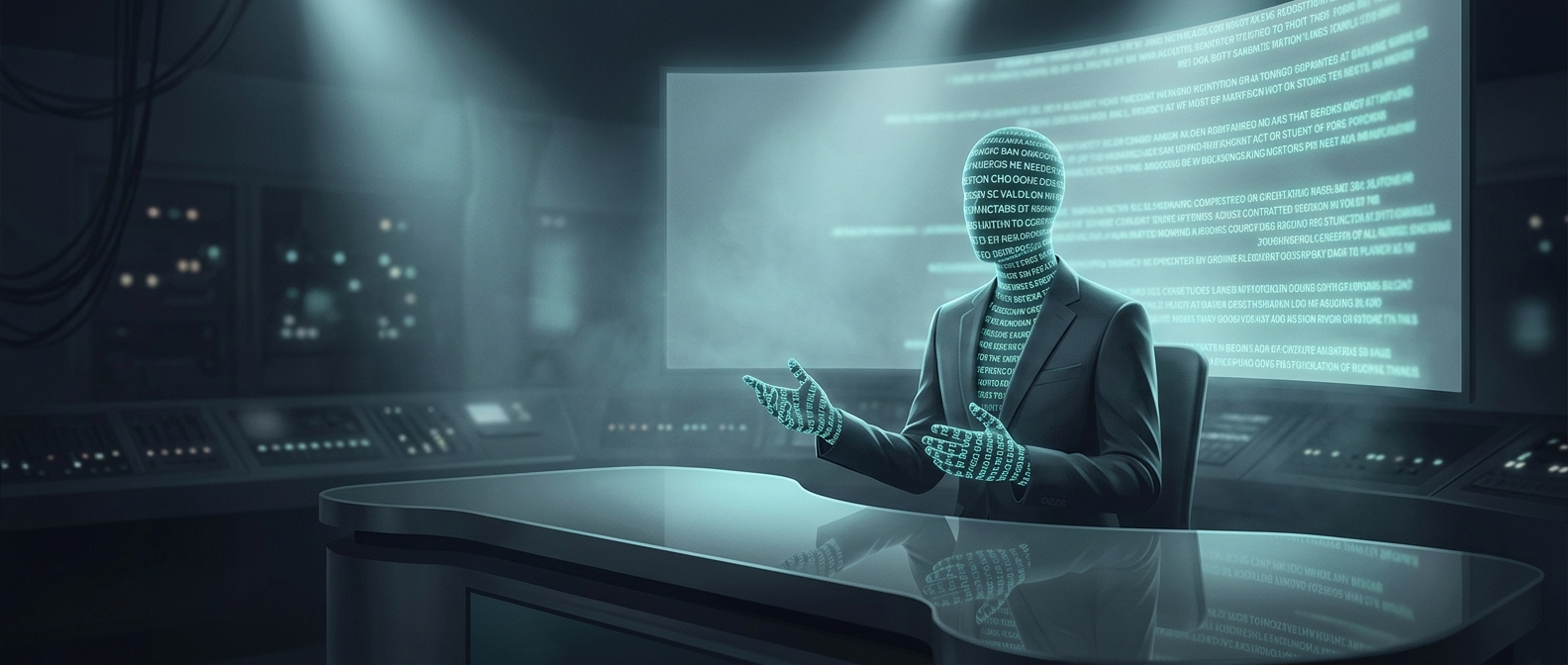
A teleprompter is a screen that displays a script close to the camera lens, letting an anchor read while appearing to look directly at viewers. The text usually advances at a pace matched to the speaker. If the display freezes, goes blank, or moves out of sync, the anchor loses the next prepared line—but the broadcast itself keeps moving.
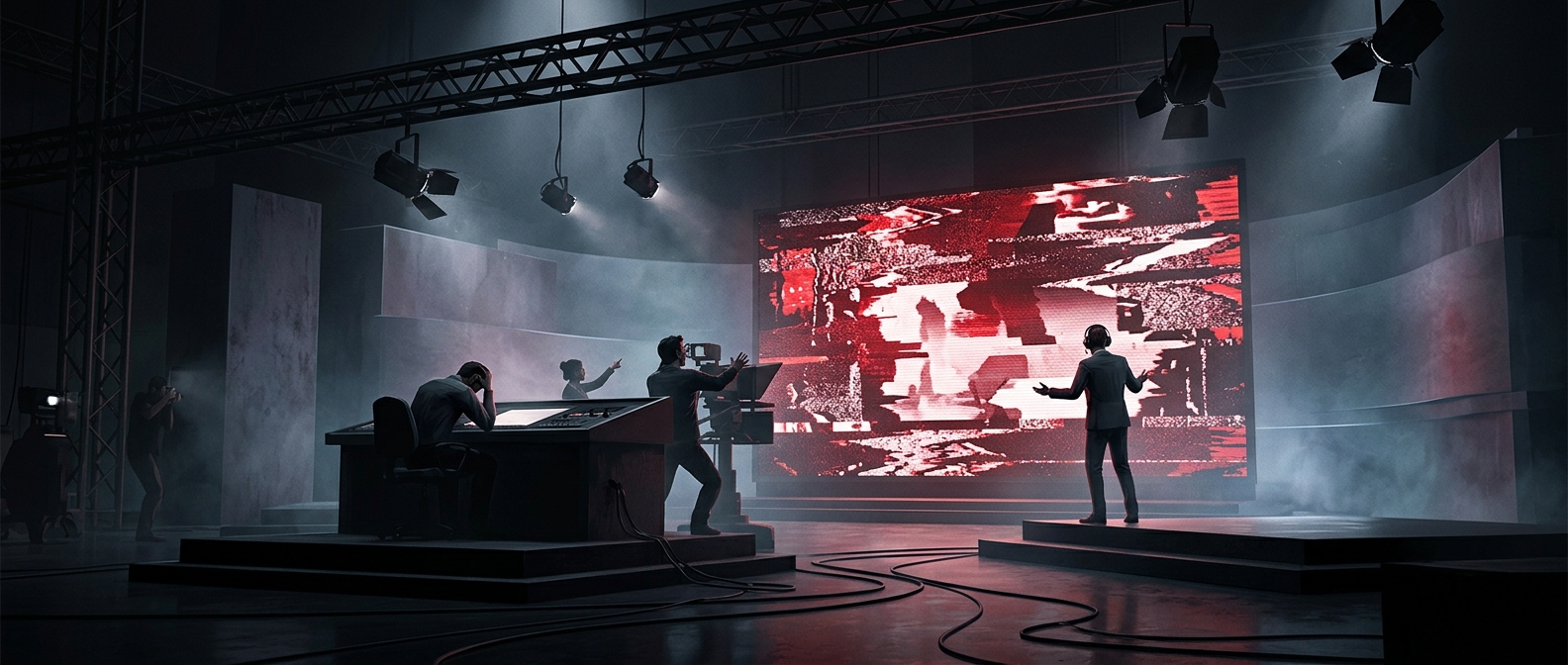
That creates a particular kind of pressure: the anchor must keep speaking while figuring out what information is still available. They may remember the story’s main point, glance down at printed notes, or listen for instructions from the control room through an earpiece. None is a perfect substitute. Notes can be hard to find at a glance, and a producer’s directions may arrive while cameras and studio staff are already responding to the problem.
Keeping the Program Moving
The goal is not necessarily to reproduce the script word for word. An anchor can summarize what is known, introduce a reporter who has more detail, or move to another prepared item. Behind the scenes, producers can adjust camera shots, cue a different segment, or take a break if the program’s format allows it. These options buy time, but they depend on what material is ready and how quickly the crew can coordinate.
A smooth recovery can make the failure nearly invisible; a rough one exposes the teamwork normally hidden by the polished presentation. The anchor is only the most visible part of that response. In live television, staying on air is a shared improvisation between the person speaking and the crew deciding what viewers see next.