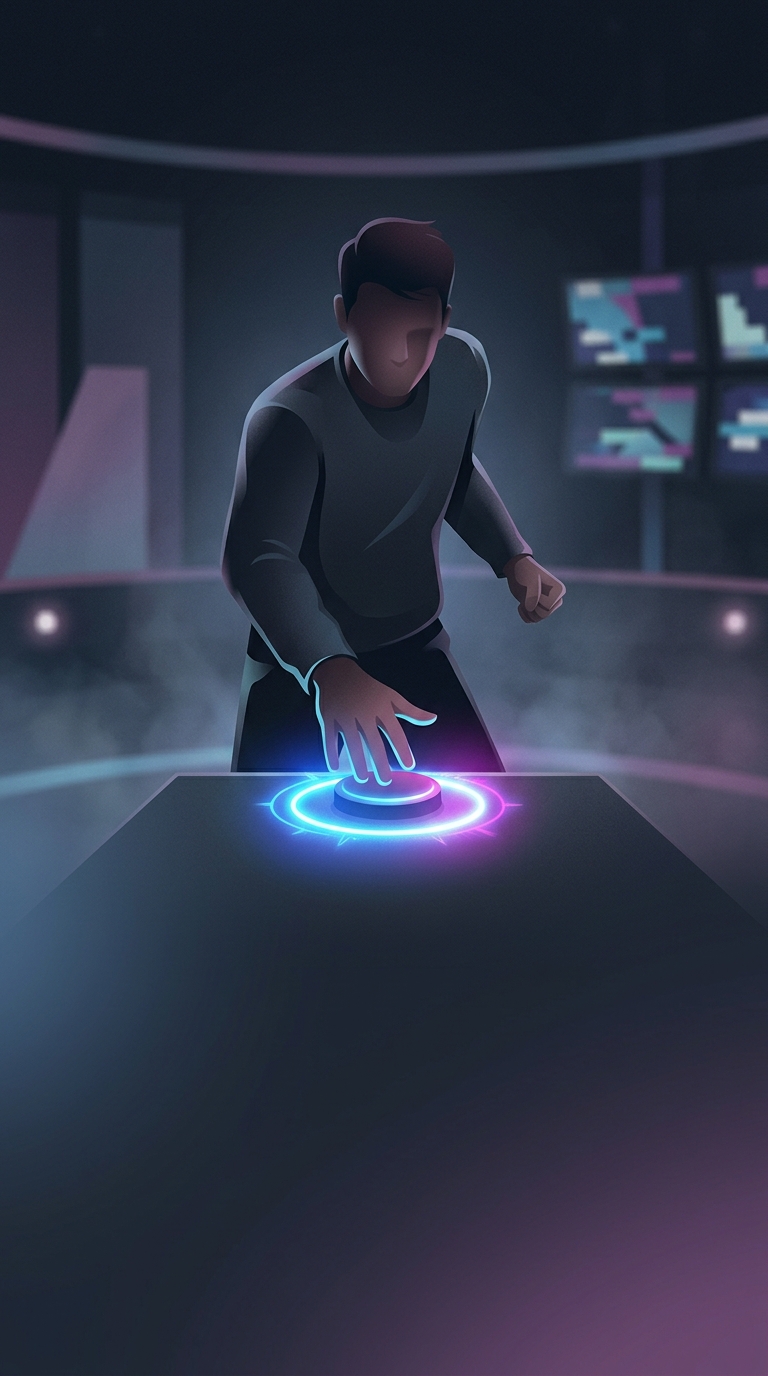
The Buzzer Is a Race Against a Tiny Delay
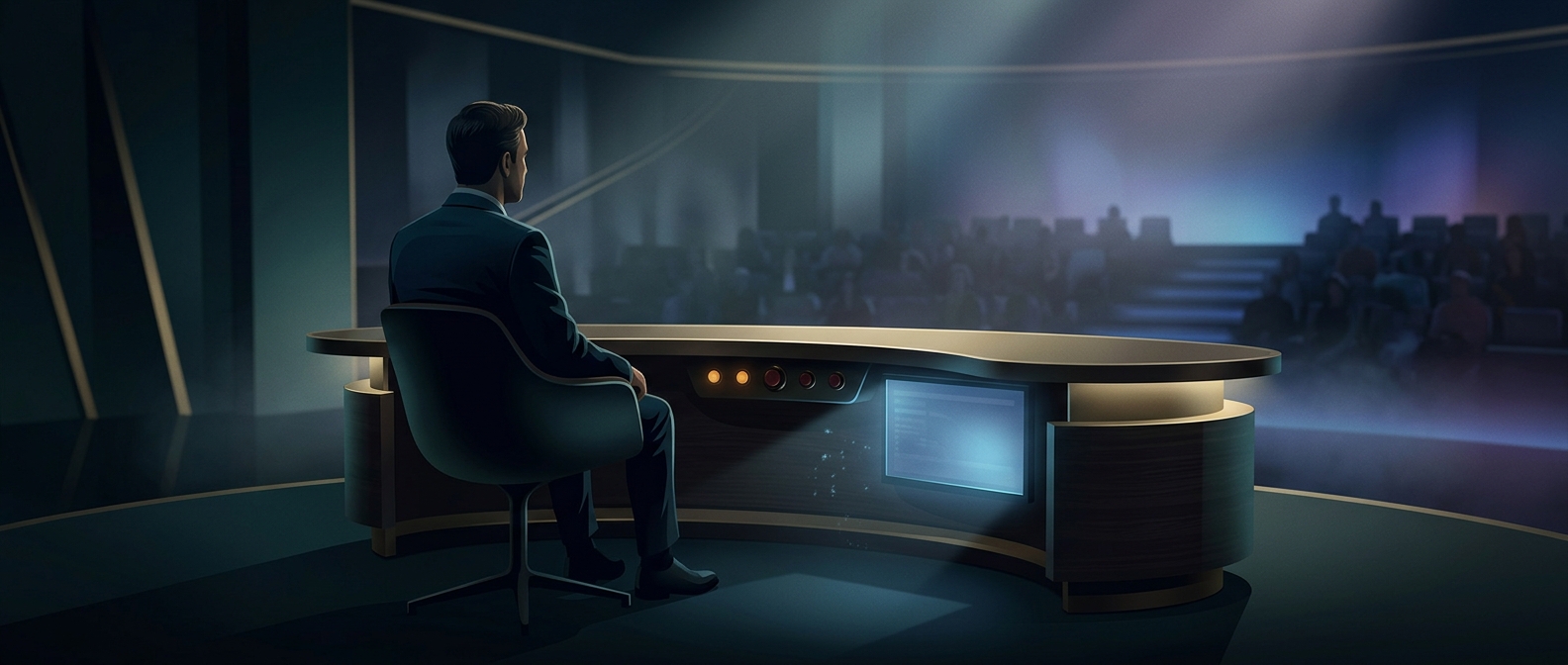
On many quiz shows, the host must finish reading a question—or a designated signal must sound—before contestants are allowed to buzz. The button is connected to a lockout system: once one contestant’s signal registers, the system blocks the others and identifies who got in first.
That creates a narrow window in which timing matters more than sheer speed. A contestant has to hear the cue, decide to act, and move a hand to the button. Even a fraction of a second can separate two people who seem to press at nearly the same moment.
Why Press It Again and Again?
The rapid-fire mashing is often an attempt to catch the instant the system opens. Contestants may begin pressing just before the expected cue, then keep tapping so a press lands as soon as buzzing becomes legal. Repeated presses can also reassure a player that the button has made contact, especially amid the noise and pressure of a live game.
But the machine is not counting how many times someone presses. If the system accepts a signal only after the cue, extra taps do not make an early press count retroactively; if a contestant has already locked in, more presses cannot improve that response. The frantic motion is less a secret trick than a visible expression of uncertainty about timing.
What the Audience Sees
To viewers, the burst of button-mashing looks like pure reflex. In practice, it is a contest between anticipation and control: press too soon and the system may reject the attempt, wait too long and an opponent may get there first. The buzzing hand is racing not just another person, but the moment the game’s electronics are ready to listen.