How Pretty in Pink changed its final choice
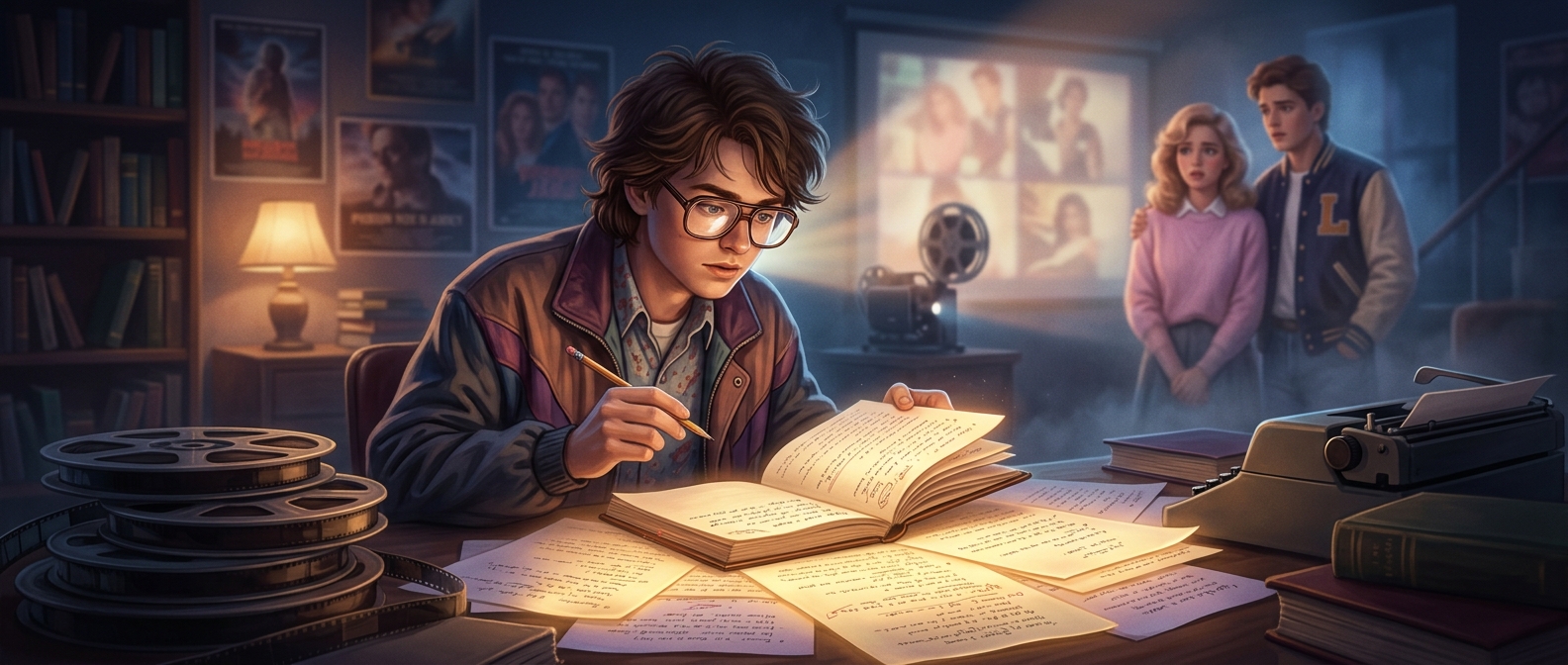
In Pretty in Pink (1986), high-school outsider Andie is caught between two very different boys: Duckie, her loyal, eccentric best friend, and Blaine, a wealthy, popular classmate. The ending originally paired Andie with Duckie. After test audiences reacted badly to that outcome, the filmmakers changed the finale so she chose Blaine instead.
A test audience is a group invited to watch a film before its public release and share reactions. Those responses can reveal when a story’s ending feels satisfying—or, as the filmmakers judged here, wrong for the characters and the audience’s expectations.
A romantic choice became a production decision
The change did more than swap one date for another. Duckie’s devotion made him seem like the natural reward for Andie’s affection, but that logic risked turning friendship and persistence into a guarantee of romance. Blaine’s choice, by contrast, gave the story’s central couple a chance to overcome the class divide that had kept them apart.
The revised ending required the filmmakers to bring the cast back to shoot new material. That made the audience response unusually visible: a screening-room reaction altered not just a few lines, but the relationship the movie ultimately endorsed.
The result also left a lasting debate among viewers. Some see Duckie as the more appealing match; others think Andie should be free to choose someone without owing her best friend a romance. Either way, the final pairing shows how a test screening can shape a film’s meaning as well as its ending.