The Wind That Could Not Be Edited Away
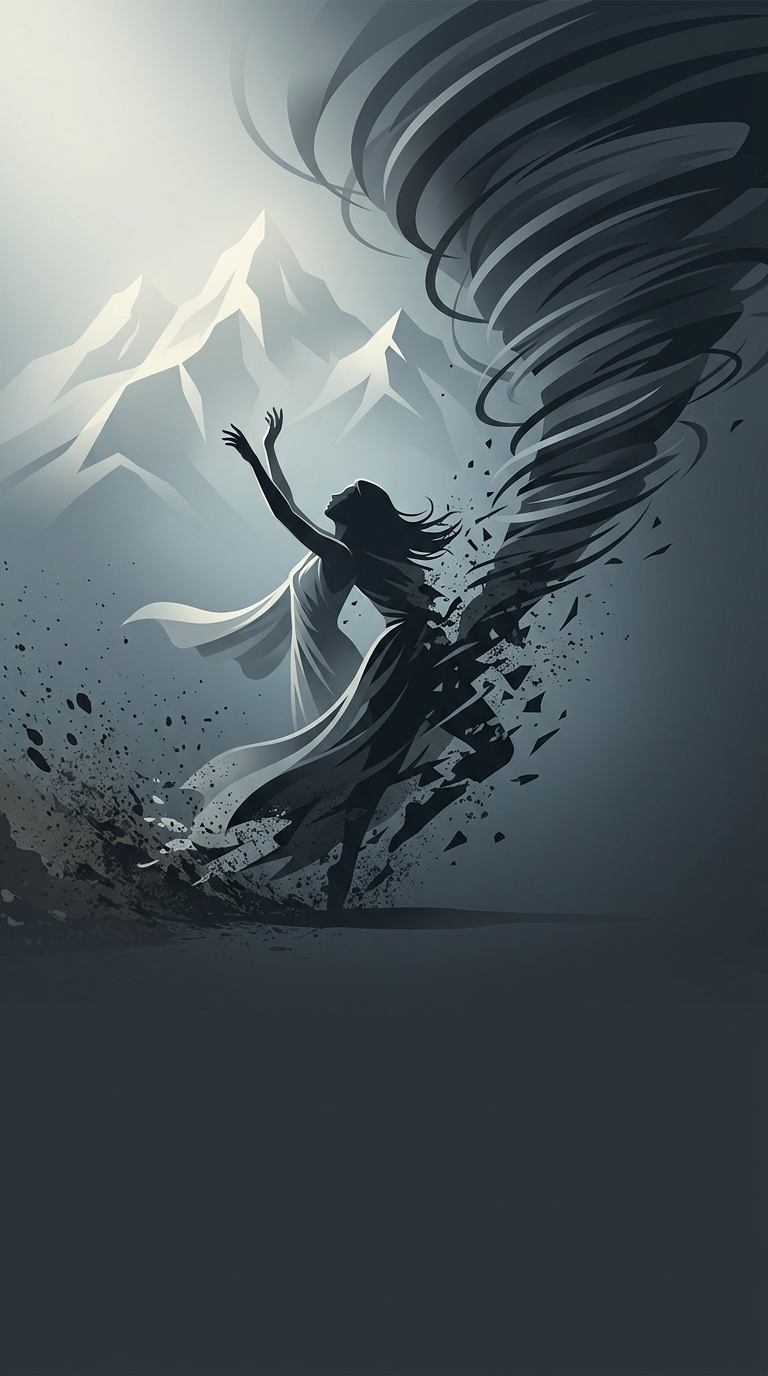
The opening image of The Sound of Music looks effortless: Maria stands alone in an alpine meadow, arms open to the landscape. Getting that close view outdoors presented a practical problem. The camera needed to capture her against the mountains, but the helicopter used to film the scene could not appear in the frame. It had to hover nearby, where its rotor wash—the forceful air pushed downward by spinning blades—could reach the ground.
That airflow turned the meadow into an unpredictable set. A helicopter’s downdraft does not behave like a gentle breeze: it can buffet a person and flatten or scatter anything loose nearby. Andrews had to perform the same simple gesture while the air kept knocking her off balance. The graceful movement audiences remember was therefore built from repeated attempts under conditions the crew could not fully control.
A Real Location, a Real Tradeoff
Filming on location gave the scene something a studio backdrop could not: the scale and changing light of the mountains themselves. But using a helicopter brought its own constraints. The aircraft had to get close enough for the shot while remaining outside the camera’s view, and the resulting wind affected the person at the center of the frame.
That is the hidden labor behind the scene’s calm mood. On screen, Maria’s open-armed pose suggests a moment of freedom; behind it was a precise camera setup and a powerful machine just beyond the image. The landscape looks still, but the shot was made in the middle of a storm of air.