How a local sighting became an omen
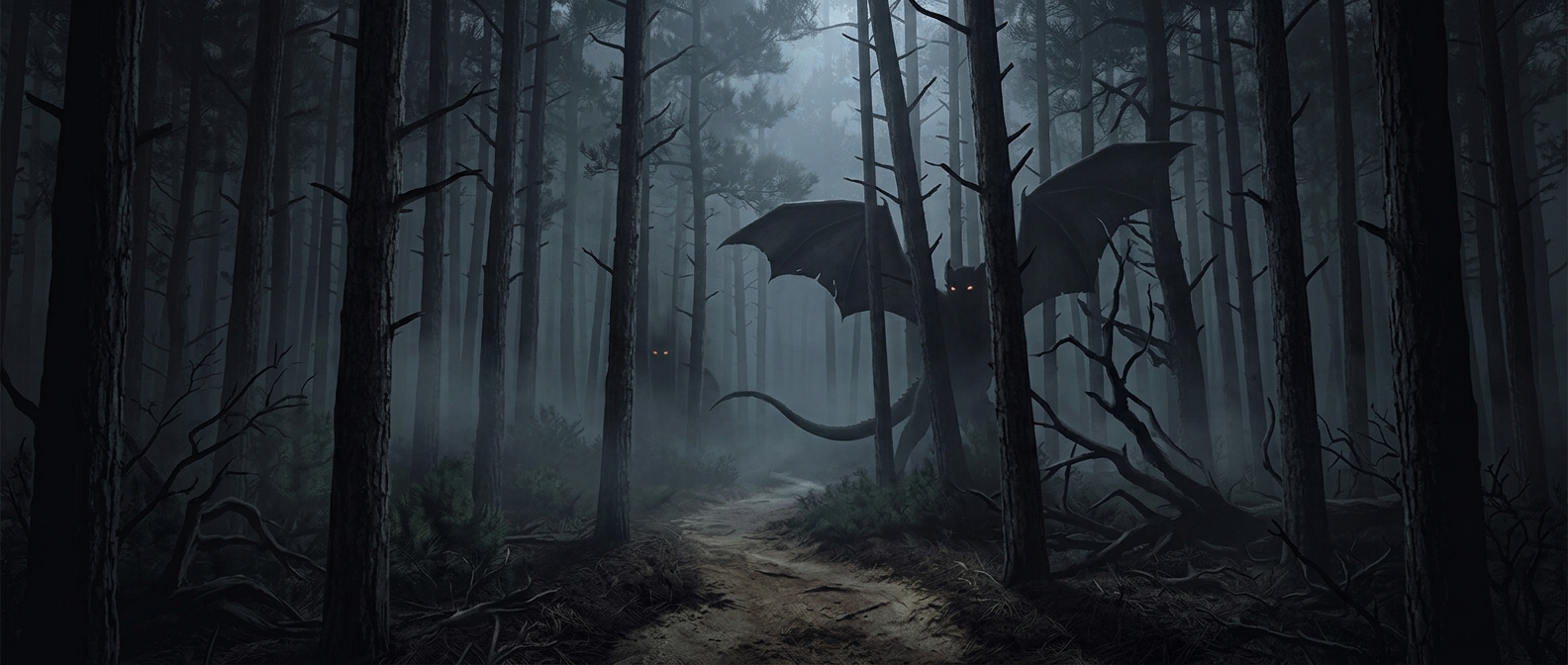
The Mothman story is closely tied to Point Pleasant, West Virginia. Reports of a large, winged figure with glowing red eyes circulated in the area in 1966 and 1967. After the Silver Bridge collapsed across the Ohio River in December 1967, killing 46 people, the earlier sightings took on a new meaning: people began linking the creature to the disaster.
That sequence matters. The omen was not a clear prediction that named a place, date, or danger. The connection was made after catastrophe, when frightening reports already in local memory could be read as a sign that something was coming.
A warning without instructions
In folklore, an omen can signal danger without explaining what to do. The Mothman’s reported appearances therefore work less like a practical alert than a story about dread: something seems wrong, but no one can tell what it means or how to stop what follows. The warning gains its force from the disaster associated with it, not from any usable message the creature is said to provide.
That ambiguity helps explain why the legend endures in Point Pleasant. Visitors encounter a story in which an ordinary place—the river crossing and the town around it—became charged with foreboding after tragedy. The Mothman does not tell people how to prevent disaster; the legend gives a face to the feeling that disaster may already be approaching.