Hunger as a Break in the Rules of Community
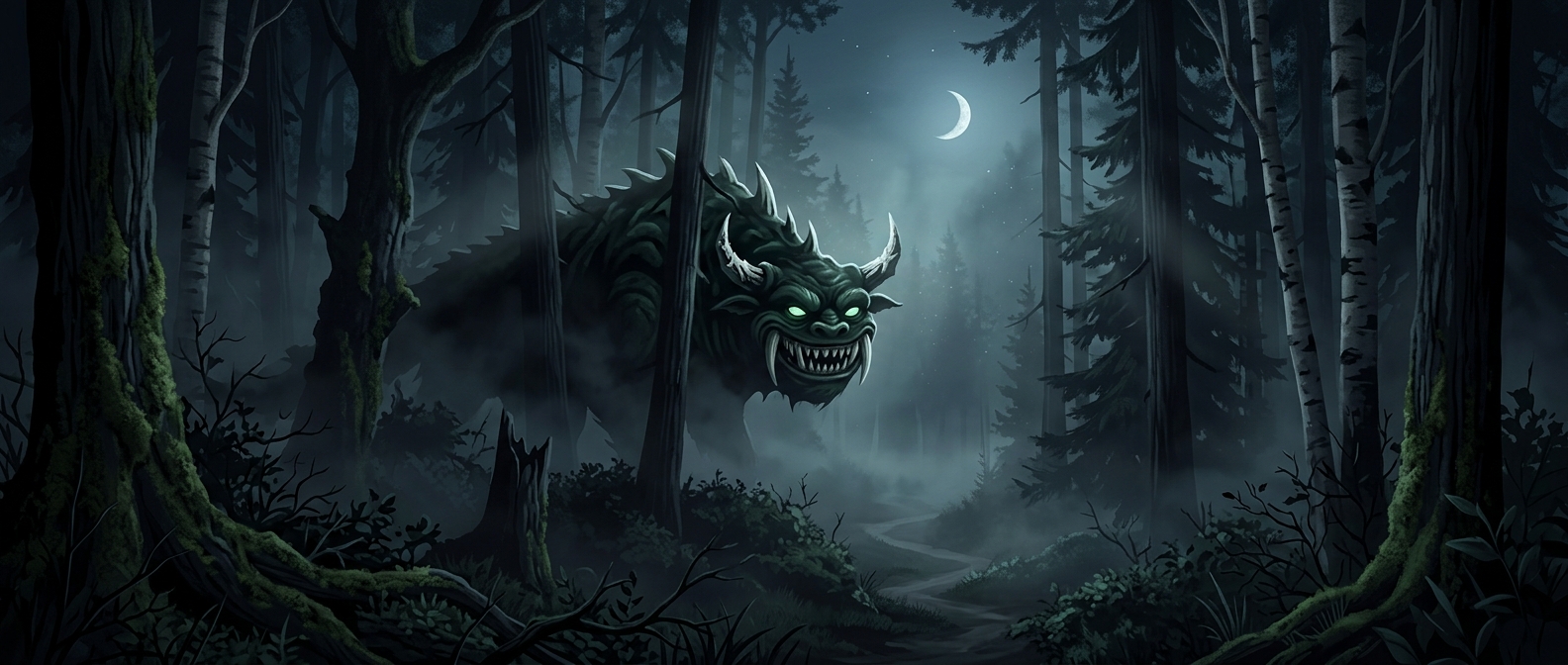
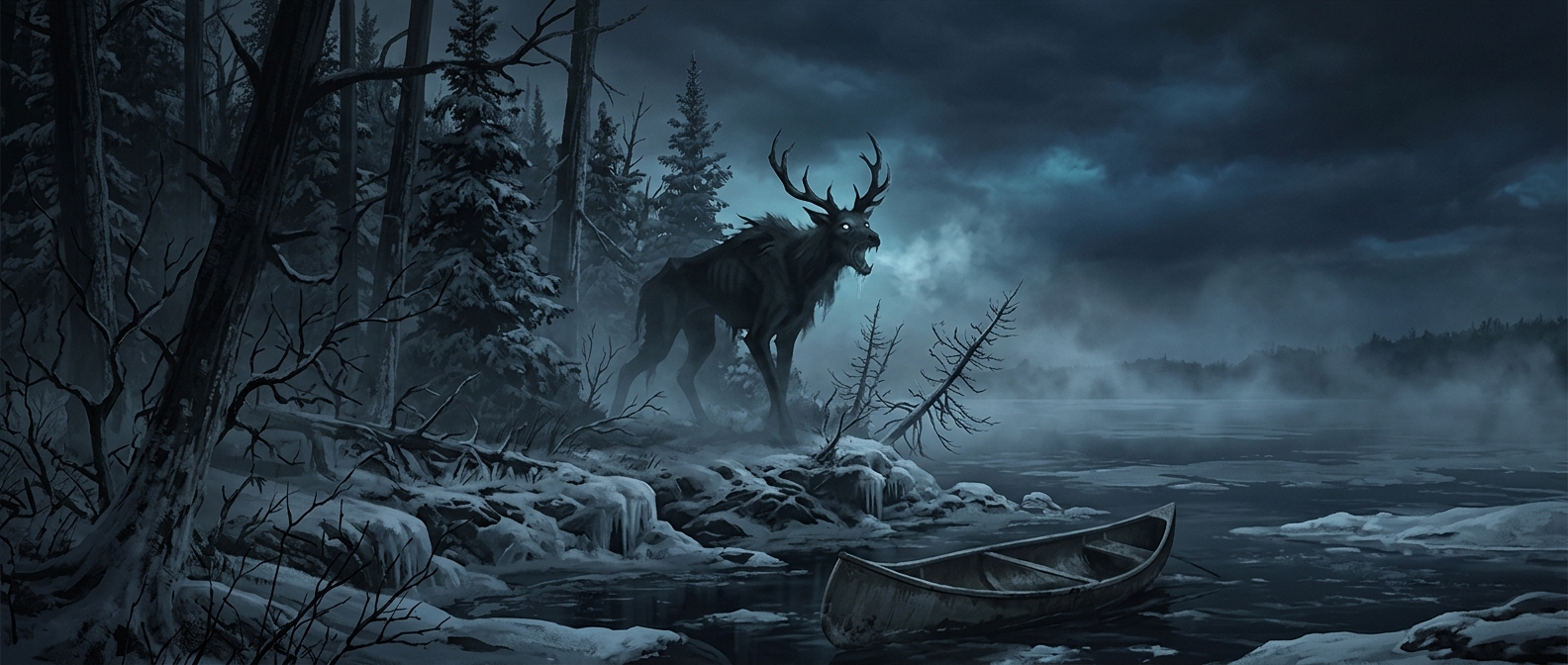
Wendigo stories belong to a range of Indigenous traditions, especially among Algonquian-speaking peoples, and their details differ between communities. In many versions, the creature’s hunger is not simply an appetite: it marks a person who has become consumed by taking more and more, even when that hunger can never be satisfied.
That makes the story a warning about a social choice, not just a frightening encounter in the woods. In northern communities where survival could depend on cooperation, food hoarded or withheld from others could put lives at risk. The wendigo gives that danger a memorable form: someone who treats every resource as their own becomes isolated from the obligations that keep a community alive.
Why More Never Fills the Hunger
The creature’s endless appetite turns greed into a trap. Each act of taking promises satisfaction but leaves the hunger intact, so the wendigo grows more desperate rather than secure. Its horror lies in abundance without contentment—and in the damage done when sharing stops.
The image is powerful precisely because it links private desire to public consequences: when one person refuses to recognize anyone else’s needs, the whole community feels the cost.