Why a digital odometer is harder to turn back
An older mechanical odometer was a set of numbered wheels driven by gears. Changing its reading often meant physically reaching the mechanism and turning the wheels backward. The display was the main record of distance, so altering it could leave relatively little evidence elsewhere in the car.
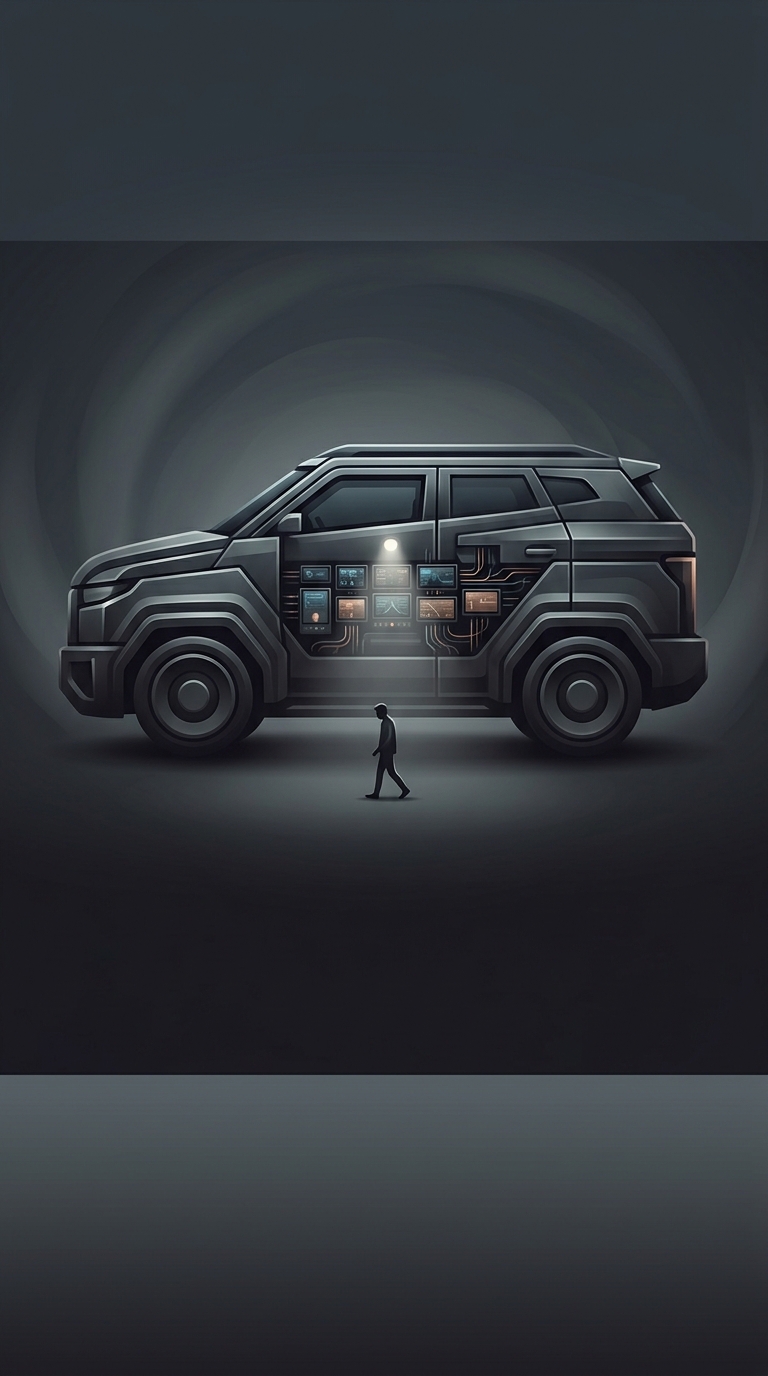
A modern digital odometer is different: its numbers are calculated and displayed electronically. The mileage value is stored in the car’s computer systems, and depending on the model, distance-related records may also appear in other modules. Those records can help systems track maintenance, diagnose faults, or manage vehicle operation.
One altered number can leave a mismatch
Rolling back a digital display is not necessarily the same as changing every record of the car’s use. If the odometer shows less mileage than another module has recorded, a technician may find the discrepancy during a diagnostic scan. Service records and inspection histories can provide additional comparisons.
That makes a convincing alteration more involved than turning a mechanical counter. A person attempting it may need specialized equipment and knowledge of how that particular vehicle stores mileage—and must avoid leaving conflicting data behind. The details vary by make and model, but the basic obstacle is the same: the displayed number may not be the car’s only mileage record.
Difficult does not mean impossible
Digital systems can be manipulated, and the degree of protection varies. But tampering may require changes in several places, and inconsistencies can expose the attempt later. The practical consequence is that buyers and inspectors have more potential clues than a single dashboard reading: a scan, paperwork, or the vehicle’s recorded history may tell a different story.