Seedless Fruit Isn’t Automatically Faster Sugar
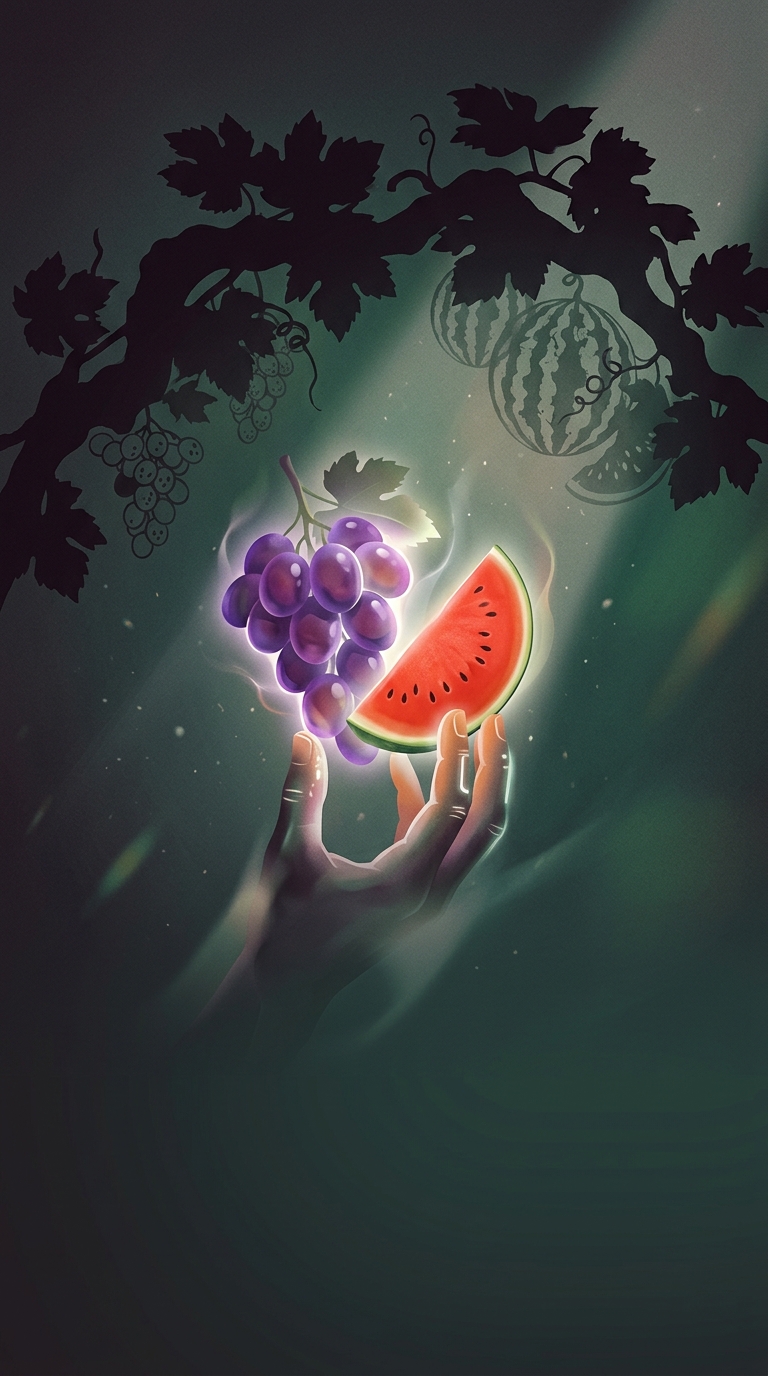
A seedless grape or watermelon does not, simply because it lacks seeds, send sugar into the bloodstream faster. Seeds contribute little to the way most people digest the edible flesh, and seedlessness is a breeding trait—not a measure of how quickly a fruit’s carbohydrates are absorbed.
What matters more is the fruit’s available carbohydrate, how ripe it is, how much is eaten, and how quickly its sugars become available during digestion. Sweetness alone is not a reliable guide: two fruits can taste similarly sweet yet produce different blood-glucose responses because they differ in water, fiber, and carbohydrate content.
The Whole Fruit—and the Portion—Matter
Watermelon contains sugars that can be absorbed relatively quickly, but it is also mostly water. A typical portion therefore supplies less carbohydrate than the same volume of many denser foods. Grapes are more concentrated, so a large handful can add up quickly. Eating either as whole fruit also takes chewing, and the fruit’s structure and fiber affect digestion compared with drinking its juice.
Modern varieties may differ from older ones in sweetness or other traits, but that does not establish that seedless versions consistently raise blood sugar faster. There is no single response that applies to every cultivar, serving, or person. For blood sugar, portion size and the fruit’s carbohydrate content are more useful clues than whether it has seeds.