Why a deleted page can still reappear
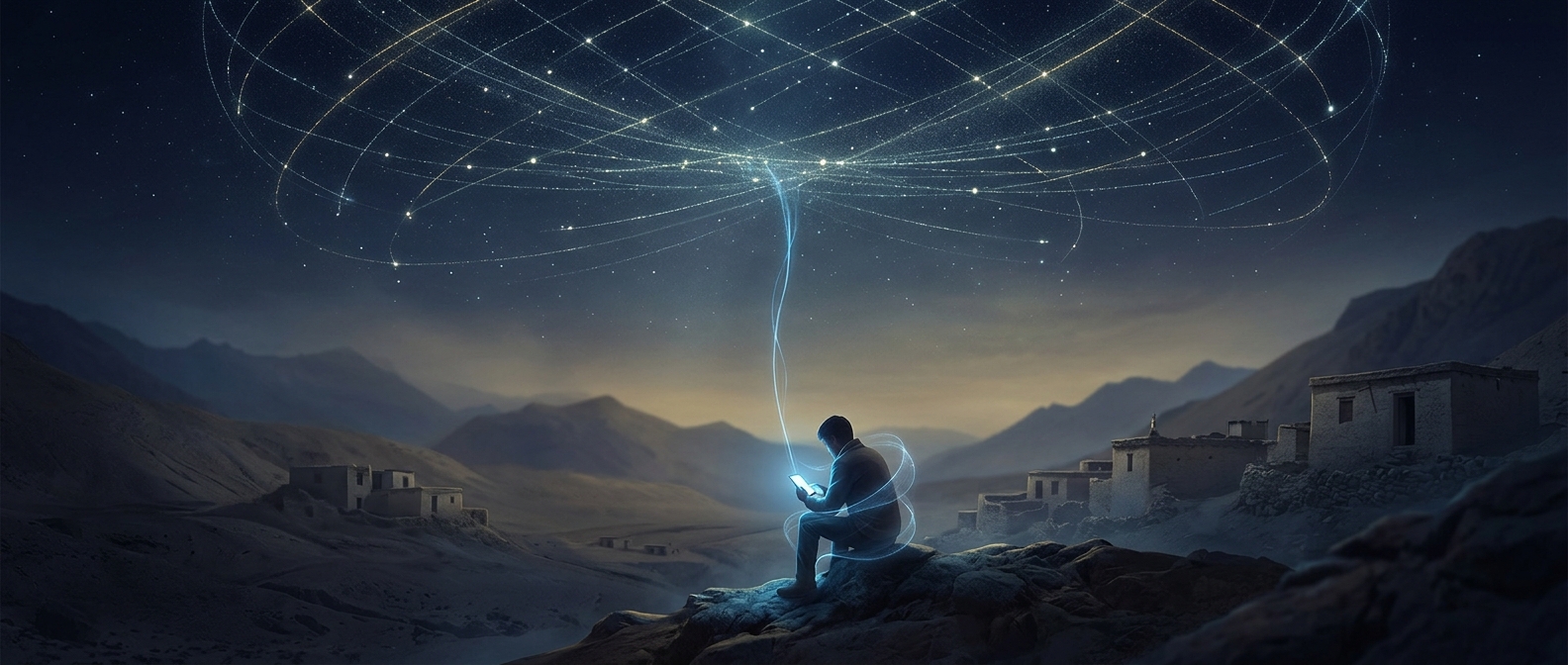
Deleting something from a website usually removes it from that site’s current view. It does not reach backward and erase every copy made earlier. A search engine may have indexed the page, a person may have saved or reposted it, or an archive may have captured it while it was public. Each copy is stored separately, so deleting the original does not automatically delete the others.
An archive captures a page as it appeared at a particular time. Later, someone can open that saved version even if the live page has changed or disappeared. The snapshot may be incomplete: interactive features, images, or content loaded from other services might not have been saved. An archived page is a record of a past view, not necessarily a complete copy of the original site.
Copies have different owners—and different lifetimes
There is no single master store of everything ever posted. Search indexes, website backups, public archives, and personal screenshots are maintained by different people and systems. Their retention rules vary; some copies are overwritten or removed, while others remain accessible for years. A page’s absence from search results, for example, does not prove that every copy is gone.
The same separation makes removal difficult. A site owner may delete a post but have no control over a screenshot or an archive snapshot. In some cases, a person can ask a service to remove material, but that does not guarantee that copies elsewhere will disappear too.
The time capsule is uneven
What survives depends on what was captured, when it was captured, and whether the stored version can still be reached. That makes the internet less like a perfect permanent record than a scattered collection of partial ones. Still, a casual post can outlast the moment it was meant for: years later, a saved copy may surface without its original context, while the person who wrote it has moved on.