A sighting becomes part of the record
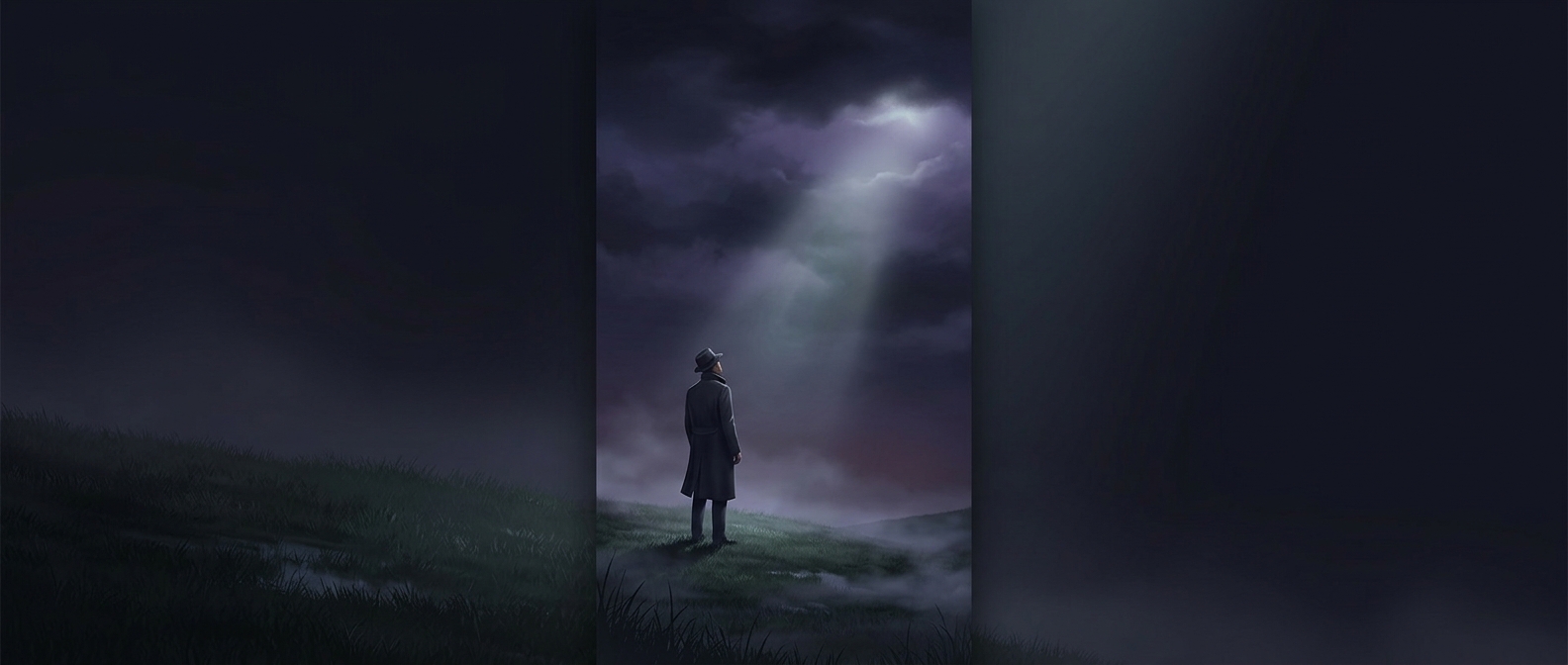
In 1969, Jimmy Carter was a local politician in Georgia, not yet a national figure. While waiting outside a Lions Club meeting, he noticed a bright light that changed colors. The striking part of the episode’s history is what happened afterward: Carter later submitted a formal report describing what he had seen.
A report like that records an observation; it does not identify the object. “UFO” means an unidentified flying object—something seen in the sky that the observer cannot explain at the time. The label leaves the question open rather than naming a cause.
Why the report mattered later
Carter’s account took on a wider audience when he became president. A personal experience that might otherwise have remained a local anecdote was now attached to one of the country’s most prominent public figures. That visibility helped keep the sighting in public discussion, while the report itself remained evidence of what Carter said he observed—not a determination of what produced the light.
That distinction is what makes the story worth retelling: even a future president could describe an unexplained sighting, but recording it did not resolve it. The event entered the record as an observation with an open question attached.