A Fast Carriage Was a Public-Safety Problem
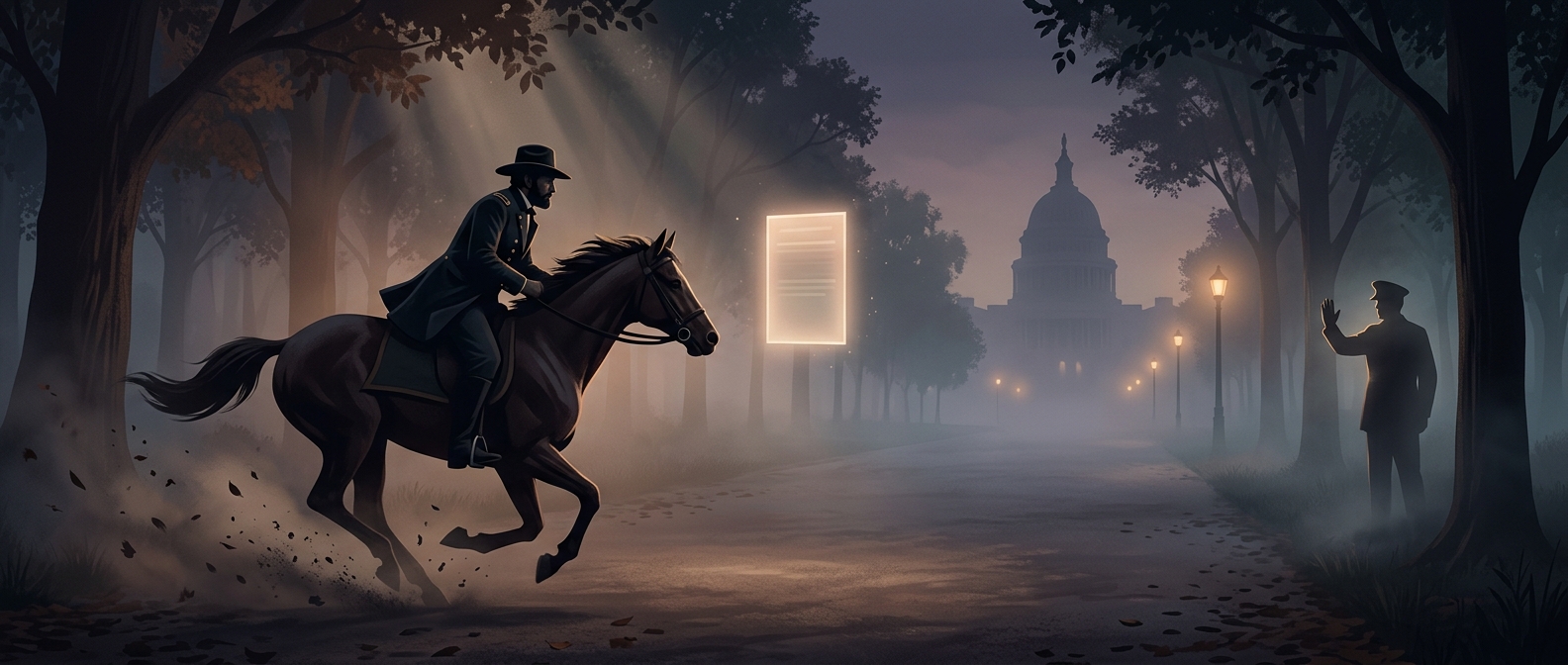
In nineteenth-century Washington, traffic enforcement meant dealing with horses and carriages rather than cars. A carriage moving too quickly could endanger pedestrians and other drivers, while a horse was both its power source and a valuable part of the vehicle. Stopping the horse could halt the journey immediately.
That is what made the encounter with Ulysses S. Grant more than a matter of a fine: the officer briefly took his horse as well. The intervention addressed the means of speeding, not just the driver’s willingness to pay.
The Rule Applied at Street Level
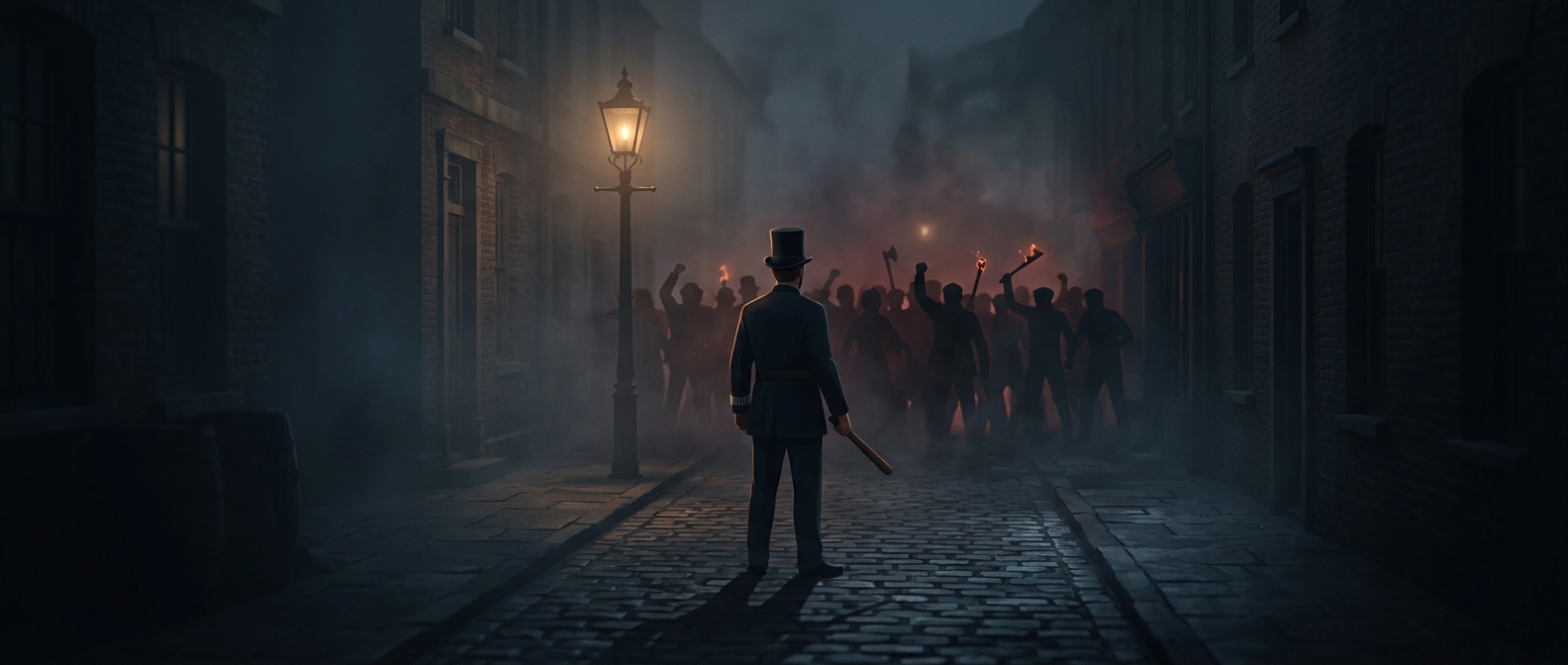
A president’s title did not put him beyond an ordinary officer’s authority in this episode. The fine and temporary seizure show how traffic rules depended on enforcement in the street: an officer had to identify dangerous conduct and act before a fast-moving carriage continued on its way.
The memorable detail is how direct that enforcement could be. Before engines and traffic cameras, stopping a speeding vehicle could mean taking control of the animal pulling it.