How a Planet Became a Clue to the Body
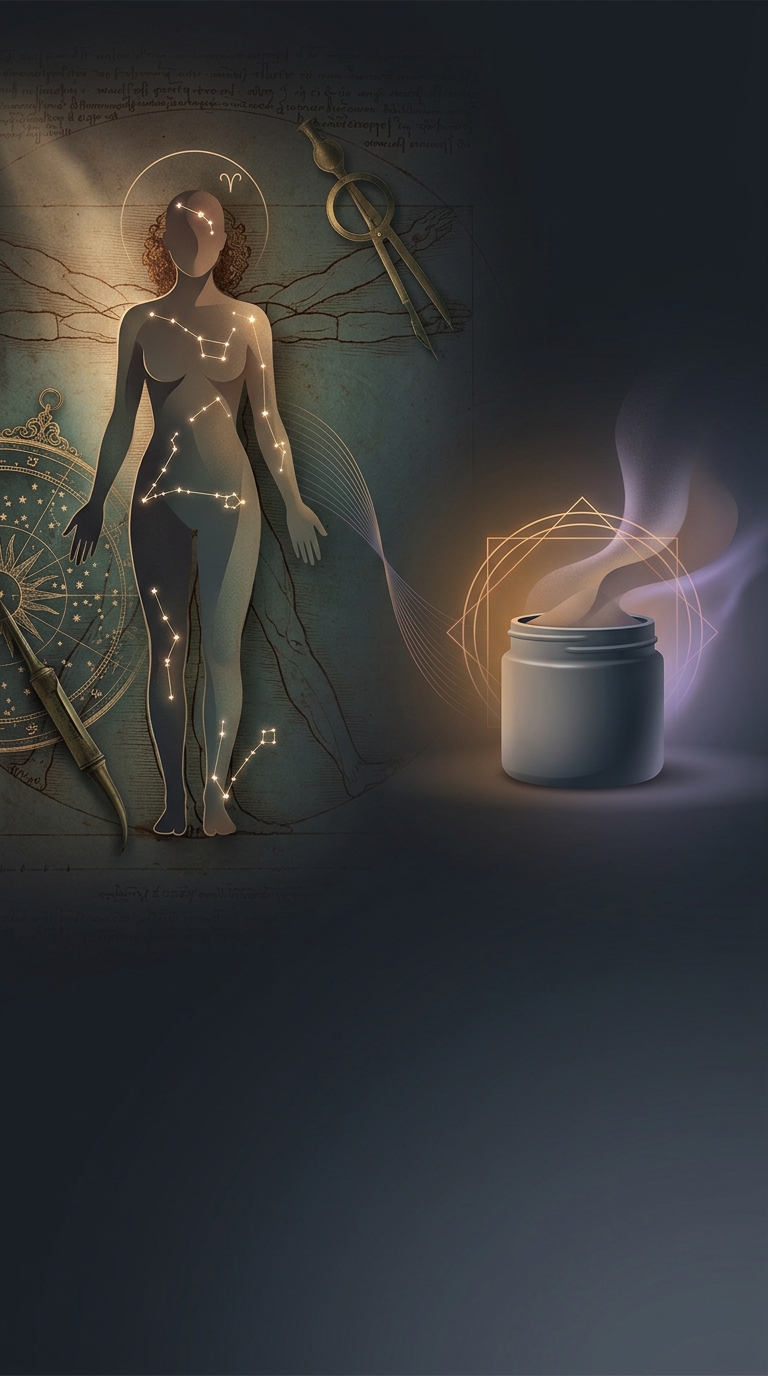
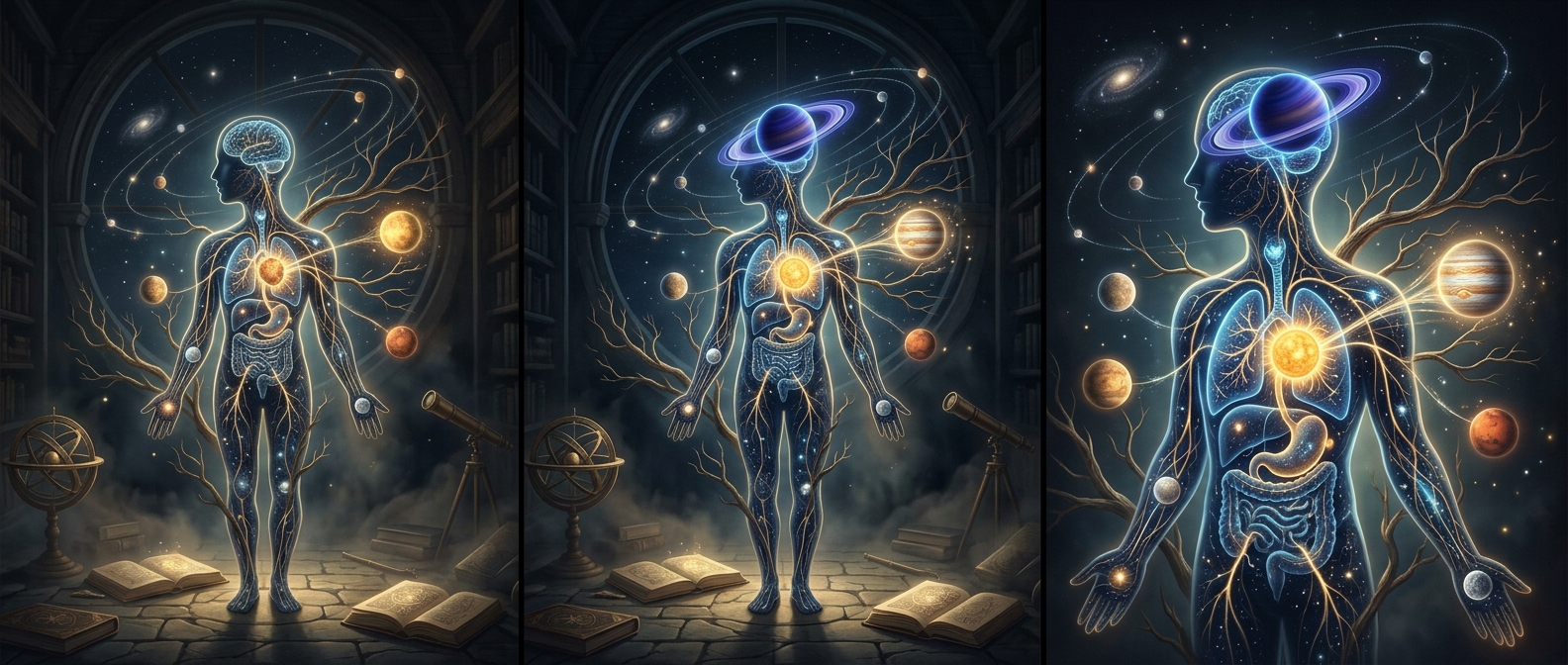
Medical astrology treated the sky as a symbolic map of human health. Its practitioners assigned planets and zodiac signs particular qualities and bodily associations, then used those links to interpret symptoms. The system varied across periods and traditions; it was not a single fixed chart.
Mars was commonly associated with heat, force, blood, and injury. In that symbolic vocabulary, a headache might be read as “Martian” if it seemed fiery or intense—not because the planet was understood to send a measurable force into the head, but because the symptom seemed to fit Mars’s character. The connection supplied a story about what an illness meant within the system.
What the Interpretation Could—and Could Not—Do
A planetary reading could shape how a practitioner described a condition or chose a time for an action. Astrology was once woven into broader medical traditions that also relied on observation and remedies, so celestial symbolism could sit alongside practical care. But a symbolic match was not the same as identifying a bodily cause. Modern medicine explains headaches through processes such as muscle tension, infection, or changes in blood vessels—not planetary influence.
That difference is the key to understanding the tradition: Mars offered a framework for interpreting a symptom, not a mechanism that explains why the pain began.