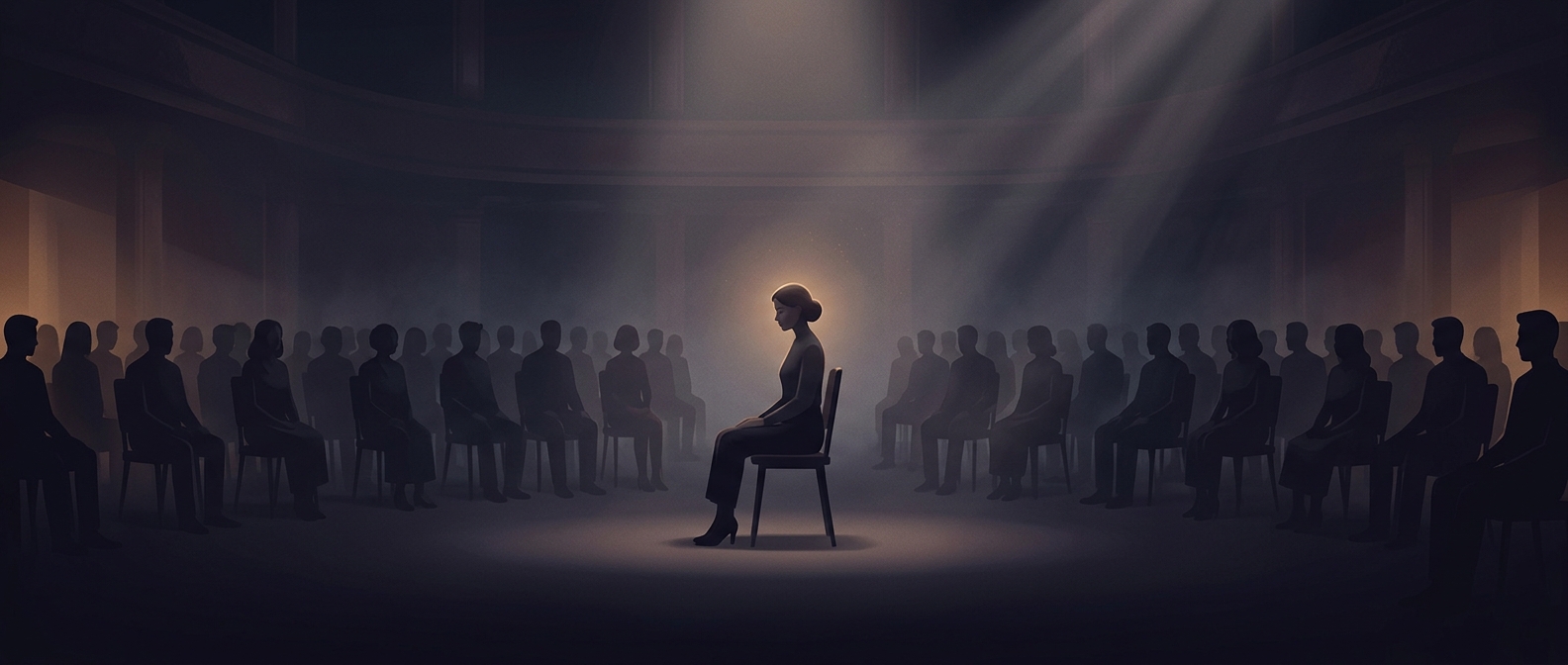
When illness is treated as a mistaken belief
Some religious and metaphysical traditions teach that ultimate reality is spiritual and that the material world is not the deepest truth. A harmful interpretation can follow: if illness belongs to the material world, a person may conclude that it is not a real condition to treat, but an error in thought to correct through prayer.
That conclusion is not shared by everyone in traditions that question material reality. Beliefs and practices vary, and spiritual care can coexist with medical treatment. The risk arises when a particular teaching is used to dismiss symptoms or discourage clinical care.
How the belief can shape a decision
Prayer may offer comfort, community, or a sense of purpose during illness. But if someone sees seeking medical help as evidence of weak faith—or believes that recognizing a diagnosis reinforces the error—the belief can influence whether they seek care, follow a treatment plan, or respond to an emergency.
That matters because many injuries and illnesses worsen while untreated. A spiritual practice cannot determine by itself whether a symptom is harmless or urgent; examination and testing can reveal causes that are not apparent from how a person feels or what they believe.
Where spiritual support and treatment can meet
For many people, prayer and medical care serve different purposes: one supports meaning and emotional resilience, while the other assesses and treats the body. They need not be alternatives. The practical consequence turns on whether a belief accompanies care or replaces it.