Why a Stage Hypnosis Volunteer May Go Along
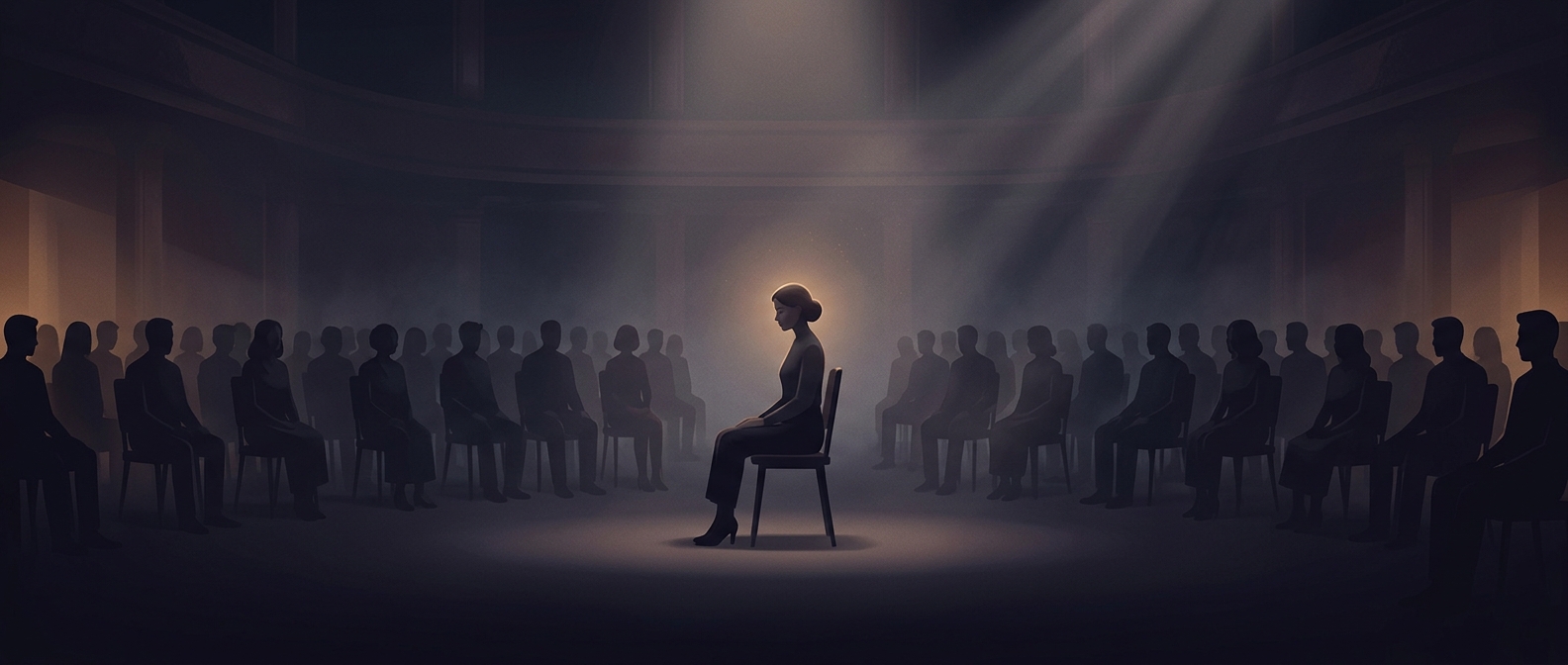
A stage hypnotist is working with people, not switching off their will. Volunteers have usually stepped forward in front of an audience, accepted the performer’s instructions, and agreed to take part in a show. That setting creates a strong expectation: the audience is waiting for something to happen, and the volunteer may feel pressure not to spoil the moment.
The Social Cues That Shape the Performance
Once the demonstration begins, volunteers can take cues from the hypnotist, the crowd, and one another. Laughter or applause signals that a response fits the scene; a confident instruction makes the next action seem expected. Someone who hesitates may also worry about looking uncooperative or disappointing the group.
This is a form of social influence—the ordinary tendency to adjust behavior to other people’s expectations. It can help explain why a volunteer might act out a suggestion more readily onstage than they would in private. The person may be absorbed in the activity, treating the scenario as play, or simply choosing to cooperate with the performance.
Cooperation Is Not the Same as Pretending
Playing along does not automatically mean a volunteer is consciously faking. People can respond sincerely to suggestions while still retaining judgment and the ability to stop. Stage hypnosis depends on a mix of willingness, attention, expectation, and the pressure of being watched—not on a performer taking complete control of someone’s mind.
That social setting is part of the spectacle: the audience’s reactions help define what counts as a successful response, while volunteers help keep the performance moving.