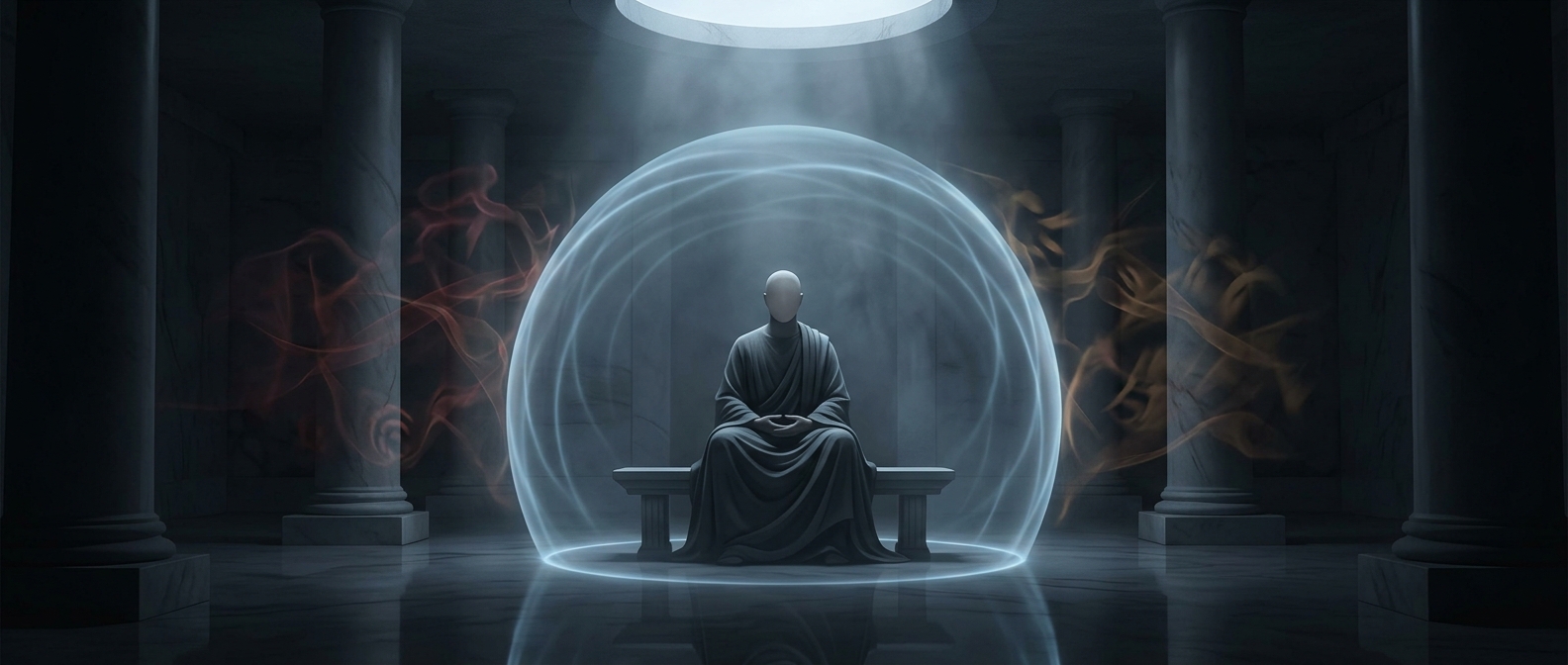
A Peak Experience Is Not a Permanent State
A sudden sense of unity, clarity, or contact with something sacred can feel complete while it is happening. But the feeling itself is a temporary state of consciousness, not necessarily a lasting transformation. Attention, emotion, and the sense of self can shift sharply during an intense experience, then return toward their usual patterns as the episode passes.
That distinction matters: a person may remember the experience as a turning point even when its unusual sensations lasted only briefly. What persists, if anything, is more likely to be an interpretation or a change in priorities than the original intensity.
Memory Keeps the Meaning, Not the Moment
People do not store an experience like a recording. Memory is reconstructed later, shaped by what seems important and by the words available to describe it. A fleeting feeling of boundlessness may therefore remain vivid while its exact details—how long it lasted, what came first, or how clear it felt—become harder to recover.
This helps explain why accounts can describe a brief episode as life-changing without claiming that the person stayed in an enlightened state. The peak can fade while its meaning continues to influence how someone understands their life.