When Conversation Becomes Hard Work
In a quiet room, talking gives a drinker a natural pause: listen, answer, and set the glass down. Loud music interrupts that rhythm. When speech is difficult to make out, people may stop trying to talk and reach for a simpler social action—taking a sip. The glass becomes something to do during a lull, not just a drink to enjoy.
That shift helps explain why the setting can change drinking pace without anyone deliberately deciding to drink more. Music does not need to make alcohol taste better; it can change how people fill the gaps between interactions.
Why Pace Matters
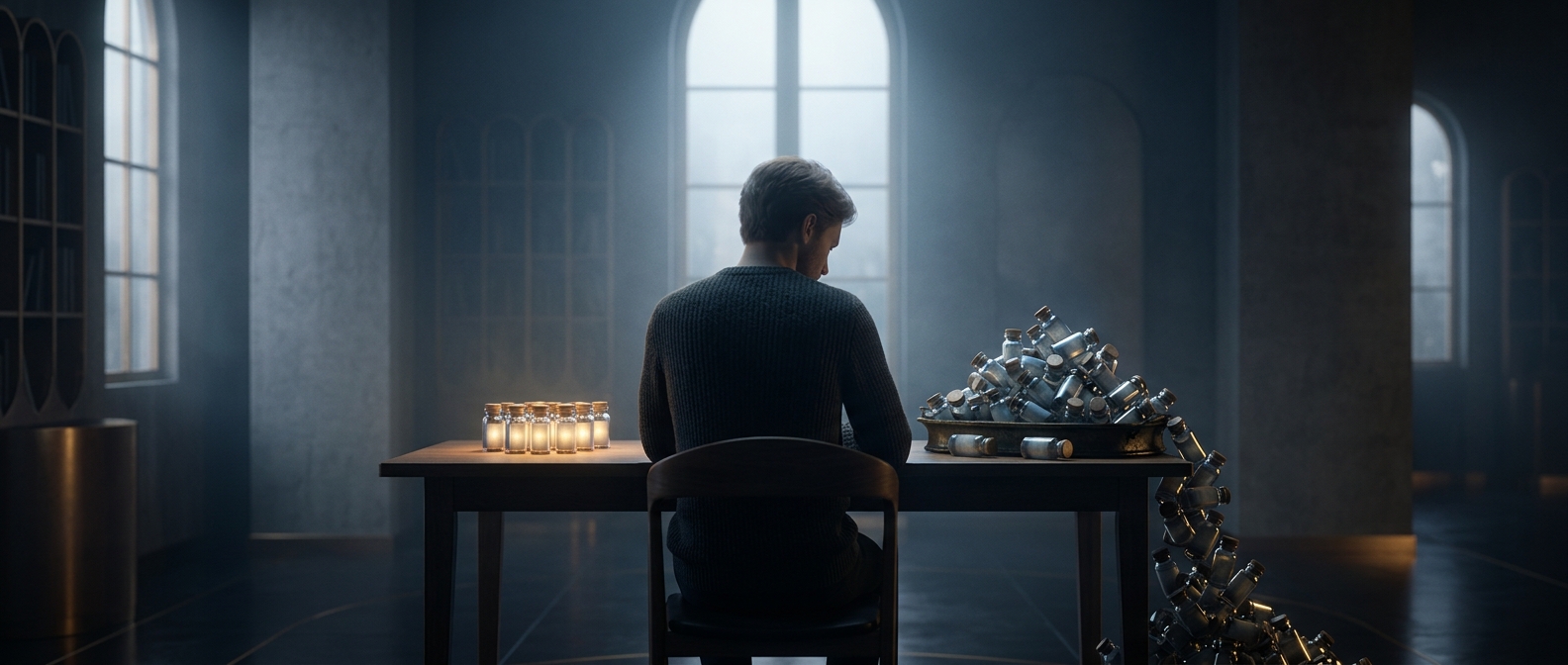
The body absorbs alcohol while the liver breaks it down, but it cannot clear alcohol as quickly as a person can drink it. When drinks arrive close together, alcohol can build up in the bloodstream before the drinker has had much time to notice its effects. A faster pace can therefore make impairment accumulate sooner, even if the total number of drinks has not yet changed.
The practical cue is not simply “loud bar.” It is the combination of noise and fewer conversational pauses. Choosing a quieter spot, taking deliberate breaks, or alternating with a nonalcoholic drink can restore some of those pauses. In a noisy room, the next sip may be less about thirst than about filling the silence between attempts to be heard.