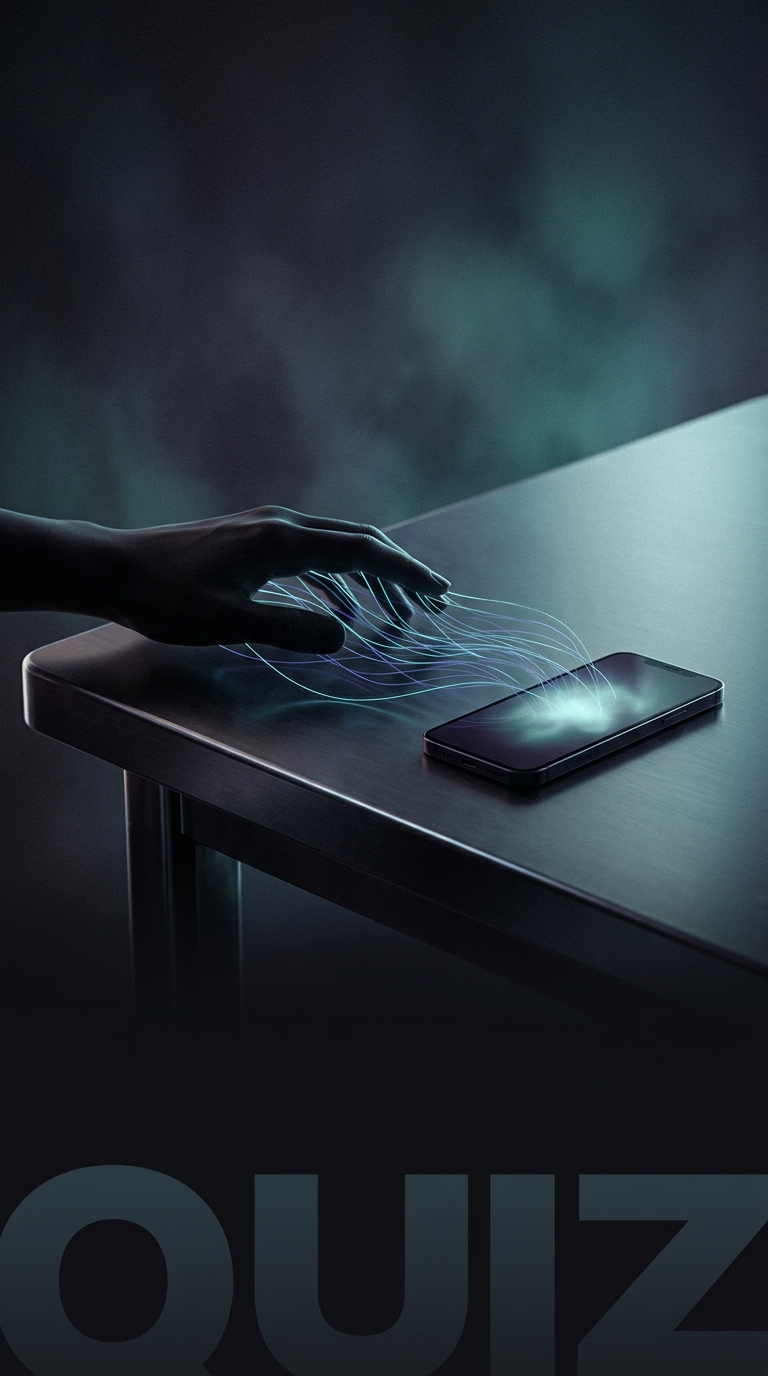
A visible phone can occupy attention without making a sound
When your smartphone sits in view, part of your attention may keep track of it—even if you are not checking it. The screen is a familiar source of messages, news, and social updates, so seeing it can cue the possibility that something worth noticing has arrived. Your mind may then have to resist the impulse to glance over or pick it up.
That effort is subtle. You might feel focused on your work, yet still spend a little mental energy keeping the phone from becoming the next thing you do.
The cost is in what attention cannot do
Working memory is the limited mental space you use to hold and manipulate information—for example, keeping the steps of a calculation in mind or following a complex paragraph. If some attention is tied up monitoring or resisting a tempting distraction, less may be available for that kind of work.
The phone does not have to interrupt you with a buzz for this to happen. Its visibility can be enough to make checking feel like an available option. How much that matters depends on the person and the task; work that demands sustained concentration is more vulnerable than an easy, routine activity.
Distance removes the cue
Putting the phone in a bag, drawer, or another room does more than prevent a quick reach. It also removes the visual reminder that checking is possible, reducing the need to keep resisting it. The practical advantage is not just fewer interruptions; it is less attention spent guarding against one.