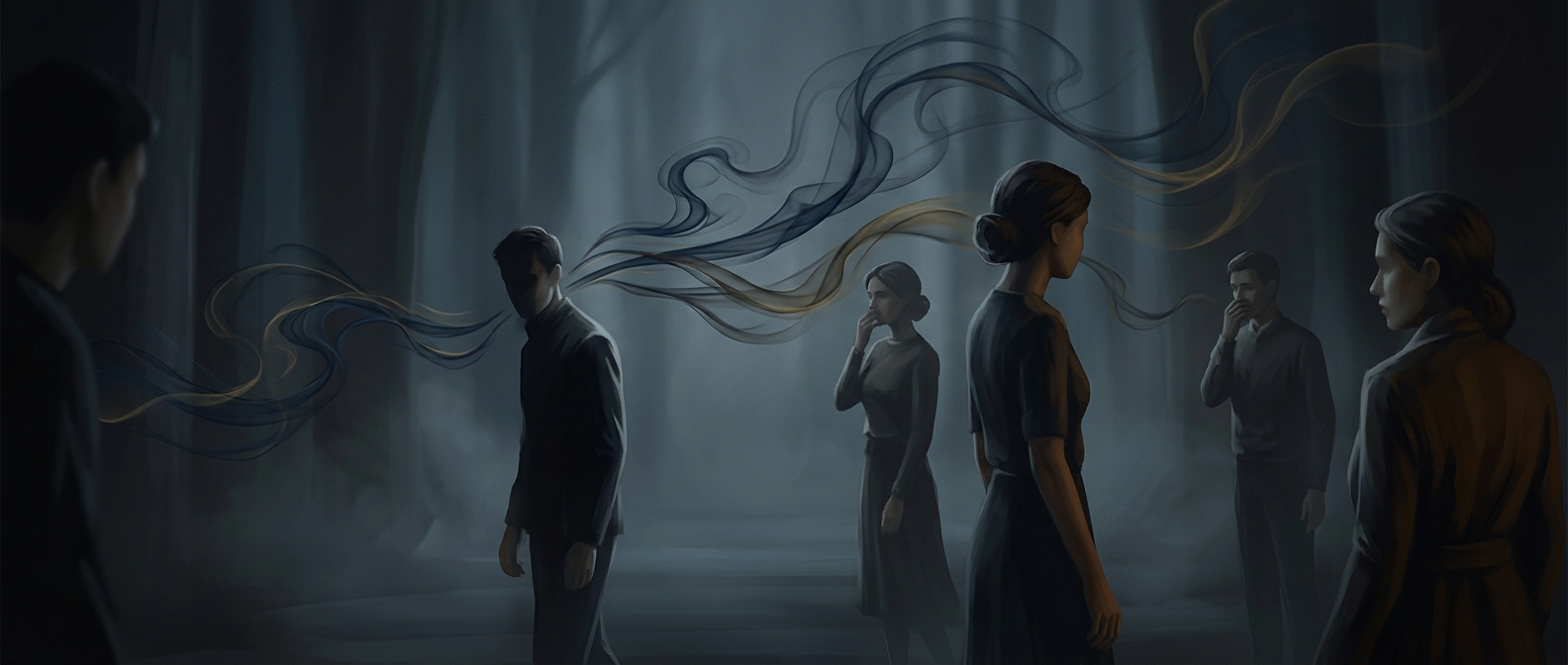
How a smell can arise without a source
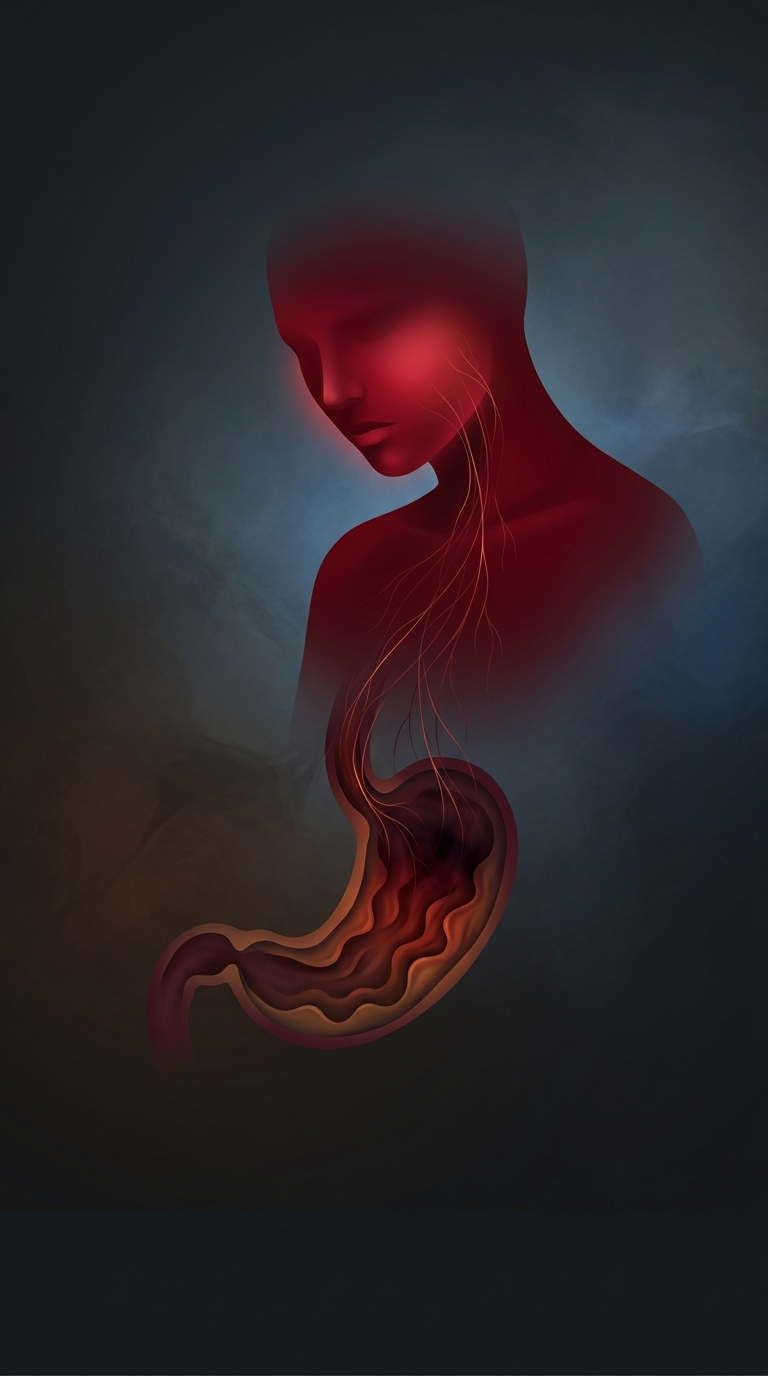
Smell begins when molecules from the air reach sensory cells high inside the nose. Those cells convert chemical contact into electrical signals, which travel through the olfactory system to the brain. In phantosmia, a person experiences an odor even though no matching odorant is reaching the nose. The brain is still receiving or generating activity along the smell pathways, and it interprets that activity as a smell.
That makes the experience different from simply remembering a scent. A remembered smell is usually recognized as coming from memory; phantosmia can feel as immediate and convincing as an odor in the room. The exact cause is not always clear. Changes or irritation affecting the nose, smell nerves, or brain pathways can disrupt how signals are produced or interpreted.
Why the sensation can be so vivid
The brain does not passively label smells: it combines incoming signals with expectations and context to identify what is present. When the signal is abnormal or incomplete, the resulting perception can still have a recognizable quality—such as smoke, something burnt, or a chemical odor. The brain supplies an interpretation, but that does not mean the sensation is imaginary. The perception is real; the apparent source may not be.
Phantosmia can occur briefly, but a persistent or recurring change in smell is worth discussing with a health professional, especially if it began after an illness or injury or comes with other new symptoms. The practical first step is to check for an actual source—such as smoke or a gas leak—before assuming the odor is only a sensory disturbance.