Why a curse can take the edge off a stubbed toe
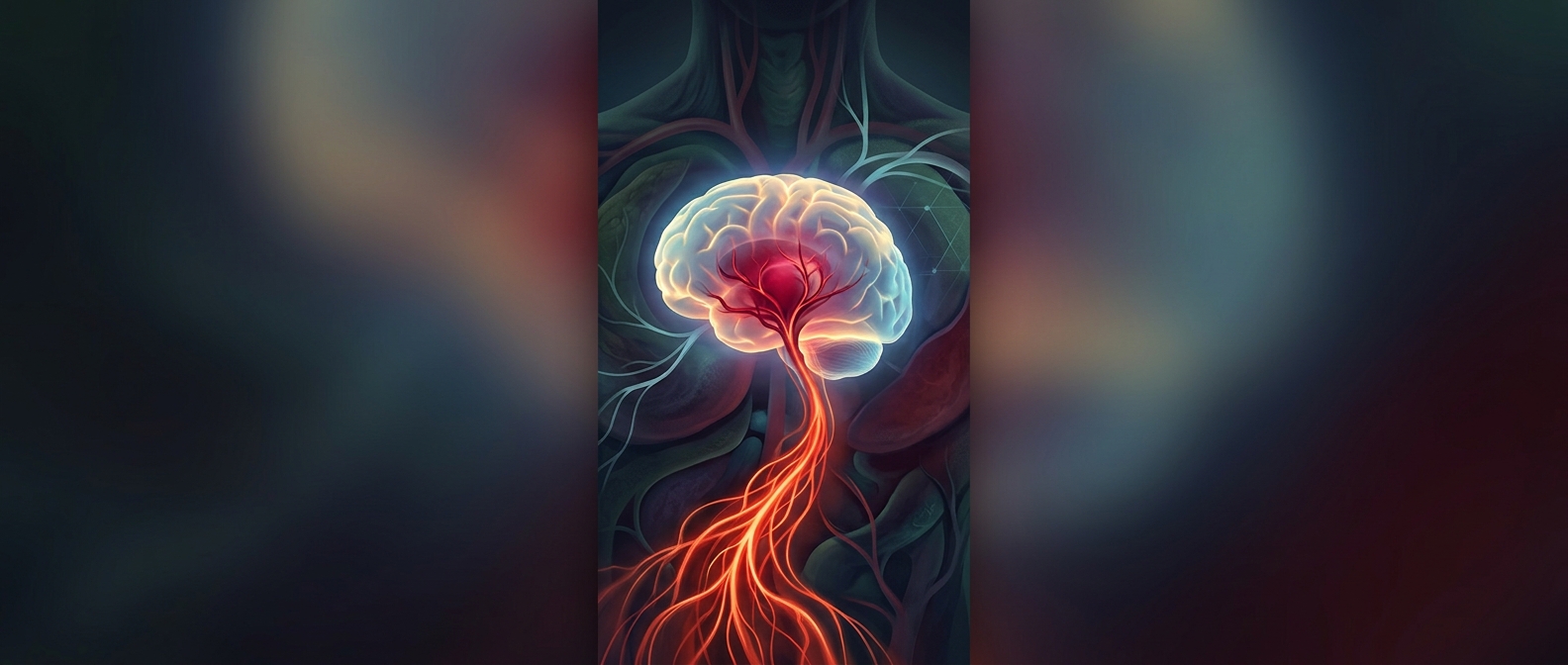
A sharp swear word can briefly change how the brain handles pain. Pain is not a direct readout of tissue damage: the brain combines signals from the injured area with attention, emotion, and expectations to shape how intense the sensation feels. A sudden exclamation grabs attention and gives that burst of distress an outlet, which can make the pain feel less consuming for a moment.
A jolt of emotion, not a cure
Swearing is unusually emotionally charged language. Compared with a neutral word, a familiar curse can trigger a stronger response in the body, including a brief increase in arousal—the body’s readiness to react. That response may activate pain-dampening systems in the brain and spinal cord, which can turn down pain signals temporarily. The same jolt can also redirect attention away from the toe.
The effect is best understood as short-lived pain relief, not faster healing or protection from injury. A curse does not undo bruising, stop swelling, or tell you whether the toe is seriously hurt. It may simply make the first few seconds feel more manageable.
Why the same word may not always work
The response depends partly on how emotionally potent the word is to the person saying it. If a curse is used constantly, it may lose some of its punch; a word that feels genuinely startling is more likely to produce a strong reaction. The relief comes from the brain’s response to an emotionally charged sound, not from the word having any special physical power.