Isolation Can Put the Nervous System on Guard
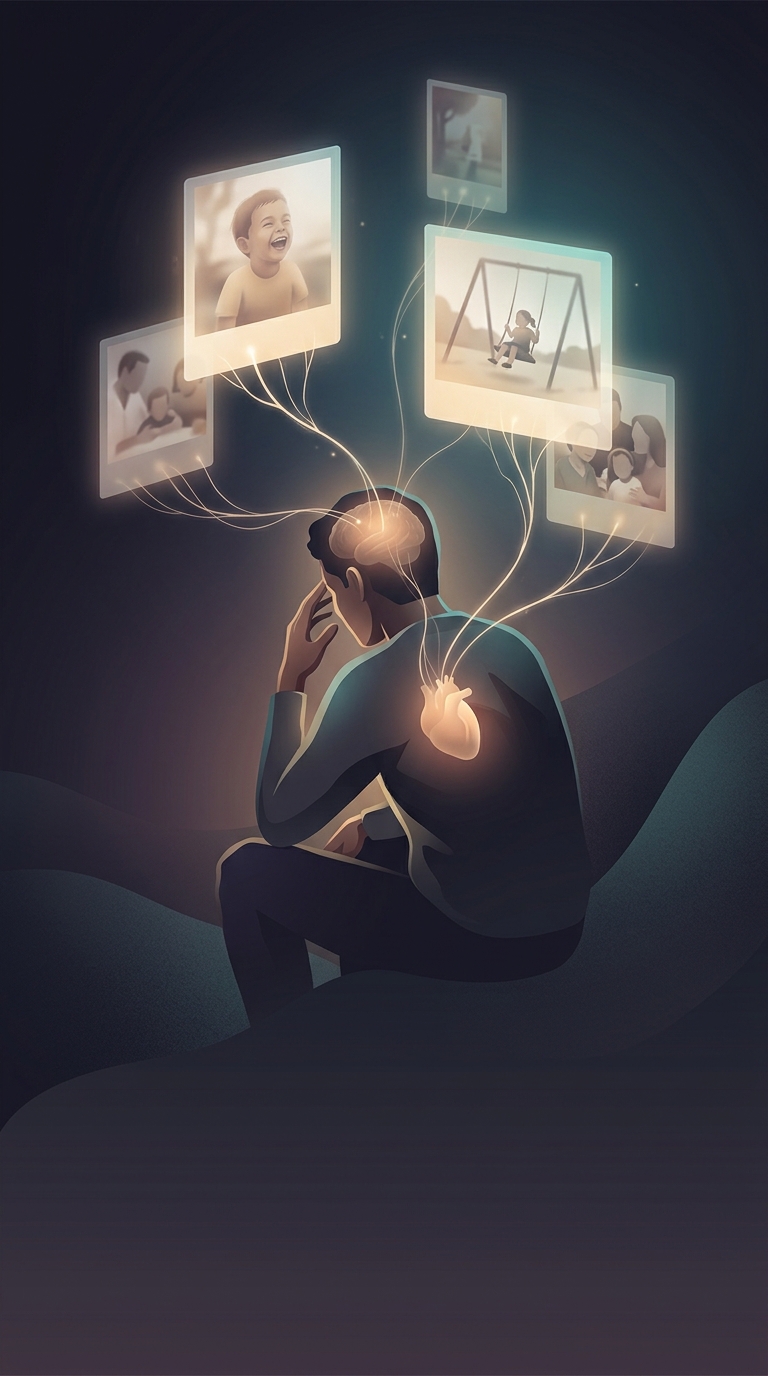
Prolonged social isolation can leave a person more alert to possible danger, especially danger from other people. This heightened watchfulness is called hypervigilance: the brain scans faces, voices, and situations for signs of rejection or threat, even when the evidence is ambiguous.
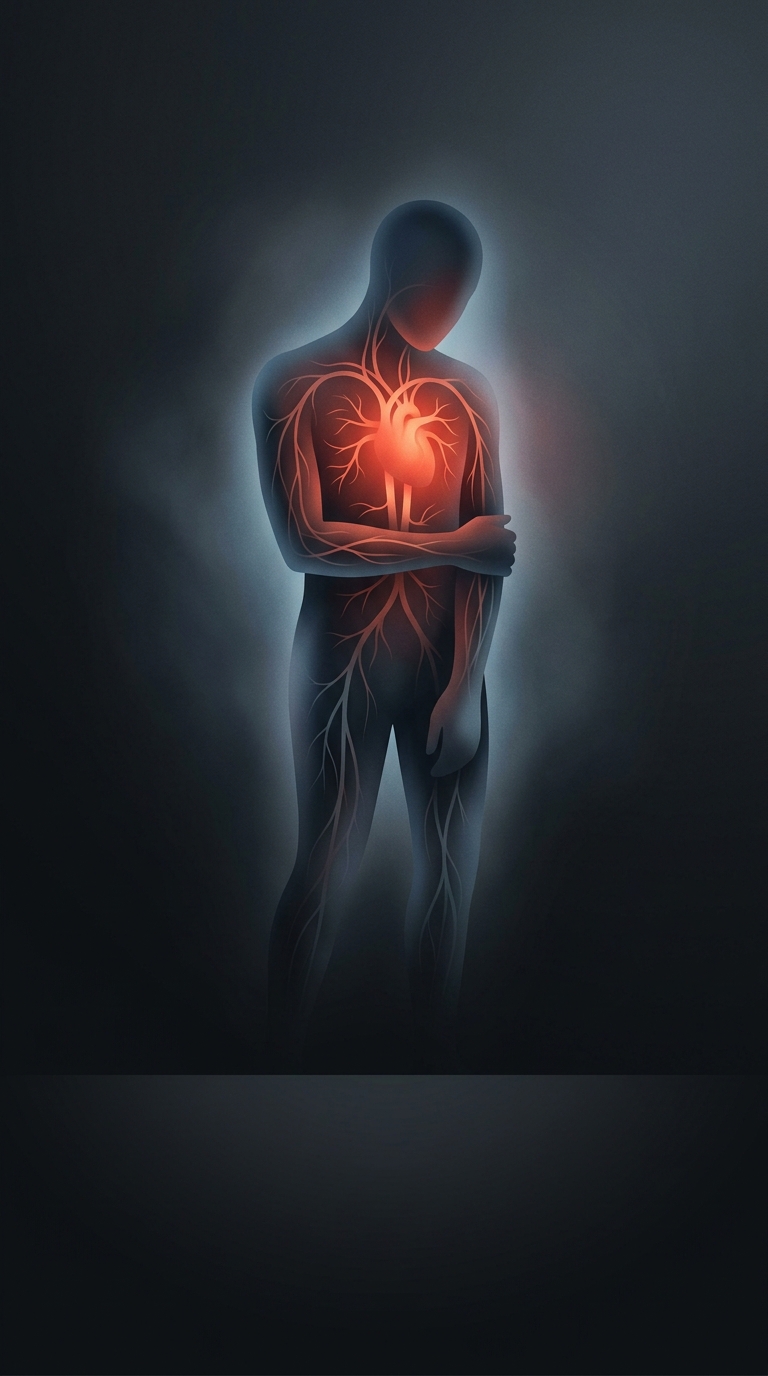
The response makes sense as a short-term survival strategy. Humans depend on other people for protection and help; being cut off from a group can signal vulnerability. The brain may therefore prioritize threat detection, while the body’s stress systems stay more ready to respond. That readiness can feel like tension, unease, or difficulty relaxing—not necessarily a dramatic panic response.
Why It Can Feed on Itself
When someone expects social danger, a neutral expression or delayed reply may seem hostile. They may then withdraw to avoid a perceived slight, reducing chances for reassuring contact. The resulting distance can reinforce the sense that other people are unsafe or unavailable.
This is a possible pattern, not an inevitable effect of being alone. Isolation and loneliness are related but different: isolation describes limited social contact, while loneliness is the distressing feeling that one’s relationships fall short. The nervous system’s guard response helps explain why extended disconnection can feel physically stressful as well as emotionally painful—and why a small, trustworthy interaction may matter more than simply being around a crowd.