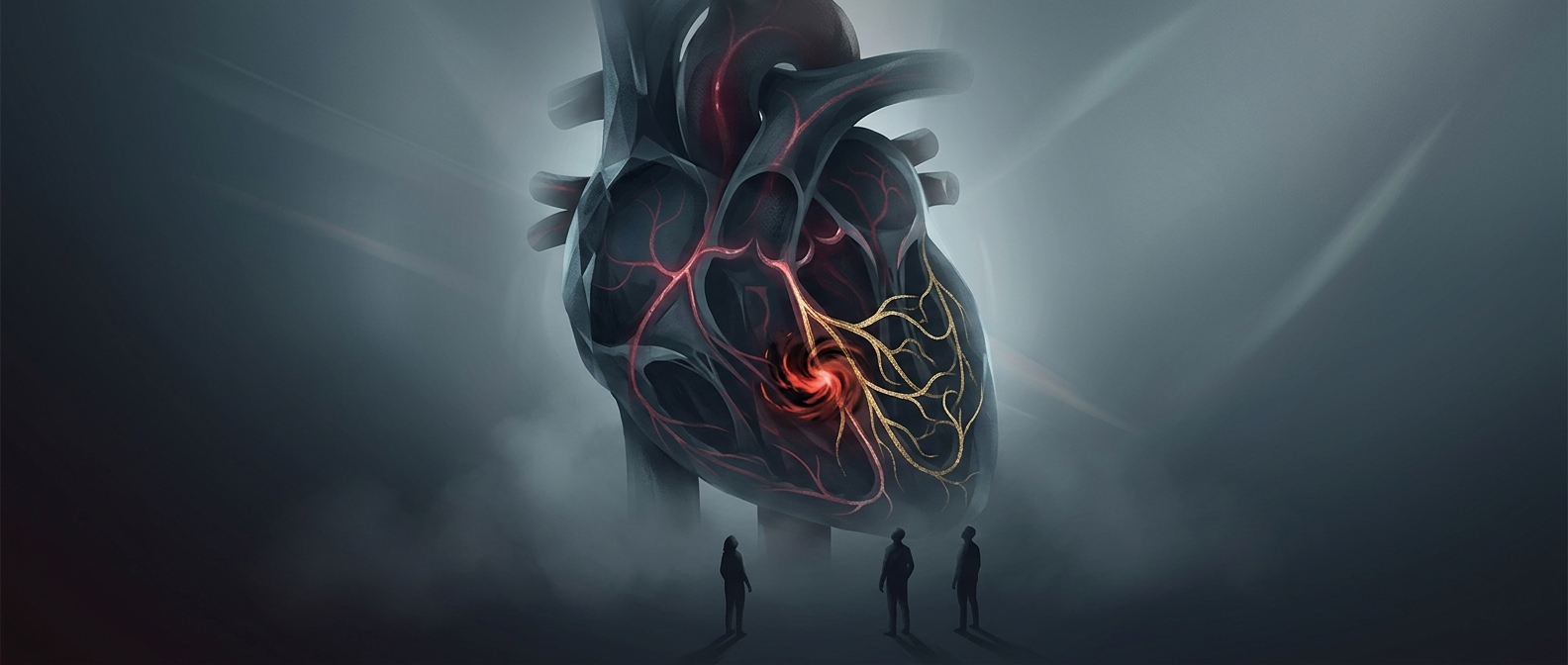
How social disconnection can reach the body
Loneliness is the distress of feeling disconnected; social isolation is having relatively few social contacts. They often overlap, but they are not the same. Either can matter to health, especially when disconnection is persistent rather than a brief, chosen period alone.
The body can respond to prolonged social threat much as it responds to other ongoing stress. Stress hormones and nervous-system signals help prepare the body to cope. Over time, that signaling may disrupt immune regulation, including by promoting inflammation. Inflammation is part of the body’s defense system, but when it remains elevated, it can contribute to damage in blood vessels and other tissues.
Why the risks can accumulate
Inflammation is one possible link, not a single explanation for every health outcome. Persistent loneliness can also disturb sleep and make it harder to keep up with exercise, meals, medical care, or other routines that protect health. These effects can reinforce one another: poor sleep can worsen stress responses, while declining health can make social contact more difficult.
That helps explain why chronic isolation is associated with higher risks of cardiovascular disease, cognitive decline, and earlier death. These are population-level patterns, not a prediction that a lonely person will develop any particular condition. Health, circumstances, and the availability of supportive relationships all differ.
What the cigarette comparison does—and doesn’t—mean
The often-repeated comparison between loneliness and smoking refers to estimates of their effects on health risk. It is a way to convey that social disconnection can have serious consequences; it does not mean loneliness produces the same biological exposure as smoking 15 cigarettes, or that the risks are identical for every person.
The practical point is that social connection is not merely a comfort. Sustained, meaningful contact may support health partly by reducing stress and helping people maintain everyday care. The relevant detail is not how many people someone knows, but whether they have relationships that provide reliable contact and support.