When stress disrupts the heart’s contraction
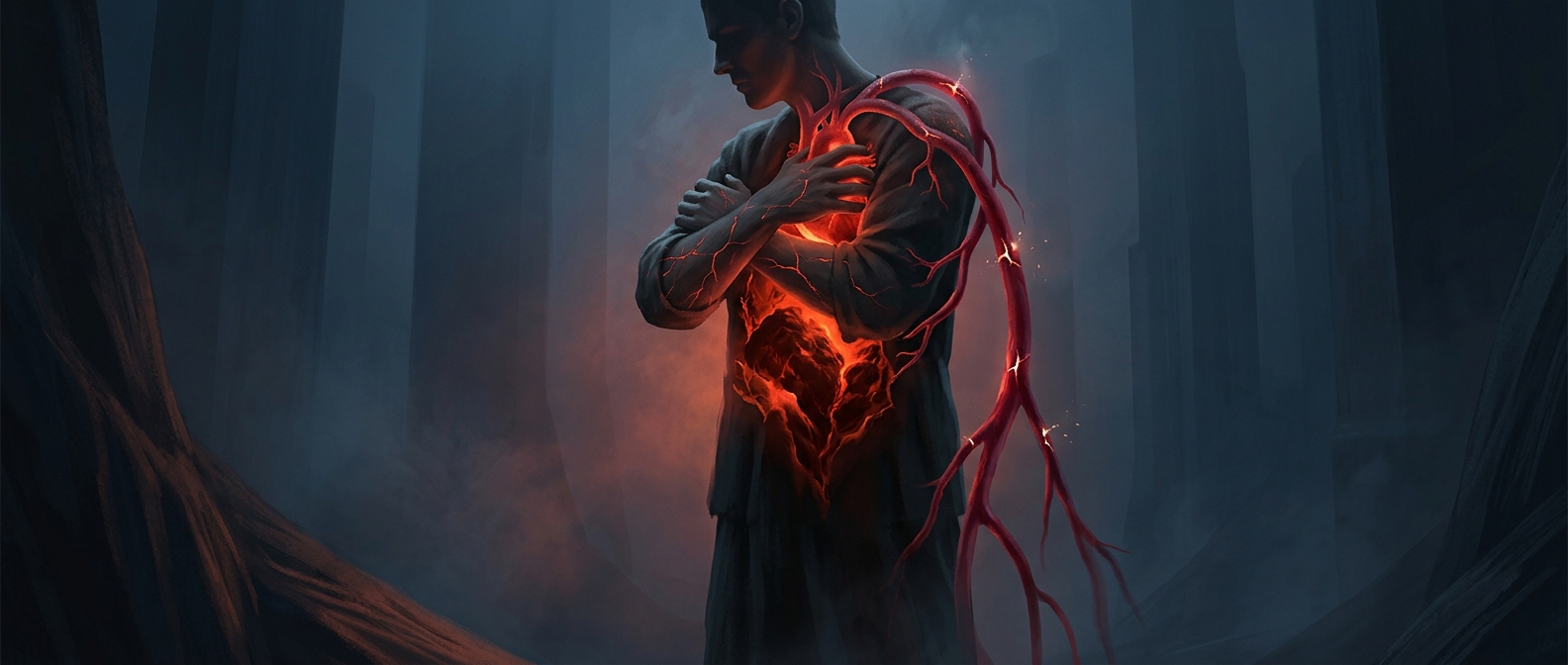
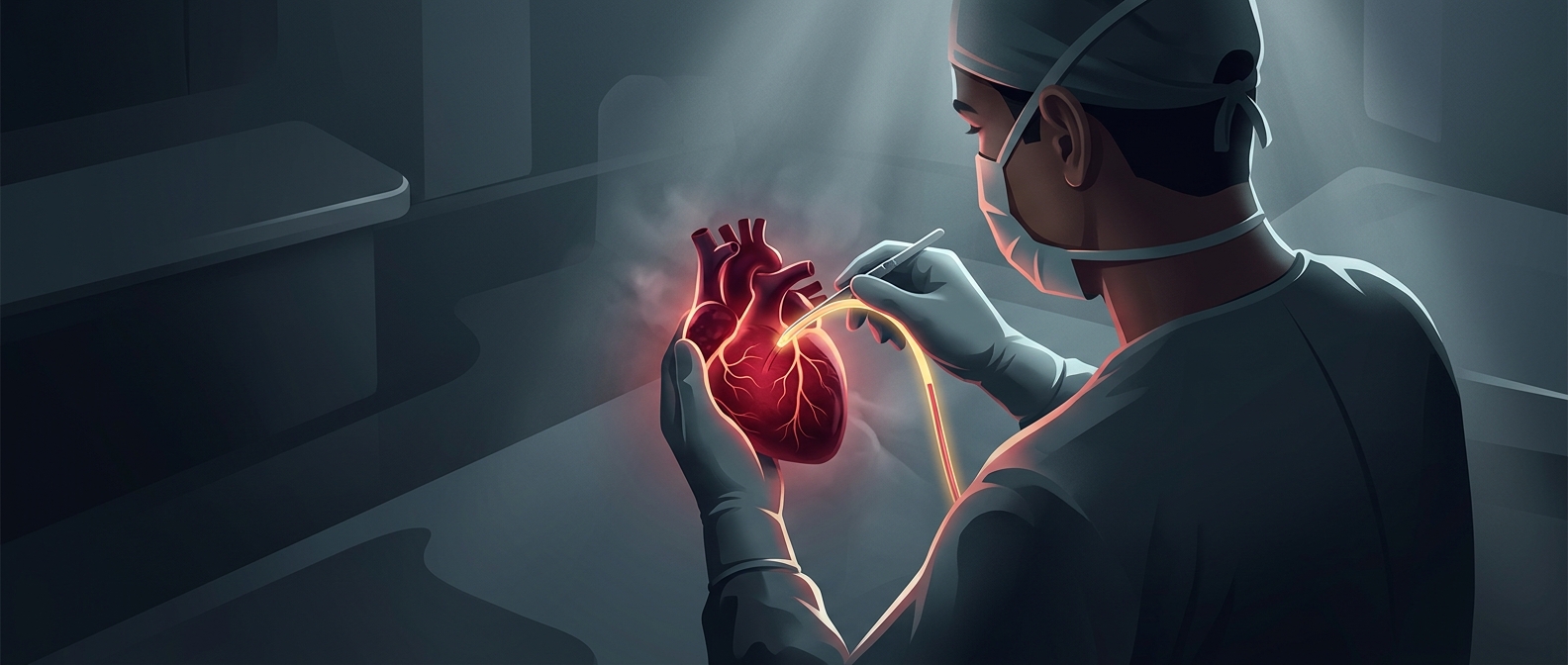
Takotsubo cardiomyopathy is often called “broken-heart syndrome,” but the name can make a physical illness sound merely emotional. During an intense stress response, the body releases signals—including stress hormones—that affect the heart. In this condition, the heart muscle temporarily contracts abnormally, so it cannot pump as effectively as usual.
The change can alter the heart’s shape. In a common pattern, part of the main pumping chamber balloons while another part contracts more strongly, giving the chamber an outline that reminded doctors of a Japanese pot used to trap octopuses. The precise chain from stress signals to weakened contraction is not fully understood.
Why it can look like a heart attack
The weakened pumping can cause chest pain, shortness of breath, and other symptoms that overlap with a heart attack. Tests may also show signs of heart injury. The key difference is often in the cause: a typical heart attack occurs when blood flow through a coronary artery is blocked, while takotsubo usually involves no such blockage.
That distinction cannot be made safely from symptoms alone. Clinicians use heart tests and imaging to assess the heart’s function and check for blocked arteries; a suspected case needs urgent medical evaluation, not an assumption that stress is harmless.
Temporary does not mean trivial
The heart muscle often regains its normal function, but the episode can still be serious. Poor pumping can strain the body and, in some cases, lead to dangerous complications. Emotional stress is a recognized trigger, though physical stress or no obvious trigger may also precede an episode.
The striking point is that an emotional event can set off a measurable change in heart mechanics. The feelings are not a substitute for a diagnosis—and the heart’s response is not imaginary.