Why a vein could reach the heart
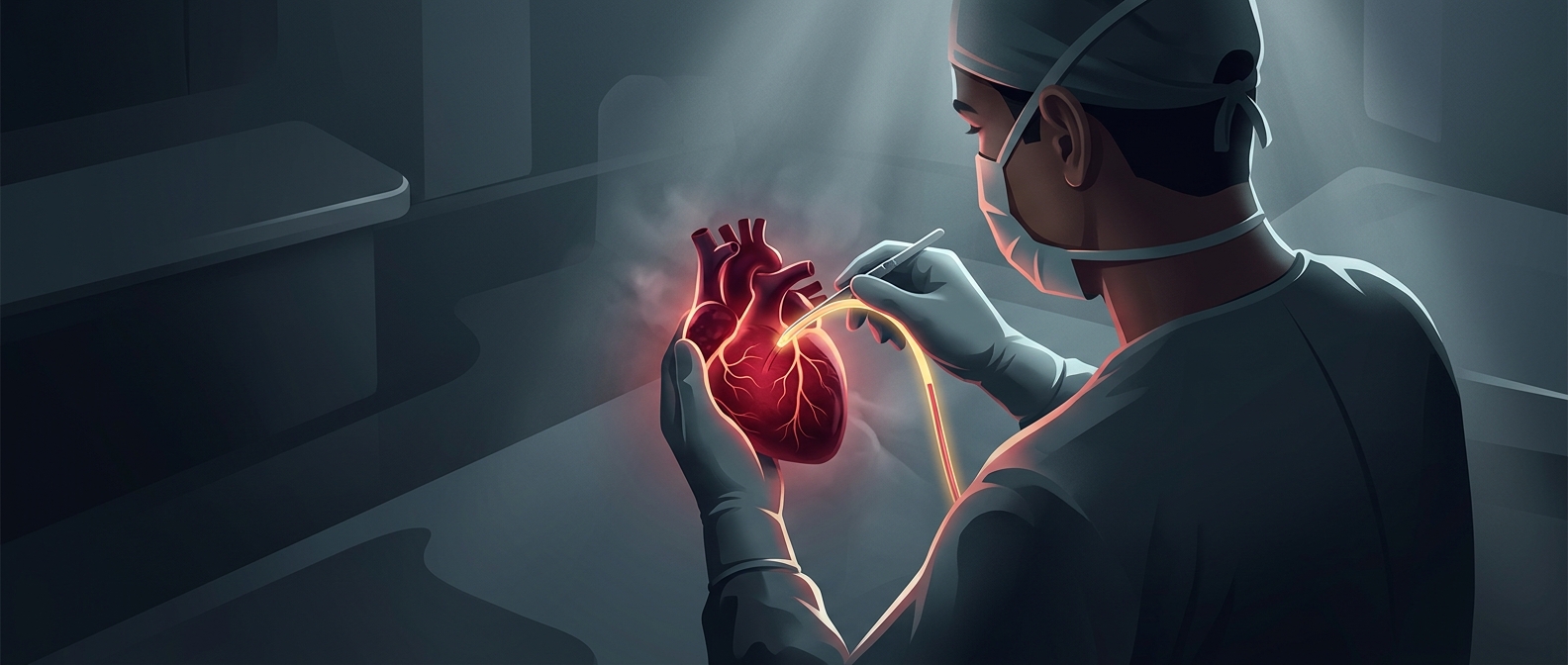
The heart sits inside the chest, but its right side is connected directly to the body’s veins. Blood returning from the arms flows through larger veins toward the heart and enters the right atrium, its upper-right chamber. Forssmann’s route followed that natural passage: a flexible catheter—a thin, hollow tube—could travel through a vein without cutting through the chest wall or stopping the heart.
That was the key change in perspective. At the time, reaching the heart was widely associated with dangerous open surgery. Forssmann’s experiment suggested that doctors might instead guide instruments through blood vessels and observe where they went using X-rays. The path was not risk-free: a catheter could injure a vessel, trigger an abnormal heartbeat, or introduce infection. But it offered a way to investigate the heart from within.
From daring experiment to medical tool
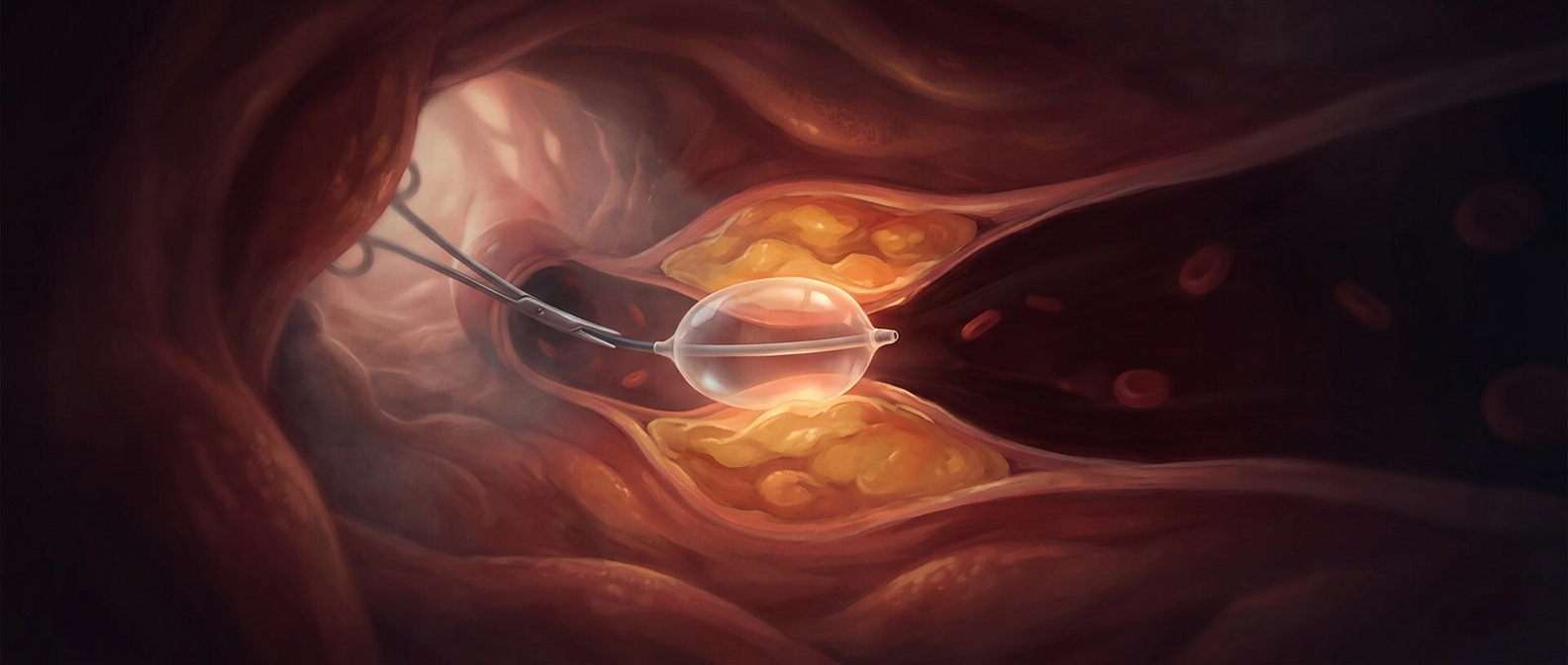
The early demonstration did not immediately become routine care. The method needed to be made safer and more useful, and later researchers developed heart catheterization into a way to measure pressures, collect blood samples, and study how blood moved through the heart and lungs. In some procedures, catheters also became a means of treatment, carrying devices or medication to a specific location.
The lasting insight was not simply that a tube could be pushed into the heart. It was that the circulatory system itself could serve as a route for examining an organ otherwise hidden behind bone and muscle. A path Forssmann tested on himself helped make the heart accessible without opening the chest.