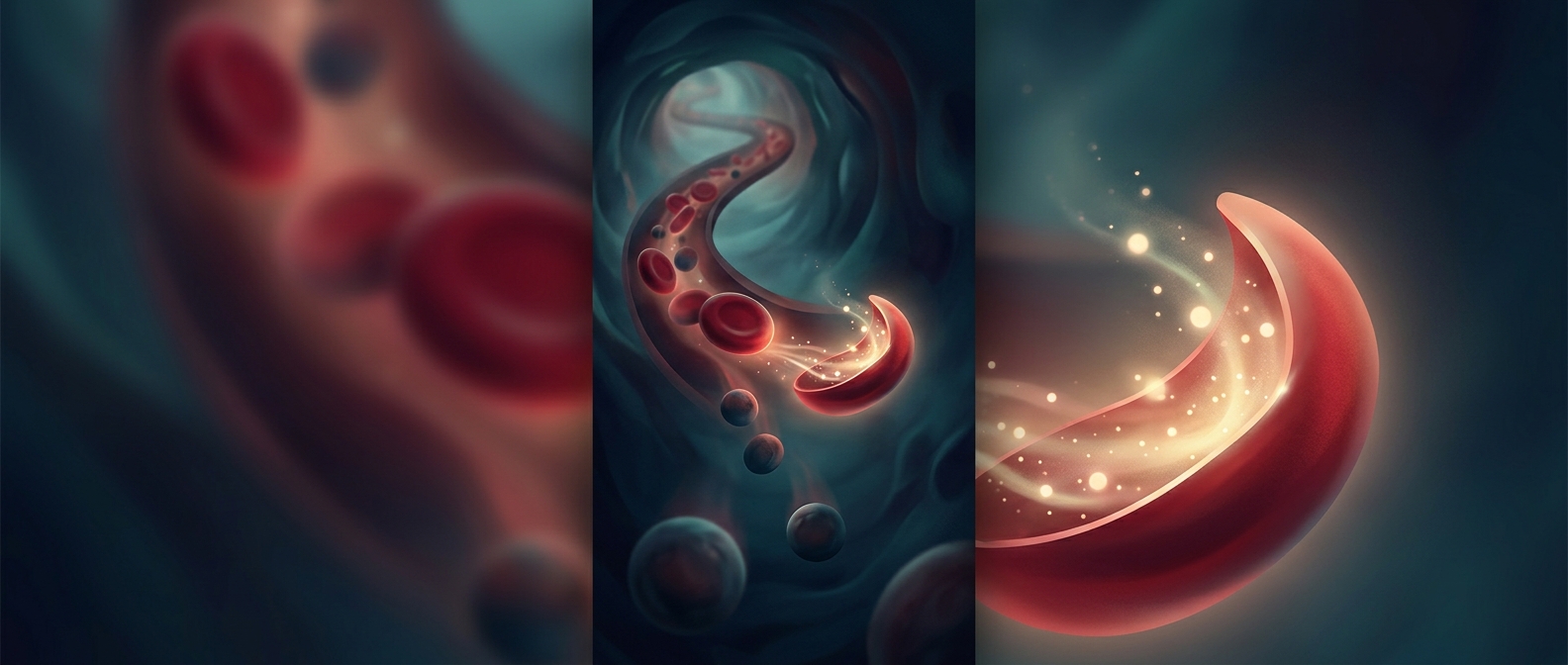
How one stem cell can change the mix of blood
Blood-forming stem cells in the bone marrow continually make new blood cells. If one acquires a mutation that gives it a modest growth advantage, its descendants can gradually make up a larger share of the blood. This expansion is called clonal hematopoiesis: “clonal” means the cells share one original ancestor. When it is found without an otherwise diagnosed blood cancer, it is often called CHIP, short for clonal hematopoiesis of indeterminate potential.
The mutation does not usually make every blood cell abnormal in an obvious way. A person may have no symptoms, and routine blood counts may not reveal the change. The concern is less that the clone is acting like leukemia and more that its cells may behave differently from ordinary immune cells.
The route from blood cells to artery plaque
Some mutated immune cells can produce stronger or more persistent inflammatory signals. These cells circulate through the body, including along artery walls, where plaque forms from a buildup of fats, cells, and other material. Inflammation can encourage plaque to grow and make it more likely to become unstable. If a plaque ruptures, a clot can block blood flow and cause a heart attack or stroke.
That is a contribution to risk, not a prediction that a person with CHIP will have a cardiac event. The mutation is one factor in a much larger process shaped by cholesterol, blood pressure, smoking, and other influences. The key distinction is that a change originating in blood-forming cells may affect the heart indirectly, through the immune system’s ongoing interaction with artery walls.