How a heartbeat becomes a coordinated squeeze
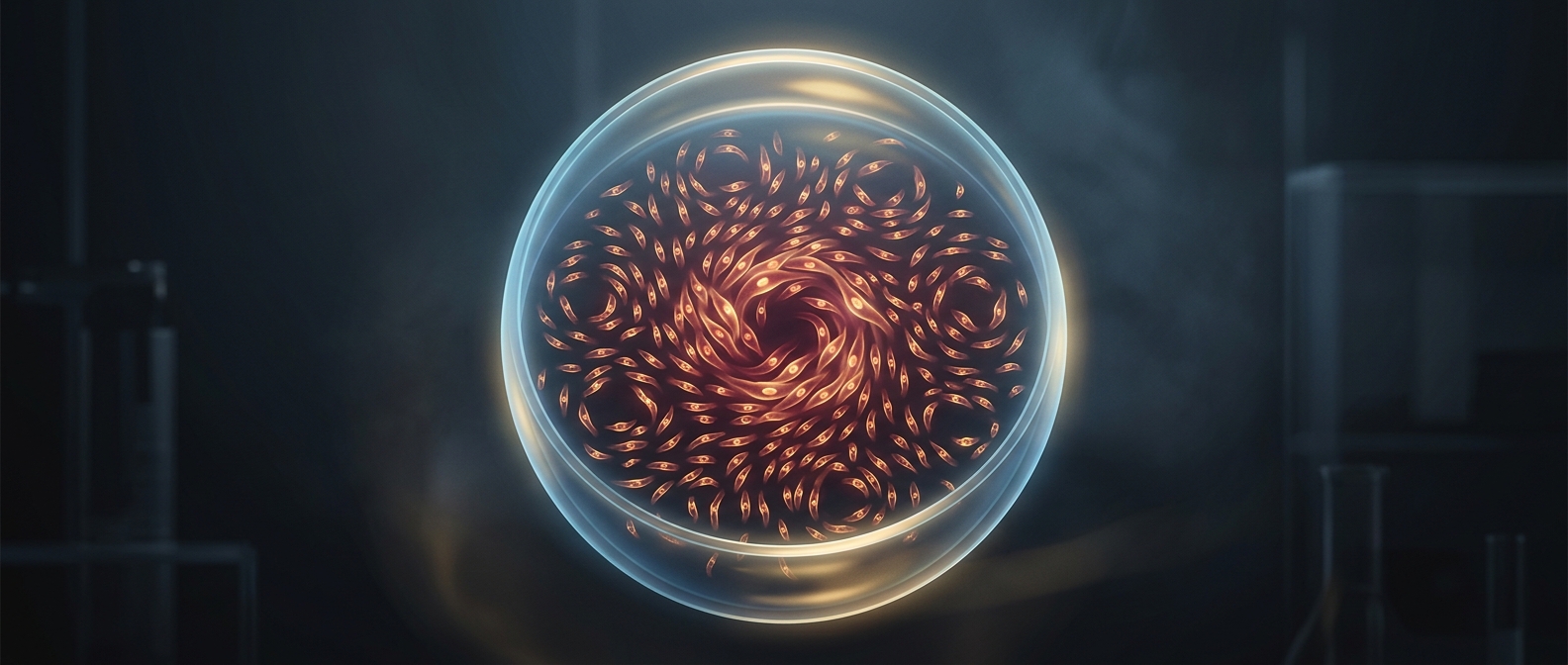
A heart cannot pump effectively if each muscle cell contracts on its own. Its billions of cells need to activate in a carefully timed wave, so the chambers squeeze in an organized sequence rather than twitching randomly.
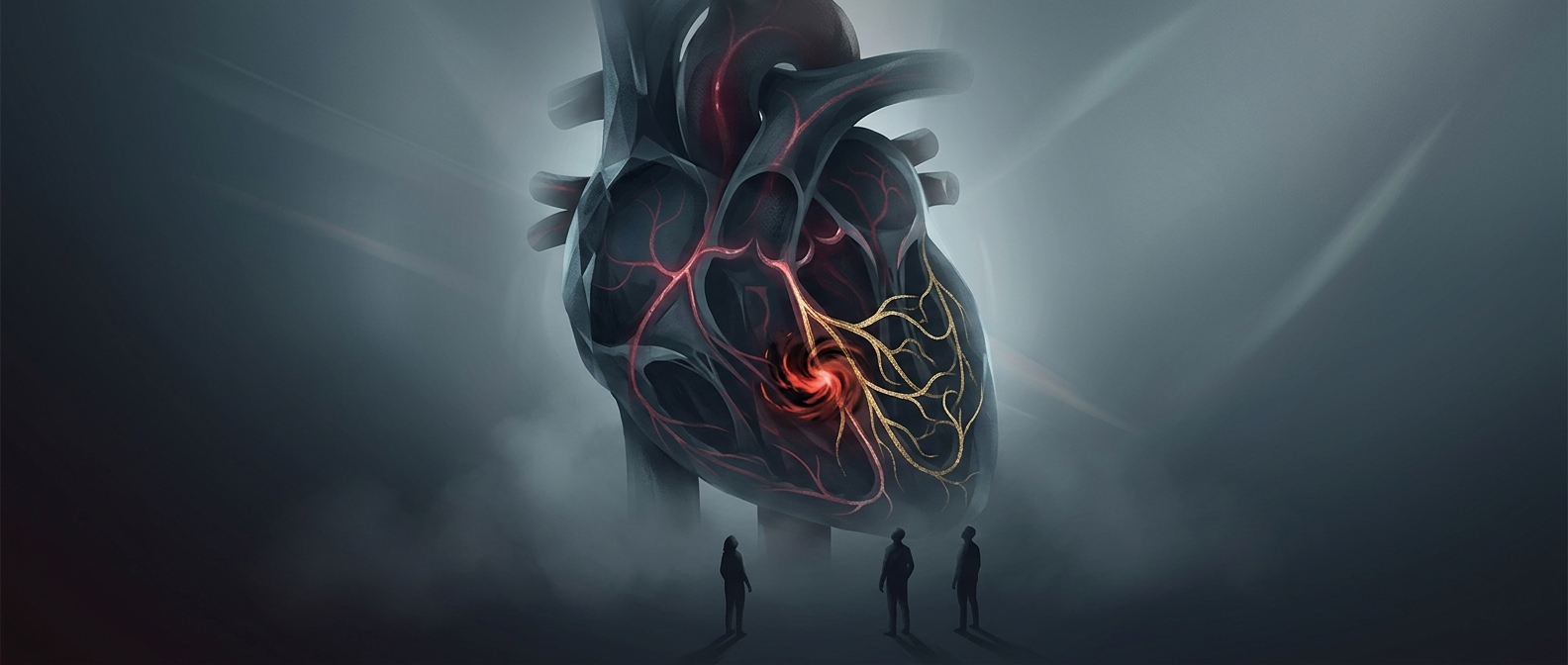
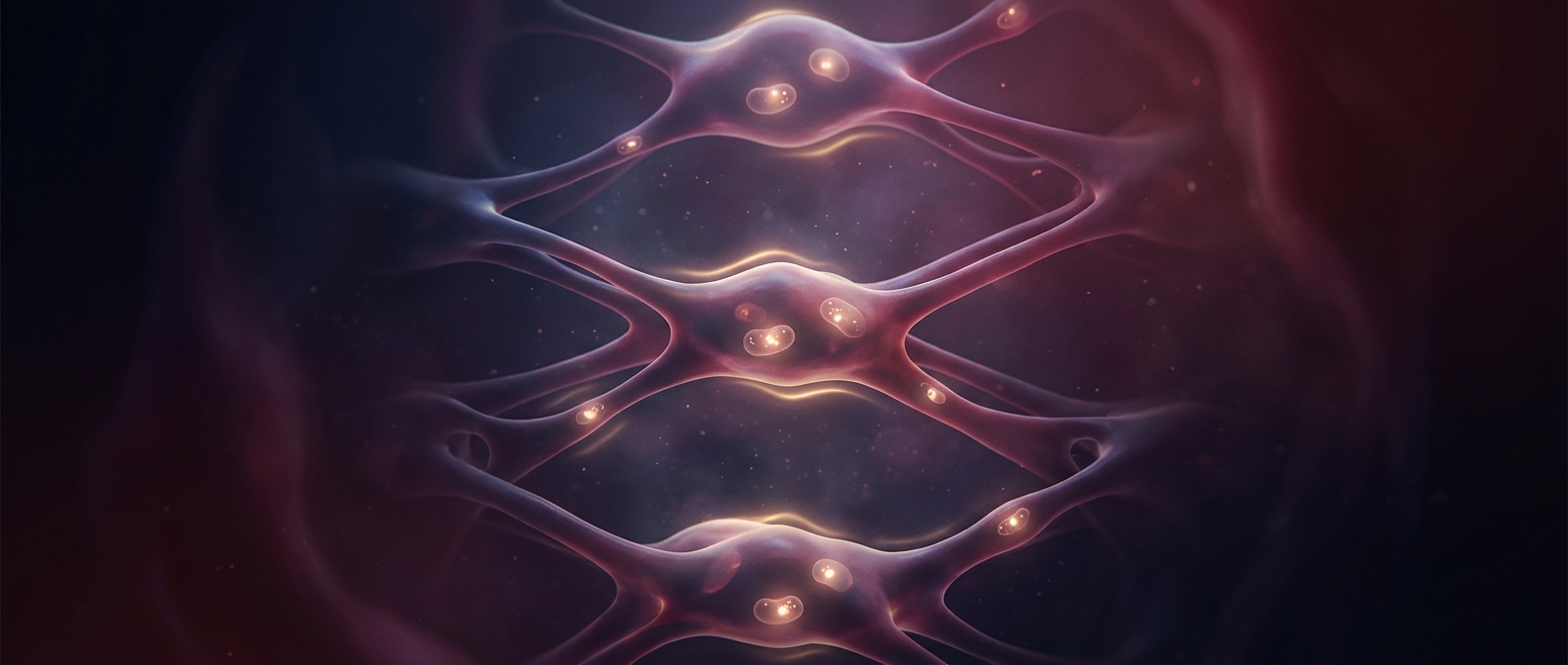
The timing begins in the heart’s electrical conduction system, which produces and routes signals through the heart muscle. When a signal reaches a muscle cell, it changes the electrical state of that cell’s membrane. The change can then pass directly into neighboring cells through gap junctions—tiny channels connecting the cells. This lets the signal spread across the tissue, recruiting more cells into the same wave of activation.
Why the connections matter
Once activated, heart muscle cells use calcium inside the cell to trigger contraction. Because the electrical wave travels through connected tissue, many cells contract close together in time. The result is a coordinated squeeze: the upper chambers help fill the lower chambers, and the lower chambers then push blood out to the lungs and the rest of the body.
The connections do not make every cell contract at precisely the same instant. Instead, they help the signal move in an orderly pattern, while the heart’s conduction system sets the route and pace. That coordination is what turns individual muscle cells into a pump: a useful heartbeat depends not just on the strength of each cell, but on the timing shared across the tissue.