The Heart’s Rhythm Starts in Specialized Cells
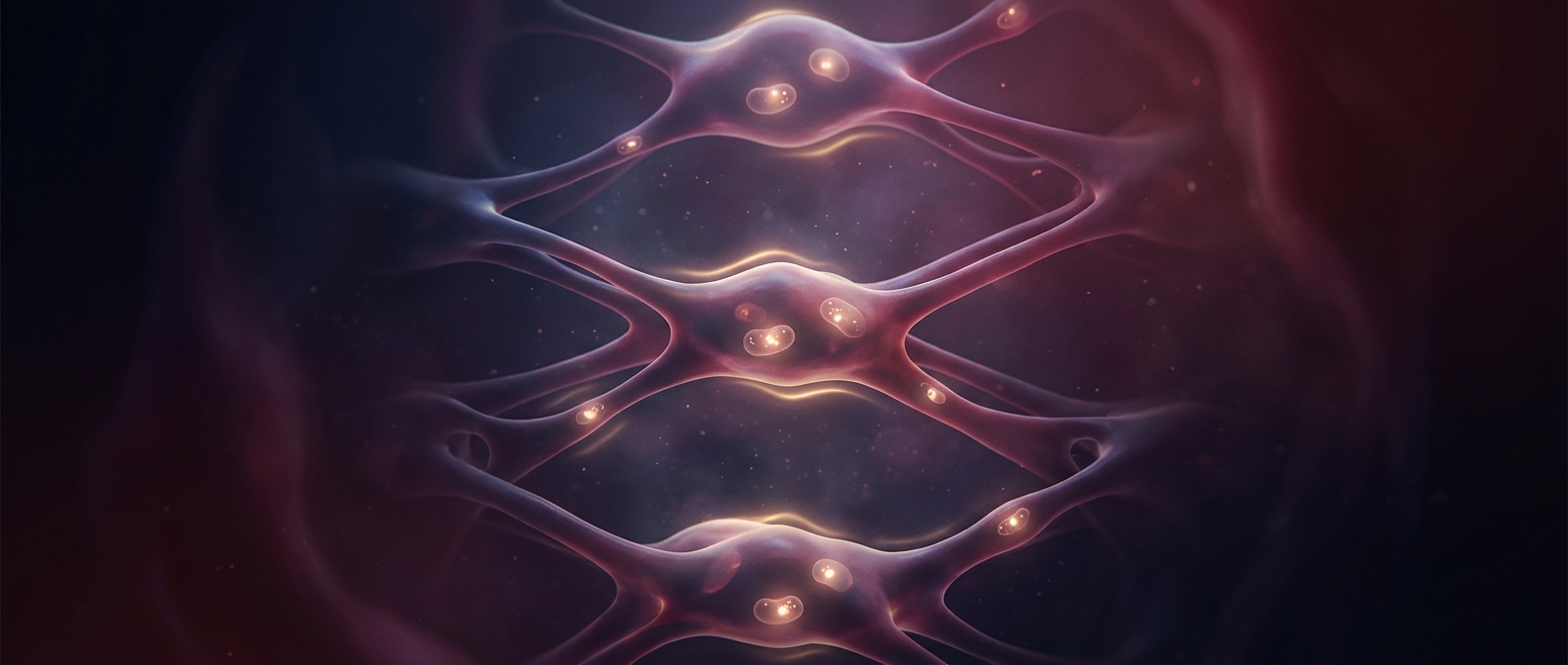
The heart does not wait for the brain to issue a command for every beat. In a healthy heart, the rhythm normally begins in a small group of specialized cells in the right atrium, the upper-right chamber. These pacemaker cells gradually build an electrical charge across their membranes until they trigger an impulse.
That charge comes from the movement of ions—electrically charged particles such as sodium, calcium, and potassium—through tiny channels in the cell membrane. Unlike most muscle cells, pacemaker cells can repeat this buildup on their own, creating a regular sequence of electrical signals.
How One Signal Reaches the Muscle
The impulse spreads through the heart’s conduction system and into neighboring muscle cells. Small connections between those cells let electrical activity pass from one to the next, coordinating their contraction. In the chambers, that coordinated squeeze moves blood onward; timing matters, because the upper chambers contract before the lower chambers pump.
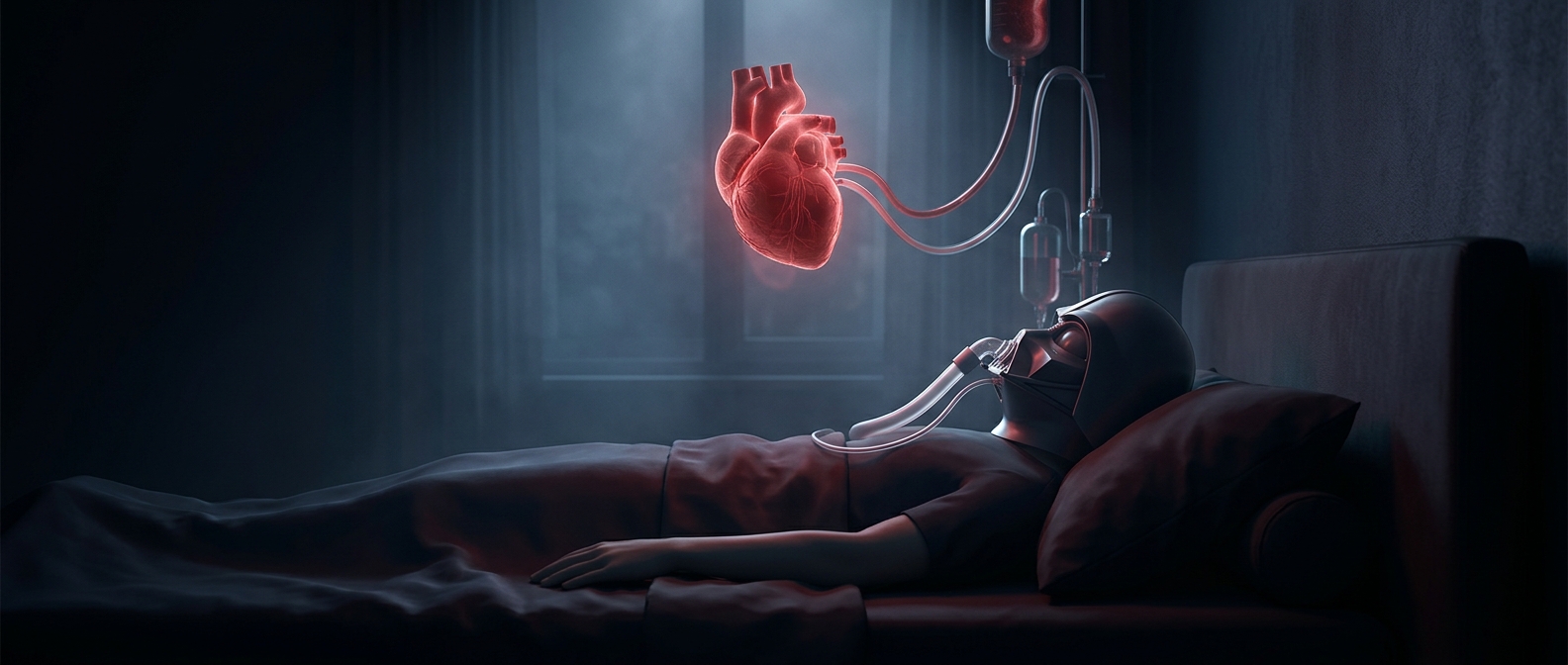
The brain and nerves still matter: they can speed up or slow down the heart in response to exercise, stress, or rest. But they adjust a rhythm the heart can generate locally rather than starting each beat from scratch.
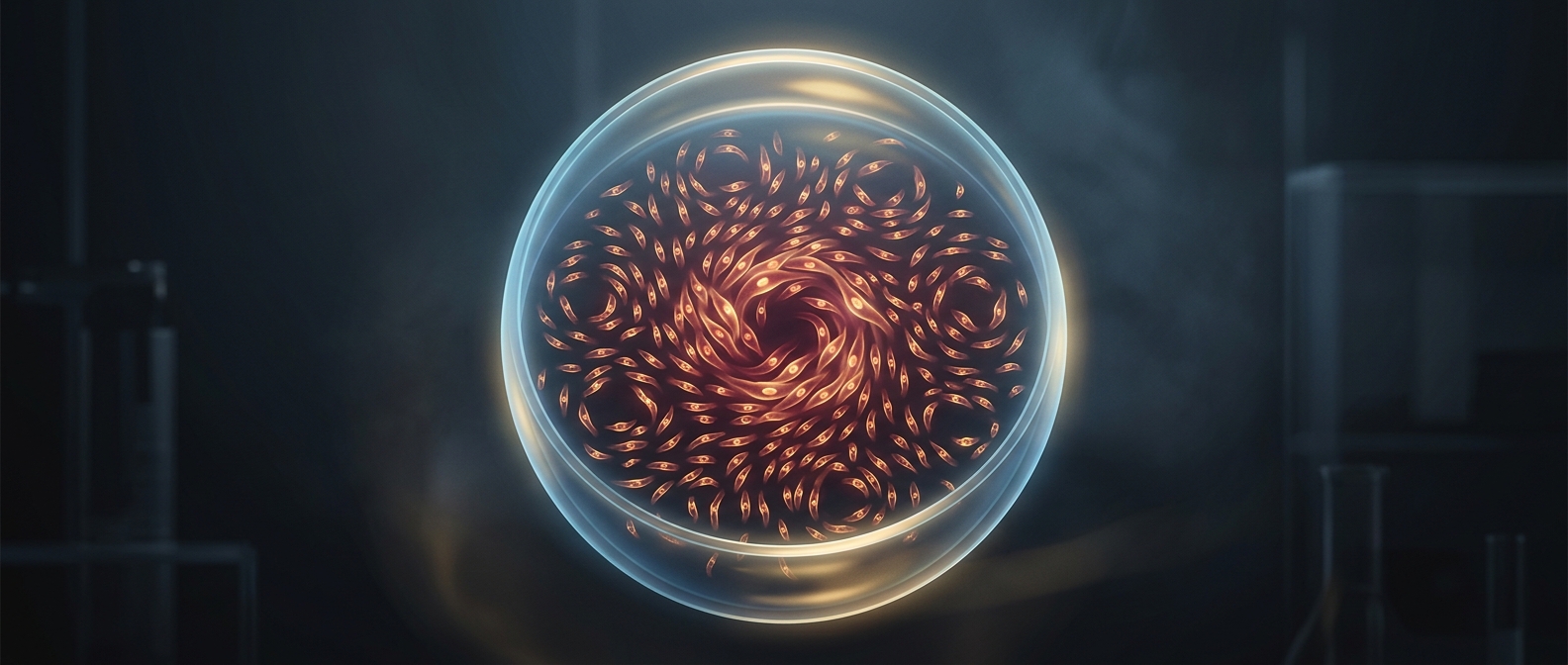
When heart cells are separated from the body, some can continue to produce spontaneous electrical activity and contract for a while, provided conditions support them. That persistence reveals a useful distinction: the nervous system helps tune the heartbeat, while the heart’s own cells supply the machinery that makes it possible.